
Denmark Open 2026: Kidambi Srikanth and Ashmita Chaliha Exit in the Round of 16
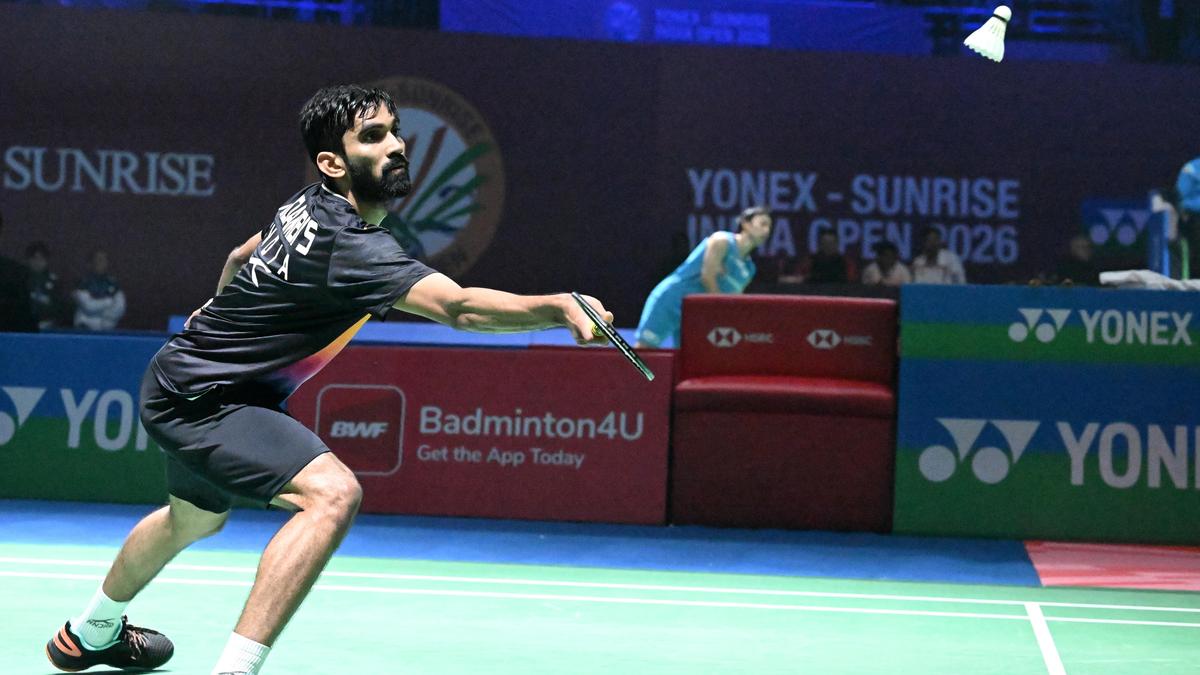
India’s campaign at the Denmark Open 2026 ended in disappointment for Kidambi Srikanth and Ashmita Chaliha, with both players falling at the round-of-16 stage at the SJF Bank Arena on Sunday. Srikanth pushed men’s singles seventh seed Alex Lanier to three games, but the Frenchman recovered from a slow start to win 11-21, 21-15, 21-15 in one hour and six minutes. Chaliha, meanwhile, was beaten in straight games by Japan’s third seed Akane Yamaguchi, losing 21-18, 21-10 in a 30-minute women’s singles match.
The results brought contrasting challenges into focus: Srikanth showed he could trouble a top opponent, but struggled to sustain his opening-game intensity, while Chaliha was unable to turn an early advantage into control of her contest. Both exits also underline the depth of competition on the international badminton circuit, where momentum can shift quickly against experienced, highly ranked players.
Srikanth starts strongly before Lanier takes control
World No. 31 Srikanth made an impressive start against Lanier, taking the opening game 21-11. The Indian played with purpose, found scoring opportunities and prevented the Frenchman from settling into his preferred rhythm. For a spell, Srikanth’s sharp start suggested he might be able to extend his run at the tournament and claim a place in the quarterfinals.
Lanier, however, responded with the composure expected of a world champion and a seeded contender. He tightened his game in the second game, reduced the errors and began to put Srikanth under greater pressure. The Frenchman claimed the game 21-15 to level the match, then carried that momentum into the decider. Srikanth was unable to regain the control he had shown early on, and Lanier closed out the contest by the same 21-15 margin.
The match lasted 66 minutes, making it a demanding test for both players. Srikanth’s first-game performance offered encouragement, but Lanier’s recovery showed how quickly a top-level opponent can adjust once a match begins to turn. In badminton, maintaining intensity across all three games is often as important as producing a strong opening, and the Frenchman managed that shift more effectively.
Lanier returns after his world-title triumph
The Denmark Open was Lanier’s first tournament since his victory at the 2026 World Championships in New Delhi. Returning to competition with a major title behind him, the seventh-seeded Frenchman faced a difficult opening challenge against a former world No. 1 who has extensive experience at the highest level. His ability to absorb Srikanth’s fast start and rebuild his momentum was a significant feature of the encounter.
For Srikanth, the defeat continues a challenging stretch at major events. He has not reached the quarterfinals in his last two competitions, exiting in the round of 32 in Finland before losing in the last 16 at the Asian Games. His strongest result of the season came at the US Open in June, where he finished runner-up to Chinese Taipei’s Su Li Yang.
That runner-up finish remains an important indication of Srikanth’s potential. The Denmark Open result, meanwhile, points to the challenge of turning promising spells into complete performances. Against Lanier, the Indian demonstrated that he could take the initiative, but the next step will be sustaining that pressure after an opponent adjusts. Consistency through the middle and closing stages of a match will be crucial as he looks to build another deep tournament run.
Chaliha unable to convert her early lead against Yamaguchi
In women’s singles, World No. 40 Ashmita Chaliha began with an encouraging burst against third seed Akane Yamaguchi. The Indian opened a 12-7 lead in the first game, putting the Japanese star under pressure and creating an opportunity to take the opening advantage. But Yamaguchi responded with a run of six consecutive points, turning the game around and shifting the momentum in her favour.
Yamaguchi eventually secured the first game 21-18. The narrow margin reflected how competitive the opening stage had been, but the Japanese player’s scoring run proved decisive. Once she had moved in front, she was able to dictate more of the exchanges and limit Chaliha’s opportunities to attack.
The second game was more one-sided. Yamaguchi raised her level and built a commanding 13-3 lead, leaving Chaliha with too much ground to make up. The Indian could not produce a sustained comeback, and the third seed completed the win 21-10. The match ended after 30 minutes, bringing Chaliha’s Denmark Open campaign to a close.
Chaliha’s early advantage in the first game showed that she could compete with a leading player, but Yamaguchi’s response highlighted the importance of protecting a lead against an opponent who is adept at changing the pace and direction of a match. For the Indian, the opening phase can provide useful confidence, while the experience may also offer lessons in managing momentum once an opponent begins to fight back.
What the results mean for India’s badminton campaign
With both Indians eliminated in the round of 16, the Denmark Open offered a mixed assessment of India’s singles challenge. Srikanth produced a strong opening game against the recently crowned world champion, while Chaliha showed early promise against one of the women’s draw’s top seeds. Neither was able to maintain that level long enough to secure a quarterfinal place.
The outcomes also illustrate the fine margins that shape elite badminton. A brief scoring run can transform a close game, as Yamaguchi’s six-point sequence demonstrated, while tactical adjustments can reverse a match, as Lanier’s recovery against Srikanth showed. For players aiming to progress deep into major tournaments, controlling those turning points is essential.
Although the exits will be frustrating, the performances provide clear reference points for the road ahead. Srikanth can take encouragement from his ability to dominate the opening game against a top-ranked opponent, while Chaliha can build on her early lead against Yamaguchi. Their next challenge will be converting those promising stretches into sustained pressure—and, ultimately, stronger results on the international badminton tour.