
Manchester United Crisis Deepens After Late Tottenham Equaliser
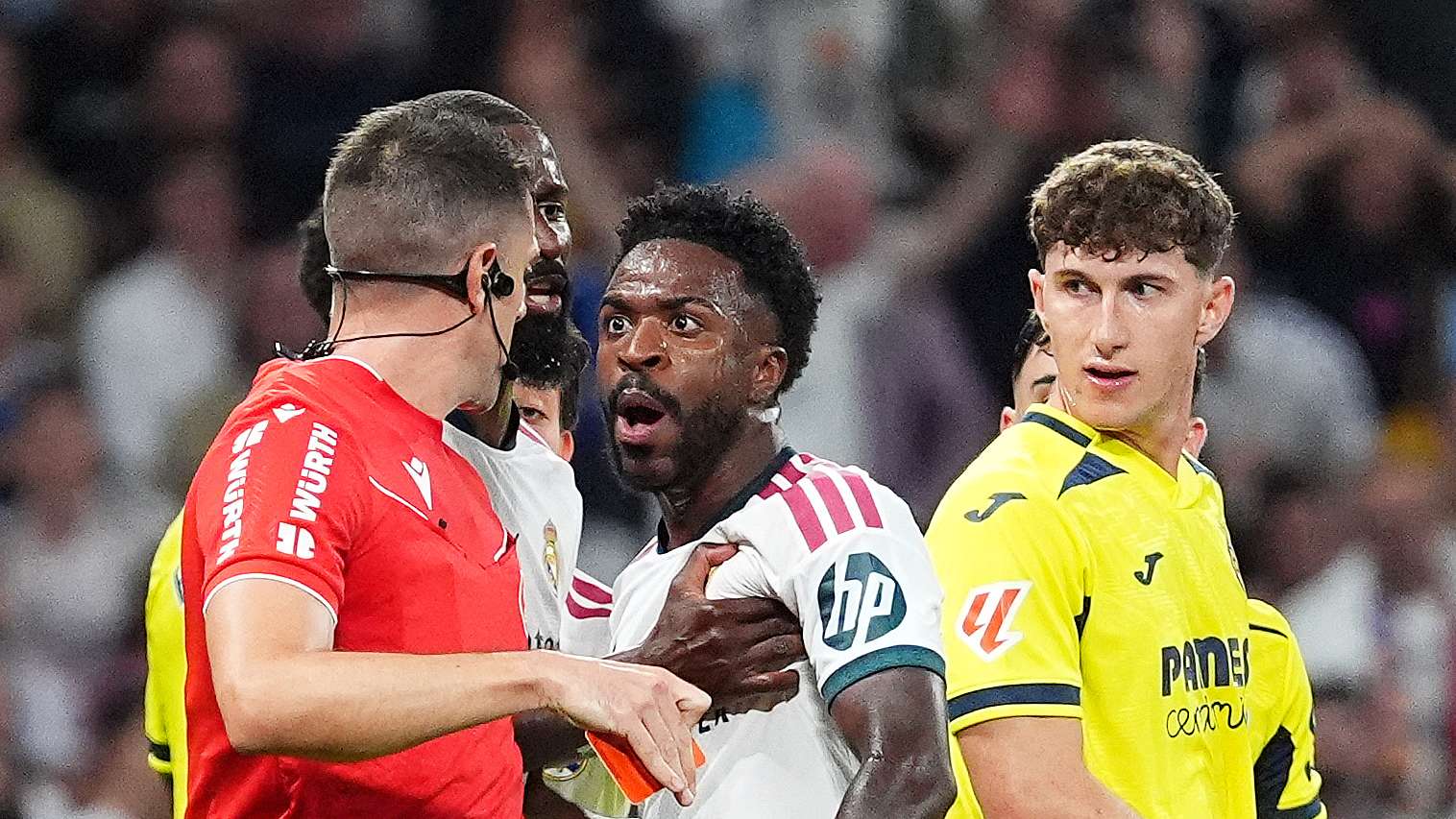
Manchester United’s difficult start to the season grew more troubling after a late Tottenham Hotspur goal denied them a much-needed Premier League victory. Bryan Mbeumo had put United ahead in the 73rd minute, and Tottenham were reduced to 10 men five minutes later when Rodrigo Bentancur was sent off for headbutting Luke Shaw. Yet the home side could not hold on: Dominic Solanke struck two minutes into stoppage time to secure a 1-1 draw.
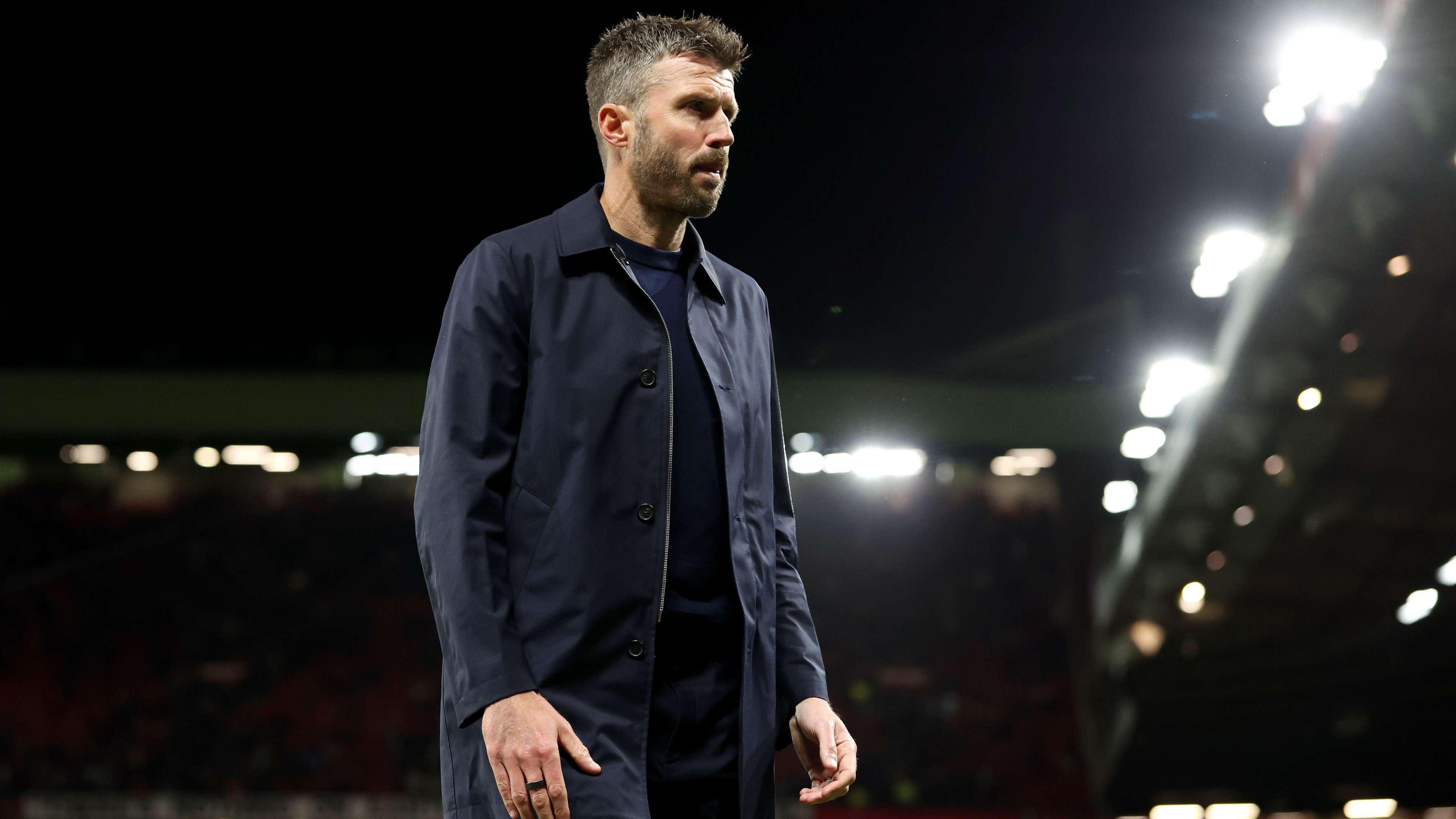
The result extended United’s winless run and left them searching for answers. With just six points from their opening six league matches, the Red Devils sit 12th in the table. It is the club’s worst start to a season in 40 years, intensifying scrutiny of manager Michael Carrick and raising questions about whether the team can regain consistency before the campaign slips further away.
Frustration at Old Trafford as United Let Another Chance Go
For much of the second half, United appeared to have created the conditions for a breakthrough. Mbeumo’s goal gave the hosts the lead, while Bentancur’s dismissal seemed to offer them a clear numerical advantage for the closing stages. Instead, Tottenham found a way back into the contest, exposing United’s ongoing difficulty in managing matches when the pressure is highest.
Solanke’s equaliser was especially damaging because it came so late, after United had been in position to claim all three points. The draw will feel less like progress than another missed opportunity for a side that needs wins to rebuild confidence. United have now failed to win any of their last three matches in which they had more players on the pitch than their opponents.
The mood among supporters reflected that disappointment. Fans booed the players at half-time and again after the final whistle, making clear their frustration with the performance and the result. Carrick acknowledged the reaction, saying that criticism can be understandable when results do not go to plan. He also admitted that the situation hurts, while stressing that the team must endure the difficult period and keep working.
Manchester United’s Season So Far: Results and Concerns
United’s problems extend beyond the latest Premier League setback. Across all competitions, they have gone four consecutive matches without a win, a run that includes elimination from the League Cup at the hands of Brighton & Hove Albion. Their only two victories in eight competitive games have come against newly promoted Ipswich Town in the league and Azerbaijani side FK Sabah in the Champions League.
Those results have sharpened questions about United’s attacking reliability, game management and ability to respond when an opponent changes the momentum. The Tottenham match offered a familiar pattern: United took the lead but could not control the closing minutes. Against a side playing with 10 men, the expectation was that they would protect their advantage more effectively. Instead, Tottenham’s late pressure produced the decisive moment.
For a club targeting a return to the top end of English and European football, the early standings are an uncomfortable measure of the challenge ahead. Six points from six league fixtures is not an insurmountable deficit, but United cannot afford to let the gap widen. Their next performances will matter not only for the table but also for confidence inside the dressing room and patience among supporters.
Does Michael Carrick Still Have the Board’s Support?
Despite growing speculation in England about a possible managerial change, Carrick is reportedly still trusted by the club’s leadership. That backing is significant given the scale of the poor start, although it does not remove the pressure to deliver a rapid improvement. At a club with United’s expectations, support for a manager is often closely linked to results, performances and signs that a clear plan is taking shape.
Carrick’s position is also shaped by the success of his earlier spell in charge. He initially stepped in as interim manager after Ruben Amorim was dismissed in mid-January. A strong second half of the previous season helped United finish third and secure Champions League qualification. In May, Carrick was appointed permanently and signed a contract running until 2028.
That recent achievement provides the manager with some credit, but the contrast between last season’s finish and the current campaign has made the downturn harder to explain. United’s leadership will be assessing whether the poor results are a temporary dip or evidence of deeper issues. The team’s response over the coming fixtures could therefore be as important as the points they collect.
Atletico Madrid Test Could Shape the Next Chapter
United’s next assignment is a Champions League trip to Atletico Madrid on Tuesday, a demanding test against one of Europe’s most experienced and disciplined sides. The fixture offers little time to recover from the Tottenham disappointment and will challenge United to show greater composure, particularly if the match becomes tight in the second half.
A positive result in Madrid could help restore belief and ease some of the immediate pressure. A poor performance, however, would deepen concerns about the team’s direction and increase attention on the manager’s future. For Carrick, the priority will be to turn frustration into a more organised display, with sharper decision-making and stronger concentration when defending a lead.
Manchester United Prediction: What Needs to Change?
Any football prediction about United’s near-term prospects must account for both their potential and their current inconsistency. The squad has shown it can produce strong spells, but recent matches suggest that scoring first is not enough. United need to manage possession more intelligently, defend late situations with greater discipline and make better use of numerical advantages.
The Tottenham draw is a warning rather than a season-defining verdict. There is still time for United to climb the Premier League table, but the margin for further setbacks is shrinking. If Carrick can restore confidence and turn promising moments into complete performances, the club may yet stabilise. If late concessions and missed opportunities continue, pressure from fans and media is likely to intensify—and the debate over the manager’s future will become harder to avoid.