
Cristiano Ronaldo Sends Support to Injured PSG Star Khvicha Kvaratskhelia
Cristiano Ronaldo has offered an encouraging message to Paris Saint-Germain winger Khvicha Kvaratskhelia after the Georgian international suffered a serious knee injury during a Champions League match against Barcelona. PSG confirmed that Kvaratskhelia tore the anterior cruciate ligament in his right knee, an injury that is expected to require surgery and a lengthy period of rehabilitation.
The setback threatens to keep one of PSG’s most influential attacking players out of action for months. As the club continues its push for domestic and European honours, Kvaratskhelia now faces the difficult work of recovery—away from the pitch and the spotlight. Ronaldo’s public words of support offered a reminder that elite footballers can draw strength from one another when a career is interrupted by injury.
Ronaldo’s message: “Your best days are still ahead”
Ronaldo responded to a post Kvaratskhelia shared on Instagram, writing with the perspective of a player who has experienced the physical and mental demands of a long career at the top level.
“The hardest battles in football are often the ones nobody sees,” Ronaldo wrote. He told Kvaratskhelia not to let a difficult moment make him question how far he could go, and urged him to hold on to the determination that had helped bring him success. Ronaldo ended with a hopeful reminder: the winger’s best days and achievements could still lie ahead.
The message resonated because an ACL injury is more than a medical diagnosis. Surgery, rehabilitation and the gradual return to competitive training can test a player’s patience and confidence. Even after the knee has healed, athletes typically need time to rebuild strength, sharpness and trust in their movements before returning to the intensity of top-level football.
A major setback for PSG and Kvaratskhelia
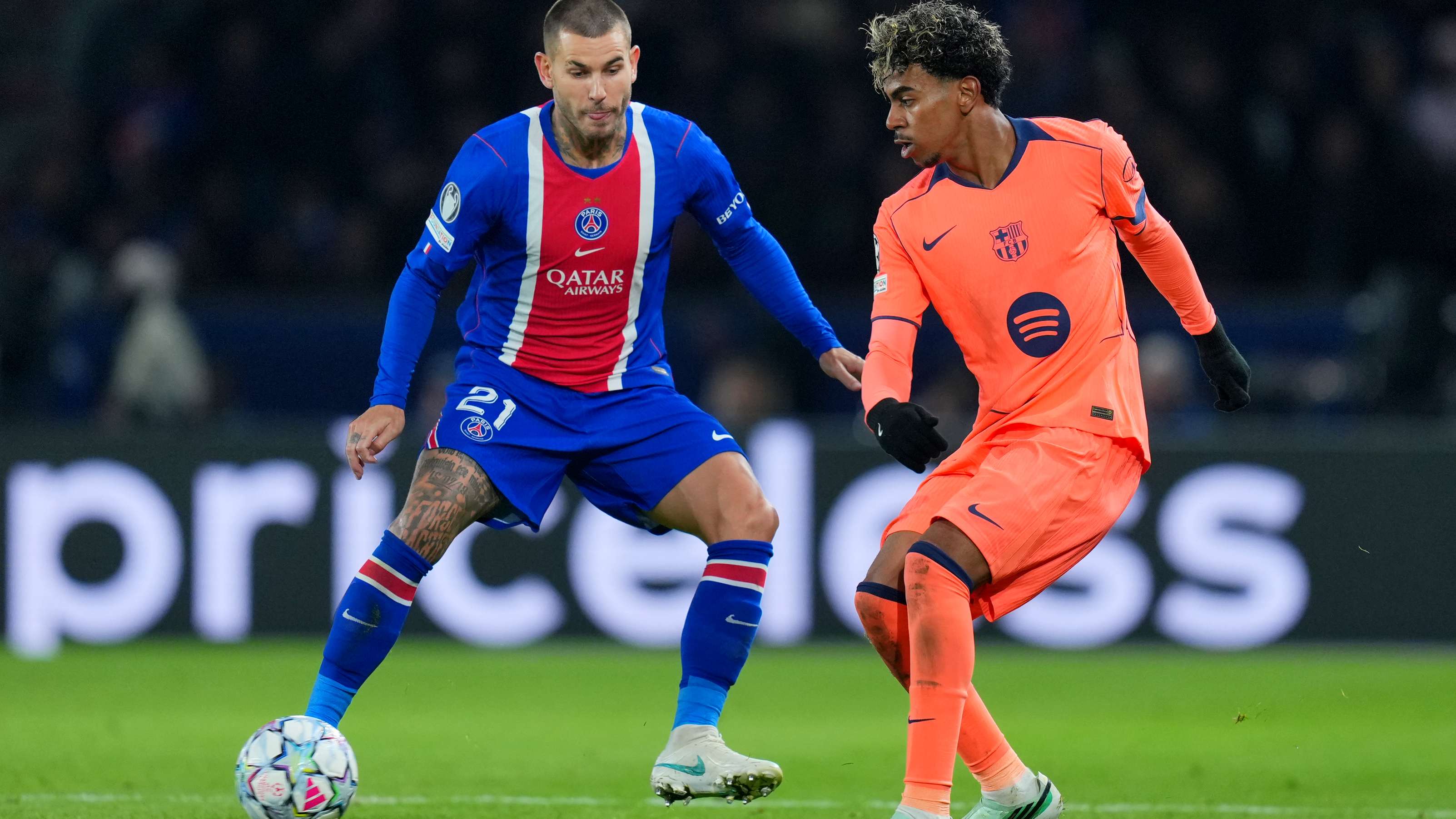
PSG confirmed the injury after its Champions League clash with Barcelona, which the French side won 4-2. The result was a significant one for the Parisians, but the loss of Kvaratskhelia has cast a shadow over the victory. His pace, close control and ability to create chances make him a valuable option in attack, particularly in matches where opponents defend deep or press aggressively.
His absence may also force PSG to adjust its forward line and share his responsibilities among other attackers. Replacing a winger’s contribution is rarely as simple as finding another player with similar qualities: a team may need to change its movement, passing patterns and approach to one-on-one situations. The coming weeks will show how the coaching staff responds while Kvaratskhelia begins treatment.
For the player himself, the immediate priority is recovery rather than setting a return date. The timeline for an ACL injury can vary depending on the severity of the damage, the treatment plan and how the athlete responds to rehabilitation. A careful, staged return is essential, since rushing back too soon can put additional strain on the injured knee.
Kvaratskhelia promises to fight through recovery
Kvaratskhelia also addressed the injury in an emotional Instagram post. He admitted that the news was difficult to accept, asking, “Why me specifically?” His words captured the shock many players feel when a major injury arrives without warning, especially during an important stretch of the season.
Despite the disappointment, the Georgian winger vowed to face the months of treatment and rehabilitation with determination. He promised to give everything he could to return stronger and thanked supporters who had reached out with messages of encouragement. That response matters: while rehabilitation is largely an individual process, support from teammates, family, fans and fellow professionals can help a player stay motivated during a long absence.
Ronaldo’s intervention added a high-profile voice to that support. It also carried a practical message for fans following Kvaratskhelia’s recovery: progress after a serious injury is often measured in small steps, not dramatic moments. Strengthening the knee, regaining mobility and rebuilding match fitness all take time, and setbacks during rehabilitation do not necessarily mean a player is moving backwards.
Ronaldo knows that football brings setbacks, too
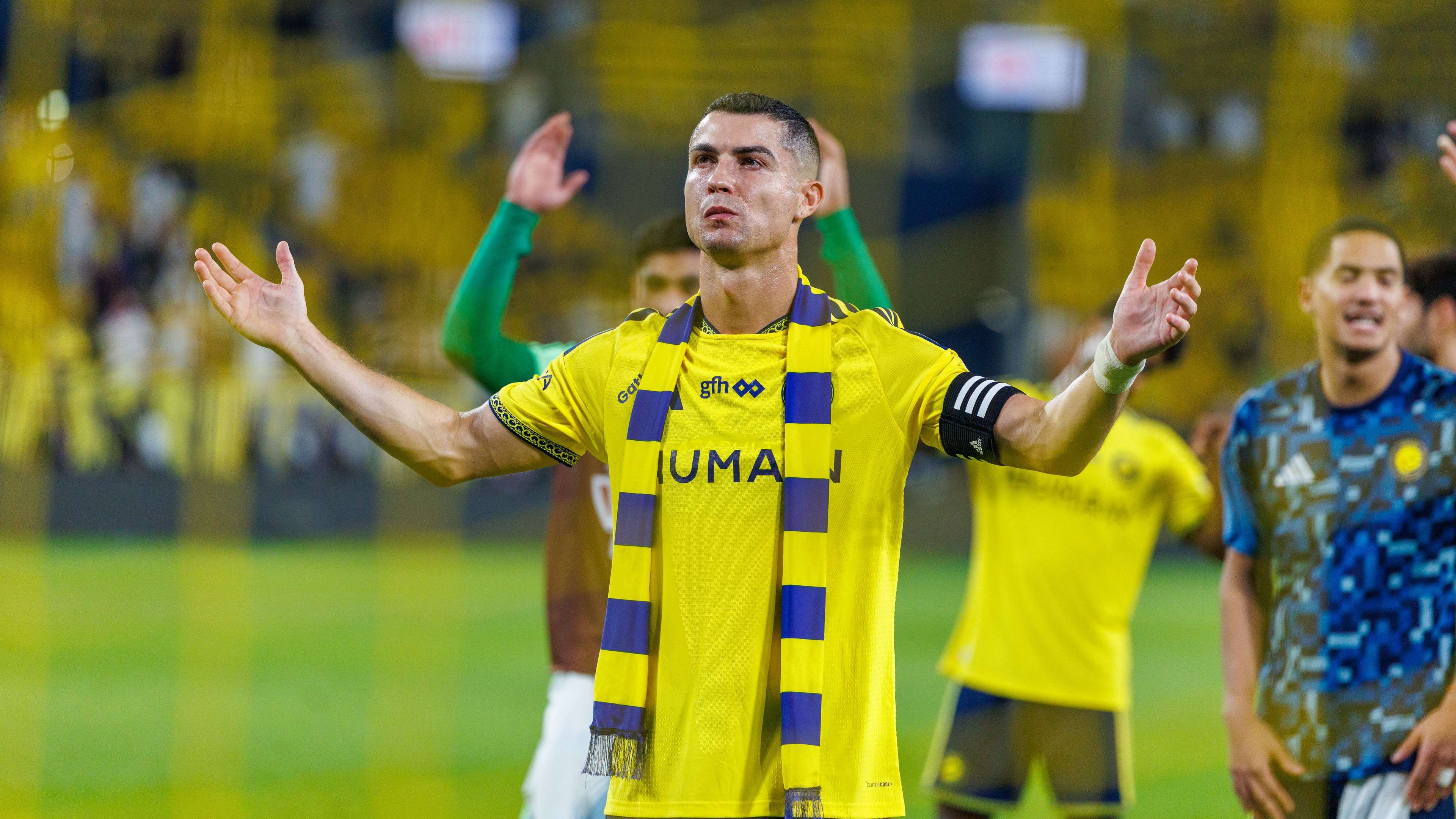
The timing of Ronaldo’s message was notable because the Al-Nassr captain had experienced a frustrating evening of his own. In a 1-0 Roshn League victory over Neom, Ronaldo missed a penalty in first-half stoppage time and then failed to convert a clear opportunity in front of an unguarded goal early in the second half.
Those chances could have brought him closer to the widely followed 1,000-goal milestone, but football rarely follows a script. João Félix eventually scored in the 61st minute to secure the only goal and give Al-Nassr three important points. Ronaldo’s missed opportunities were a reminder that even celebrated stars can have difficult spells, regardless of their achievements or experience.
That context gives his words to Kvaratskhelia added weight. Ronaldo was not speaking from a place where every moment goes perfectly; he was offering encouragement while dealing with his own disappointment. In elite football, resilience is required not only after major injuries but also after missed chances, losses and periods when a player’s performance falls short of expectations.
What the injury means for the season ahead
Kvaratskhelia’s absence is an important story for PSG supporters and anyone following the Champions League. His recovery could influence the club’s attacking options as the season develops, while the team’s ability to adapt will be tested in demanding domestic and European fixtures. For the winger, the challenge is to focus on each stage of rehabilitation rather than the pressure of an immediate comeback.
Ronaldo’s message offers no shortcut through that process, but it does provide encouragement from one of football’s most recognisable figures. Kvaratskhelia has acknowledged the difficulty ahead and committed himself to the work required. With surgery and rehabilitation to come, his path back will take patience, discipline and support—but the belief expressed by Ronaldo, and by the fans rallying around him, may help make that journey less isolating.
For now, the focus remains on recovery. PSG must find ways to cope without one of its key wingers, while Kvaratskhelia begins the long effort to return to the pitch. In a sport defined by results and prediction, his story is a reminder that some of football’s most important battles happen far from the stadium, one day of rehabilitation at a time.