
Unraveling the Dutch Disappointment: An In-Depth Analysis of the Netherlands’ Struggles Against Greece
The recent football match between the Netherlands and Greece has sent shockwaves through the football community, leaving fans and analysts alike questioning tactical decisions and player performances. The game, held in Thessaloniki, resulted in a surprising 2-0 defeat for the Dutch team, marking a disappointing chapter in their UEFA Nations League campaign. Renowned football commentator Wim Kieft and former stars like Rafael van der Vaart have voiced their critical insights, highlighting glaring issues that could impact the Netherlands’ future prediction prospects and overall team dynamics.
Early Woes and Tactical Concerns
From the outset, the Dutch team appeared disorganized and vulnerable, particularly in the first half. Fotis Ioannidis opened the scoring for Greece after just 23 minutes, igniting early fears among Netherlands supporters. Just before halftime, Giorgios Masouras doubled Greece’s lead, capitalizing on a careless turnover by Ruben van Bommel. The halftime scoreline of 2-0 painted a grim picture for the visitors, with many questioning the tactical approach employed by head coach Xavi Hernández.
Wim Kieft Criticizes Xavi’s Tactical Setup
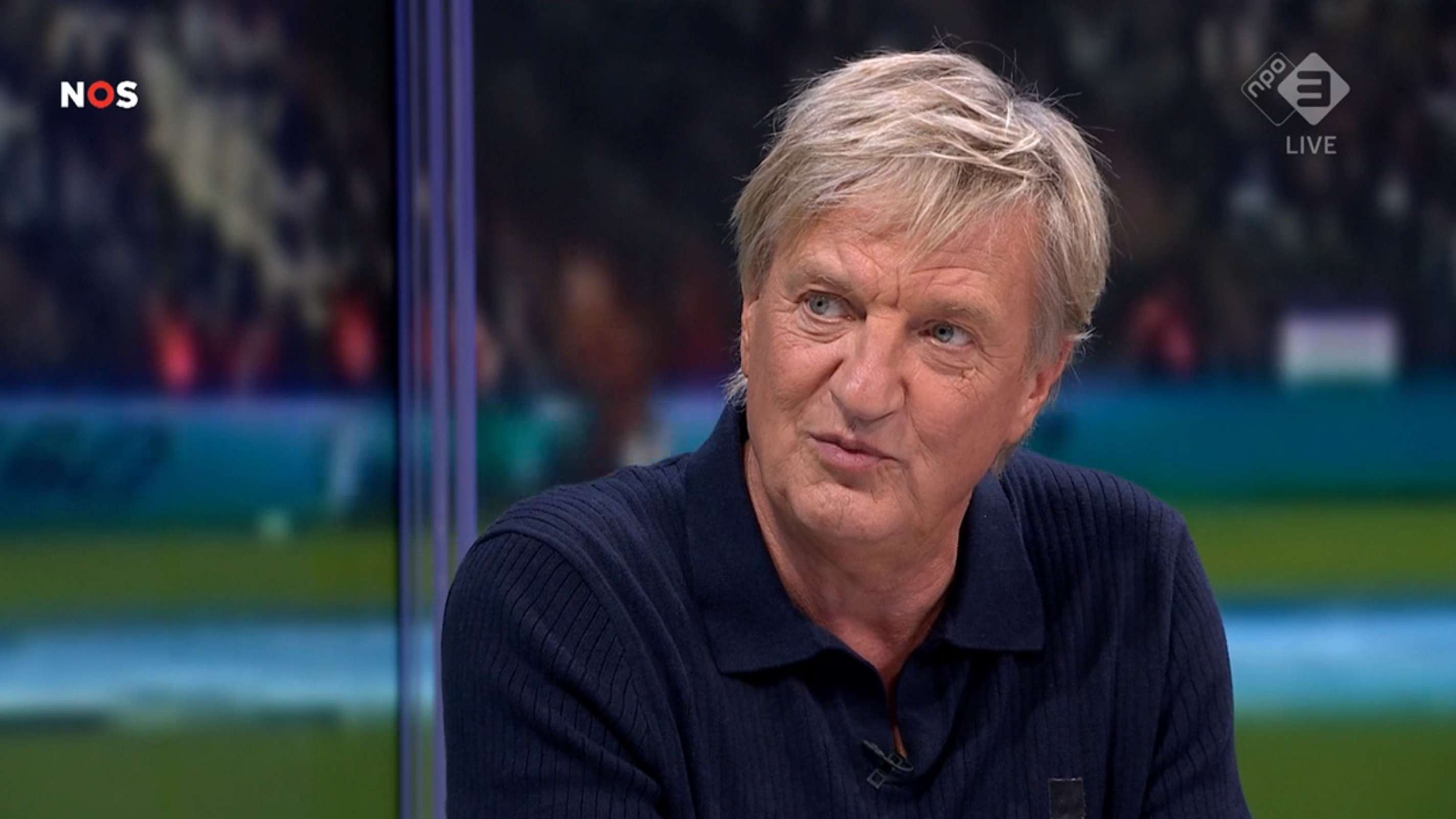
During the halftime analysis on NOS, Wim Kieft, a former Dutch striker and football pundit, expressed his confusion and disappointment with the tactical setup. He focused particularly on the positioning of Denzel Dumfries, the Netherlands’ right-back, which he perceives as fundamentally flawed. Kieft questioned how Xavi Hernández could set up the team in a way that leaves the right flank exposed and ineffective.
“I do not understand Dumfries’s position at all,” Kieft remarked. “When we have possession, he is already standing incredibly deep. That not only hampers his own ability to contribute offensively but also takes Crysencio Summerville out of the game entirely.” This misalignment, according to Kieft, restricts the Netherlands’ attacking options and creates defensive vulnerabilities.
Furthermore, Kieft emphasized that Dumfries’s role seems to be counterproductive, as it prevents several Dutch players from showcasing their talents. “He is playing himself out of the game because of that, but he is also playing Summerville out of the game,” Kieft added. “I also do not understand how coach Xavi does not realize that this setup isn’t working.”
Disarray and Lack of Organization
Rafael van der Vaart, another football legend and analyst, echoed similar sentiments, criticizing the Netherlands’ lack of tactical coherence. “I have to say honestly: I think this is such a terribly hopeless first half,” Van der Vaart stated. He described the Dutch players as appearing completely disorganized and confused on the pitch, a stark contrast to the disciplined teams expected at this level.
He further elaborated, “Everyone is walking around confused. If you walked around like that in Amsterdam, they would call the police because confused people were walking the streets. It really is not normal; everyone is just doing whatever they want.” This chaos on the field severely undermines the team’s ability to implement a cohesive game plan, making prediction models for their upcoming matches much more difficult.
Defensive Errors and Leadership Criticism
Adding to the concerns, Van der Vaart pointed out specific defensive lapses, notably involving captain Virgil van Dijk. The Liverpool defender, considered one of the best in the world, was criticized for his inability to judge the threat early enough, which contributed to Ioannidis’s opener. Van der Vaart highlighted the importance of leadership in such moments, stating, “Van Dijk has to judge that much earlier, and then Van de Ven goes with him automatically. Actually, everyone is making an error of judgment here.”
Kieft, reflecting on the collective accountability, argued that more should be expected from experienced players like Van Dijk. “They are still fairly big players in terms of name and experience. Then you have to sense and judge what is going to happen,” he asserted. Such errors not only compromise team stability but also cast doubt over the Netherlands’ potential predictions for upcoming fixtures.
Implications for the Netherlands’ Football Prediction and Future Prospects
The recent performance raises important questions about the Netherlands’ strategic approach and their ability to bounce back in future matches. For bettors and football enthusiasts relying on prediction models, this game serves as a reminder of how tactical miscalculations and individual errors can drastically influence outcomes. As the team prepares for upcoming fixtures, analysts will be scrutinizing whether Xavi Hernández can adjust his tactics and whether players like Dumfries and Van Dijk can realign their roles to improve performance.
From an SEO perspective, understanding these tactical nuances is vital for football prediction enthusiasts and sports analysts. Accurate predictions depend heavily on assessing team form, tactical setups, and individual player performances—elements that were clearly lacking in this match.
Looking Ahead: What Needs to Change?
For the Netherlands to restore their reputation and improve their prediction success rates, several adjustments are necessary. Firstly, tactical flexibility is paramount. Xavi Hernández must revisit his formation, especially addressing the right flank issues caused by Dumfries’s positioning, which appears to hinder both offensive and defensive stability.
Secondly, leadership on the pitch must be reinforced. Experienced players like Van Dijk need to step up, demonstrating better judgment and organization to guide the team through challenging moments. Additionally, increased tactical communication and cohesion among players can prevent the chaos that characterized the first half in Thessaloniki.
Finally, coaching staff should focus on adapting strategies that maximize individual strengths while minimizing vulnerabilities. This includes better positional awareness, quick decision-making, and understanding when to shift formations based on game flow. Such improvements will not only enhance team performance but also bolster the accuracy of football predictions for future matches.
Conclusion: Lessons from a Disappointing Performance
The Netherlands’ defeat against Greece serves as a stark reminder of how tactical mistakes and lack of discipline can derail even a talented team’s efforts. For football prediction models, this game underscores the importance of considering tactical setups, player roles, and leadership qualities. As the team looks to recover and rebuild, fans and analysts alike will be watching closely to see if they can learn from these mistakes and turn their fortunes around in upcoming fixtures.
In the world of football prediction, such matches highlight the unpredictable nature of the sport—reminding us that even the most experienced teams can falter without proper tactical discipline and leadership. The key for the Netherlands moving forward is to analyze these shortcomings thoroughly and adapt swiftly, ensuring that future predictions become more accurate and reflective of the team’s true potential.