
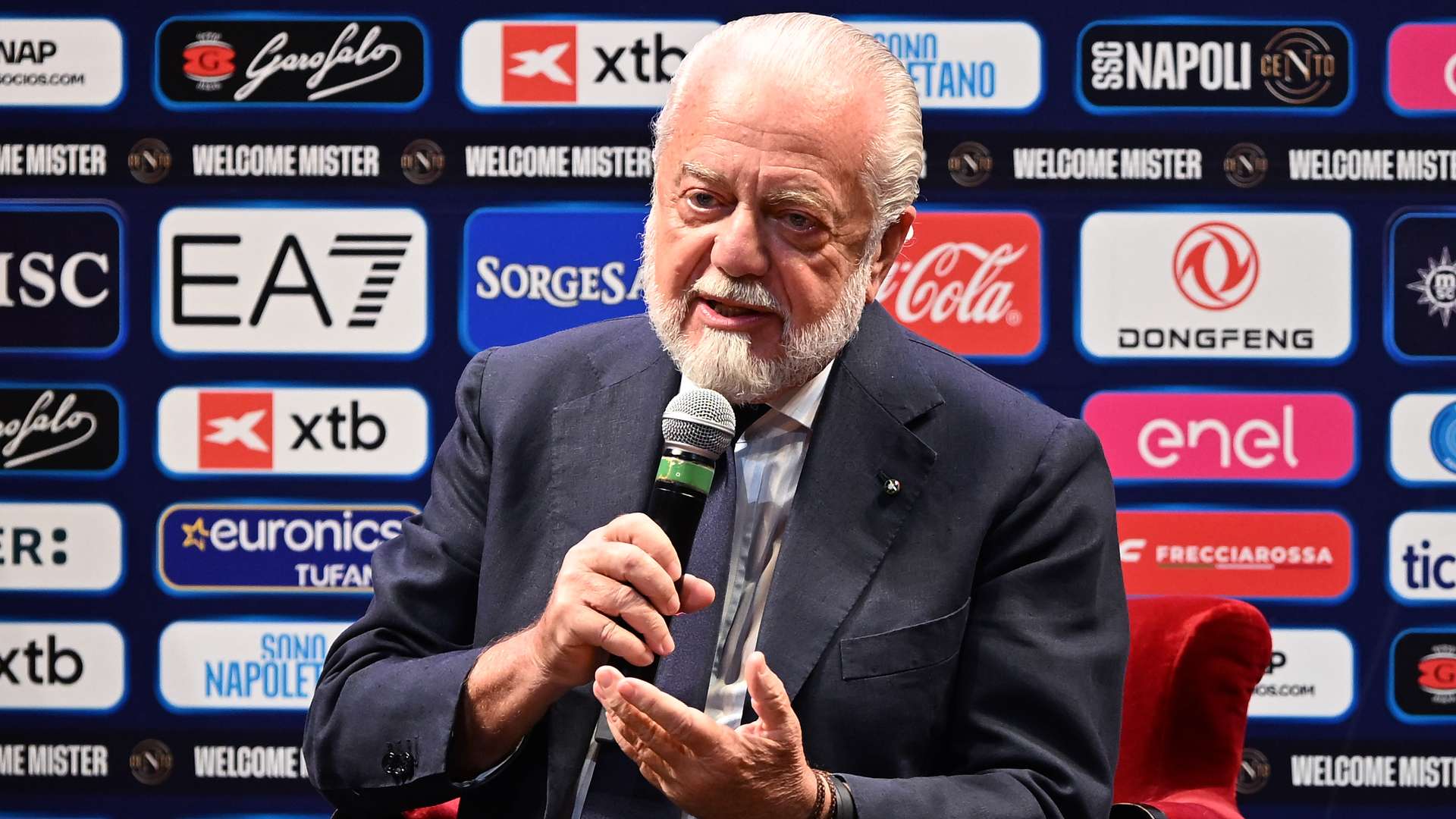

Napoli Owner Aurelio De Laurentiis Unveils Bold Vision for the Future of Football and Entertainment
In a compelling address to industry insiders and football enthusiasts, Napoli’s charismatic owner, Aurelio De Laurentiis, has once again set the stage for a potential revolution within the world of football broadcasting. Speaking at the prestigious TEHA Club in Rome, De Laurentiis shared his ambitious ideas for reshaping how football is experienced by fans and viewers worldwide, intertwining his lifelong passions for cinema and the beautiful game.
Revolutionizing Football: A Vision Rooted in Innovation and Provocation
De Laurentiis, renowned for his outspoken nature and visionary outlook, did not shy away from provocative statements during his speech. He emphasized the pressing need for change in the way football content is delivered, highlighting the current limitations faced by broadcasters, fans, and even clubs themselves. His remarks, as reported by Calcio e Finanza, reflect a desire to challenge the status quo and introduce disruptive innovations that could redefine sports entertainment.
“Football has become a commodity, and the way we consume it needs to evolve,” De Laurentiis asserted. “We must explore new models that put fans at the heart of the experience, making it more immersive, interactive, and accessible.”
Bridging Cinema and Football: A Personal Passion and Industry Innovation
De Laurentiis’s background in cinema—where he achieved notable success—fuels his desire to bring cinematic storytelling to football. He envisions a future where matches are not just live events but cinematic experiences that immerse viewers in a narrative universe, blending sports with entertainment in a seamless manner.
This approach could involve advanced technologies such as virtual reality (VR), augmented reality (AR), and 360-degree streaming, offering fans an unprecedented level of engagement. Imagine watching a Champions League clash from the perspective of a player on the pitch or experiencing key moments from multiple angles—these are the kinds of innovations De Laurentiis advocates for.
The Challenges and Opportunities in Football Broadcast Innovation
While De Laurentiis’s ideas are inspiring, they also come with significant hurdles. The current football broadcasting model is deeply entrenched, with rights deals, traditional media partnerships, and technological infrastructure posing obstacles to rapid change. Additionally, the global nature of football means that any new broadcasting approach must cater to diverse markets, languages, and cultural preferences.
Nevertheless, the potential benefits are enormous. Enhanced viewer engagement could translate into higher revenues, increased fan loyalty, and a more vibrant football ecosystem. For clubs like Napoli, pioneering such innovations can serve as a competitive advantage, positioning them as forward-thinking leaders in the sport’s evolving landscape.
Implications for Prediction Markets and Fan Engagement Strategies
The revolution De Laurentiis envisions also intersects with emerging trends in football prediction and fan participation. As technology enables more interactive viewing experiences, there is a growing interest in prediction markets—platforms where fans can bet on match outcomes or specific events within a game. Integrating these prediction elements into innovative broadcasting could further boost engagement and generate new revenue streams.
For example, viewers could participate in real-time predictions during matches, with their insights influencing or enhancing the viewing experience. Such features could foster a deeper connection between fans and the sport, transforming passive spectators into active participants.
The Broader Impact on Football’s Commercial Landscape
De Laurentiis’s push for a revolution in football entertainment also reflects broader trends within the industry. As traditional revenue sources like TV rights face volatility, clubs and broadcasters are increasingly exploring direct-to-consumer models, digital streaming, and immersive content. The Italian football scene, with its passionate fanbase and competitive clubs, stands to benefit significantly from embracing these innovations.
Moreover, this shift could influence global markets, encouraging other leagues and federations to adopt similar strategies. The goal is to make football not just a sport but a comprehensive entertainment experience that appeals to a wider audience, including younger generations accustomed to digital interactivity.
Looking Ahead: The Future of Football Prediction and Entertainment
While De Laurentiis’s ideas are still in the conceptual stage, their potential to reshape the future of football is undeniable. The fusion of cinema technology, interactive platforms, and innovative broadcasting techniques promises a more personalized and engaging experience for fans worldwide.
As the industry watches closely, the question remains: will these revolutionary ideas materialize into widespread change, or will they serve as a catalyst for ongoing debate about the best way to serve the global football community? Regardless, the bold vision articulated by Napoli’s owner underscores a pivotal moment in the sport’s history—one where innovation could redefine the relationship between fans, clubs, and the game itself.
Conclusion: A New Era for Football Prediction and Fan Engagement
In conclusion, Aurelio De Laurentiis’s recent remarks highlight his unwavering commitment to transforming football entertainment through technological innovation and creative storytelling. His proposal to revolutionize how football is broadcast and experienced is not only a reflection of his entrepreneurial spirit but also an invitation for the industry to rethink its approach to prediction, engagement, and monetization.
As football continues to evolve in the digital age, the ideas shared at the TEHA Club could serve as a catalyst for a new era—one where prediction markets, immersive viewing, and fan-centric content become the norm rather than the exception. For supporters, broadcasters, and clubs alike, embracing these changes could unlock unprecedented opportunities to deepen their connection with the sport and its global community.