
Spanish Football Mourns Tenerife Striker Jesús de Miguel Alameda at 30
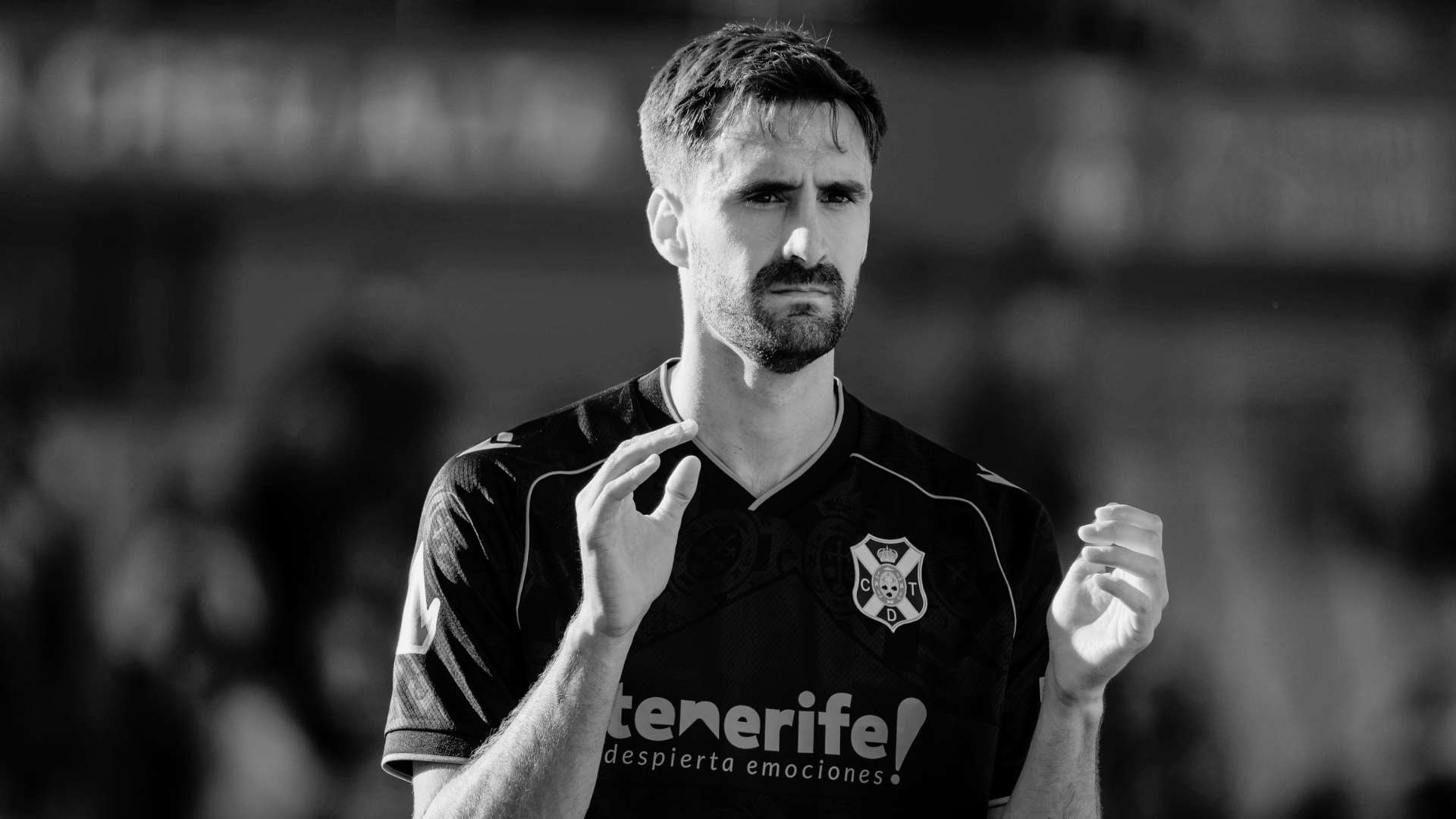
Spanish football is grieving the death of Tenerife striker Jesús de Miguel Alameda, who died at the age of 30 after suffering a severe injury during a match against Andorra. The tragedy has left his club, supporters and the wider football community in shock, while prompting renewed attention to the risks players face during high-speed collisions on the pitch.
Tenerife confirmed the news on Tuesday morning, bringing an end to an urgent effort to save the forward after he was injured late in the game at the Heliodoro Rodríguez López stadium. In a statement, the club expressed its profound sorrow and solidarity with de Miguel’s family, friends, teammates and supporters.
“We are shattered by the intensity of the pain, our tongues are tied by the shock, and we cannot believe that this is real,” the club said, describing the loss as devastating. Tenerife added that there were no words capable of easing the grief and said it stood alongside everyone mourning the player.
How the fatal collision unfolded
The incident occurred during added time, as de Miguel moved forward from around the halfway line to lead a counterattack. Andorra goalkeeper Jesús Owono came out of his penalty area to challenge for the ball. The two players collided, and Owono’s knee struck de Miguel in the chest and face.
De Miguel fell unconscious, immediately alarming players from both sides. Footballers waved urgently for medical assistance as the match stopped and medical staff rushed onto the field. The response was swift, but the seriousness of the situation was apparent as the forward received treatment on the pitch for several minutes.
He was eventually carried away on a stretcher and transferred by ambulance to the Nuestra Señora de Candelaria University Hospital. During the journey, he suffered cardiac and respiratory arrest. Medical crews managed to restore his pulse, but he remained unconscious and was admitted to intensive care in critical condition.
Medical efforts and Tenerife’s announcement
In the early hours of Tuesday, Tenerife reported that de Miguel’s neurological condition had worsened. The club later confirmed that he had died, despite the efforts of medical professionals to save him. The announcement prompted an outpouring of condolences from across the football world.
His family thanked those who had sent messages of support and sympathy. They also asked the public and media to respect their privacy as they come to terms with an unimaginable loss. Their request reflects the need to give grieving relatives space, particularly when a tragedy unfolds in public and attracts intense attention.
The incident serves as a stark reminder of how quickly a routine passage of play can become a medical emergency. Goalkeepers and attackers often converge at speed, and collisions can involve significant force. Although professional clubs operate with trained medical personnel and emergency procedures, the outcome of a serious injury can remain uncertain even when help arrives quickly.
A loss felt beyond Tenerife
De Miguel’s death has resonated far beyond his club. Supporters, players and football organizations have expressed their sorrow, united in mourning a player whose life ended during the sport he pursued professionally. Tenerife’s words captured the disbelief surrounding the news, as teammates and fans struggled to process the sudden loss.
For those who watched the match, the final minutes will be remembered not for the result or the tactical details, but for the moment the game stopped and players called for help. In such circumstances, competition becomes secondary. The immediate priority is the injured player, and the football community is reminded that athletes are people first, with families and loved ones waiting for news away from the stadium.
Fixtures continue amid a period of mourning
Tenerife’s upcoming schedule includes a Copa del Rey fixture on November 5, 2026, followed by a Segunda División match against Mallorca on November 8. Those dates are part of the club’s football calendar, but the loss of de Miguel will inevitably shape the atmosphere around the team’s next appearances. Any decision about tributes or commemorations will be especially significant for supporters seeking a way to honor him.
In the days ahead, attention may turn to how clubs and competition organizers acknowledge the tragedy, while respecting the wishes of de Miguel’s family. Moments of silence, tributes from teammates and messages from supporters can offer a public expression of grief, though no gesture can replace the person who has been lost.
Beyond match predictions and results
Football coverage often focuses on form, standings and prediction—who might win the next match, which team has the stronger attack, or how a result could affect a season. But this tragedy places those conversations in perspective. A prediction can assess tactics and statistics; it cannot capture the human cost of a life cut short or the grief carried by a family and a club.
As Spanish football mourns Jesús de Miguel Alameda, the focus remains on his loved ones and the Tenerife community. The club’s message made clear that the shock is difficult to put into words. For now, tributes and condolences offer the football family a way to stand together, while the player’s family asks for the privacy and compassion needed during a profoundly painful time.