
CD Tenerife Striker Jesús de Miguel Dies After Collision in LaLiga 2 Match
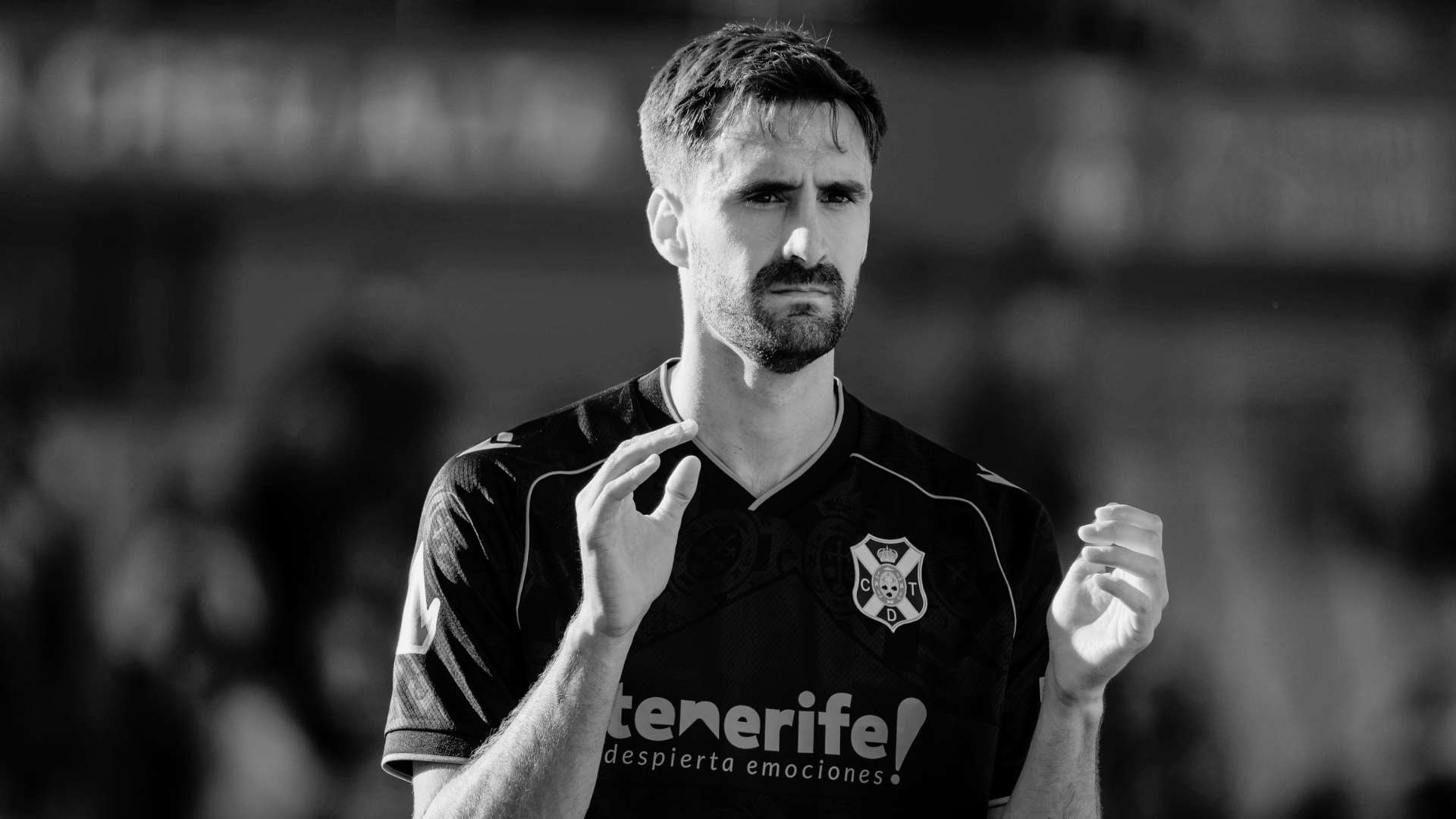
Spanish football is mourning the death of CD Tenerife striker Jesús de Miguel, who died after suffering a severe head injury in a collision with Andorra goalkeeper Jesús Owono during a LaLiga 2 match. De Miguel was 30. The incident occurred late in Monday’s game, prompting an urgent response from medical staff and leaving players, supporters and clubs across the sport in shock.
The match was nearing its conclusion with the score level at 2-2. Both sides had already been reduced to ten players after receiving red cards when a long, high ball sent De Miguel forward in the seventh minute of stoppage time. Owono advanced from his goal to meet the ball. Because he was outside the penalty area, he could not handle it and attempted to clear it with his foot.
In the challenge that followed, Owono’s attempted clearance struck De Miguel in the head. The force of the collision left the Tenerife forward requiring immediate medical attention. Play stopped as doctors and emergency personnel treated him on the pitch, while players from both teams waited nearby in visibly distressed scenes.
Emergency Treatment and Hospital Transfer
After several minutes of treatment, De Miguel was carried from the field on a stretcher and taken to hospital. Spanish media reported that he suffered a cardiac arrest following the collision and that medical staff were able to restore his heartbeat through resuscitation. His condition was initially described as stabilising on Monday evening, offering a brief moment of hope to those following developments.
That hope gave way to devastating news the following morning. Tenerife announced that the player’s condition had deteriorated. Shortly afterwards, reports confirmed that De Miguel had died from the injuries sustained in the incident. The club’s announcement brought an end to anxious hours for supporters and colleagues, and prompted tributes from across Spanish football.
The sequence of events has also underlined the seriousness of head injuries in professional sport. Although footballers receive prompt treatment and matches are staffed by medical teams, a sudden impact can lead to life-threatening complications. The reported cardiac arrest and subsequent deterioration show how quickly a medical emergency can change, even when a patient initially appears to be stabilising.
A Tragic Moment in a High-Pressure Match
The collision took place during a tense closing stretch, with the teams level and little time remaining. In such moments, a goalkeeper may have to make a rapid decision when leaving the penalty area to challenge for a ball. Owono’s attempt to clear it was part of the play, but the resulting contact had catastrophic consequences. The incident is being reported as a tragic accident, rather than as evidence of deliberate intent.
There has been no football prediction or tactical analysis that can meaningfully account for a tragedy of this kind. The match’s scoreline, the late timing and the two red cards may explain the intensity of the contest, but they do not lessen the human impact. For those on the pitch, the immediate priority was no longer the result; it was the wellbeing of a fellow professional.
Incidents involving collisions between goalkeepers and attackers are an established risk in football, especially when players converge on aerial balls at speed. Referees and medical teams must respond quickly, while clubs and governing bodies may later review what happened and whether any lessons can be drawn. Any such review, however, cannot undo the loss or replace the support needed by De Miguel’s family, teammates and friends.
Tributes and Support Across Spanish Football
News of De Miguel’s death has resonated well beyond Tenerife and Andorra. Football clubs, players and supporters have expressed their condolences, reflecting the close-knit nature of the professional game. A serious injury to an opponent can affect everyone involved, and the sudden loss of a player is especially difficult for teammates who shared the dressing room and the pitch with him only hours earlier.
Owono is also likely to face an exceptionally difficult period after being involved in the collision. While the circumstances described point to an attempt to play the ball, the emotional burden of a fatal accident can be profound. In situations like this, support for all those directly affected—including the injured player’s loved ones and the opposing goalkeeper—is an important part of the response.
For supporters, the news is a reminder that football is more than a competition measured by goals, standings or predictions. A match can be remembered not for its 2-2 score but for the lives changed by a single moment. Messages of sympathy and gestures of respect offer a way for the sport’s community to stand with those grieving.
Remembering Jesús de Miguel
De Miguel’s death has cast a shadow over the LaLiga 2 season and renewed attention on player welfare and emergency care. His final appearance came in a fiercely contested match that was close to its conclusion, but his life and career cannot be reduced to the circumstances of that evening. He was a professional footballer whose passing has left a deep loss for his club and those who knew him.
As the football community mourns, the focus is on remembering De Miguel and supporting everyone affected by the tragedy. The match between Tenerife and Andorra will be recalled as a painful reminder of the risks athletes face, and of the importance of compassion when sport gives way to an emergency. For now, condolences remain with De Miguel’s family, friends, teammates and supporters.