
Omar Hossam Hassan’s Cryptic Message Follows Egypt Coach’s Exit
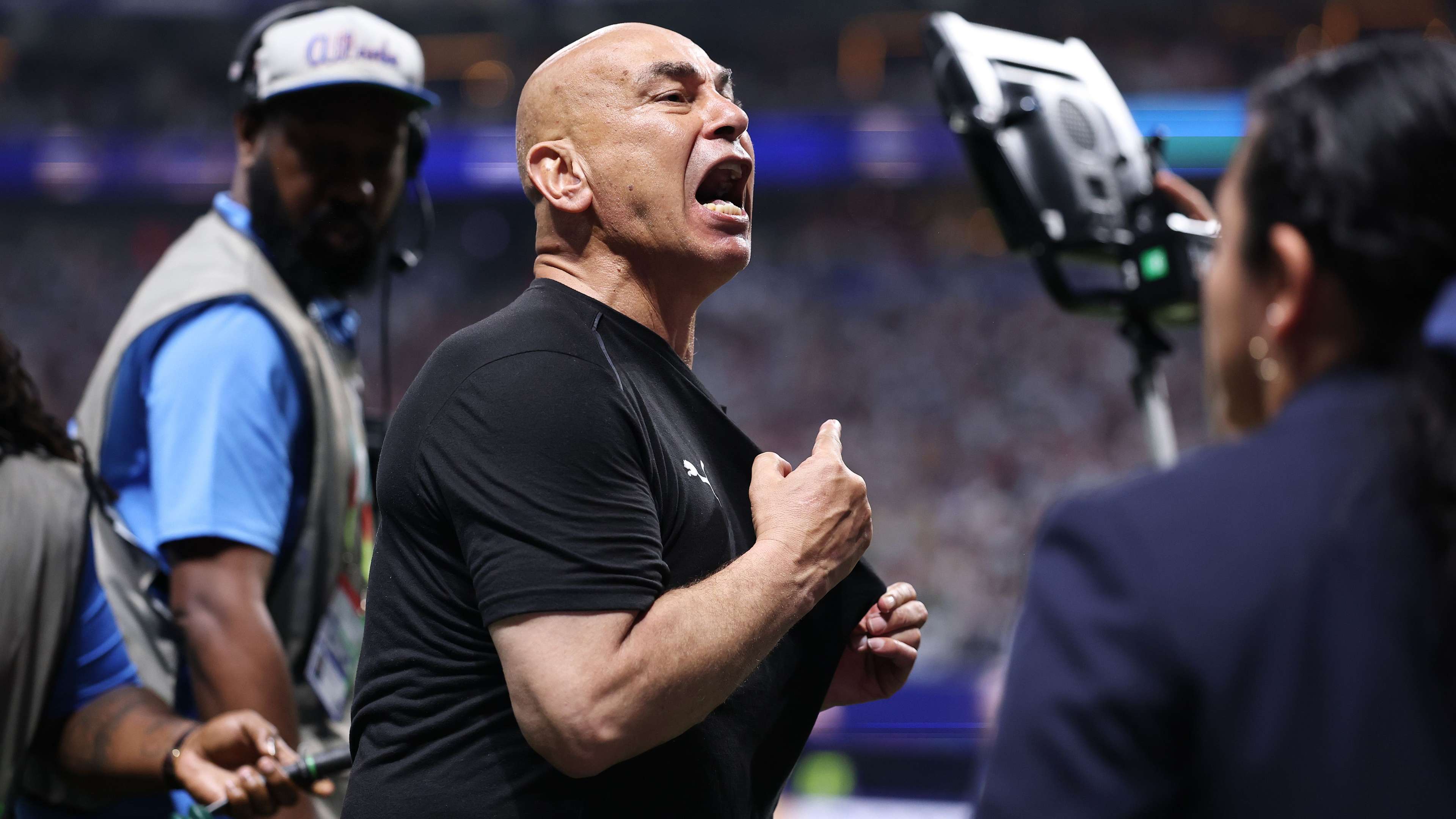
A pointed social media post from Omar Hossam Hassan, son of former Egypt head coach Hossam Hassan, has stirred debate among football fans after the Egyptian Football Association ended his father’s spell in charge of the national team. Though Omar did not name anyone directly, his words appeared to question the circumstances surrounding the decision and the way the coach’s tenure came to a close.
“One day, history will tell of a leader whom no one could defeat on the battlefield, so they brought him down by treachery,” Omar wrote in an Instagram Story. The brief message quickly attracted attention because it was published only days after the association announced the departure of Hossam Hassan and his coaching and administrative staff.
What Did Omar Hossam Hassan Say?
Omar’s post used the language of a fallen leader and an unfair defeat, rather than directly discussing the Egyptian Football Association or explaining what he believed had happened. That ambiguity has left supporters interpreting the message in different ways. Some see it as an emotional defense of his father; others view it as a criticism of the process that led to the coaching change.
Because the statement was shared as a temporary Instagram Story, it offered no additional context or specific allegation. It should therefore be understood as Omar’s personal reaction, not as confirmation of any particular dispute behind the association’s decision. Still, its timing ensured that the post became part of the wider conversation about Egypt’s national team and the end of Hossam Hassan’s tenure.
Why Egypt Parted Ways With Hossam Hassan
Hossam Hassan took charge of the Pharaohs in February 2024. His departure followed a review by the Egyptian Football Association’s board, which said it had considered recent events and their consequences. In announcing the change, the association said those circumstances had affected the national team’s positive image and stability.
The statement thanked Hassan and his technical and administrative staff for their work. It did not provide a detailed public account of every factor behind the decision, leaving supporters and analysts to assess the timing against the team’s results, performances and broader circumstances. That gap between the official explanation and the public’s desire for more detail helped fuel speculation after Omar’s post appeared.
Coaching changes are rarely judged on results alone. Federations may also weigh relationships within a squad, public communication, long-term planning and the pressures surrounding major tournaments. Without further information from the association or the former staff, however, any claims about a hidden cause remain unverified.
A Tenure Marked by Major Tournament Milestones
Hassan’s time in charge included significant achievements for Egyptian football. The team reached the semi-final of the 2025 Africa Cup of Nations, then made history at the 2026 FIFA World Cup by advancing to the round of 16 for the first time in the Pharaohs’ history.
Those milestones form an important part of the discussion about his record. Reaching the last 16 at a World Cup represented a landmark for Egypt, while the Africa Cup of Nations run demonstrated the team’s ability to compete deep into a major continental tournament. At the same time, a coach’s future can depend on more than past accomplishments, particularly when a federation believes that stability or the public standing of the team has been affected.
For fans, the contrast between historic progress and an abrupt change in leadership raises a natural question: how should a coaching spell be assessed? A balanced judgment considers both results and the circumstances that shaped them, while recognizing that the association has not publicly set out a full explanation beyond its reference to recent events and their repercussions.
Ali Maher Takes Charge Ahead of Malawi Qualifiers
The Egyptian Football Association has appointed Ali Maher as the new head coach of the national team. Maher, formerly in charge of Ceramica Cleopatra, inherits the role at a demanding moment, with competitive fixtures approaching and little time to settle into the job.
His immediate focus will be Egypt’s two matches against Malawi in qualification for the 2027 Africa Cup of Nations, scheduled for November 13 and 17. The fixtures will provide an early test of his approach and give supporters their first indication of how he plans to build on the team’s recent progress while managing the transition after Hassan’s departure.
For Maher, the challenge is not simply to secure results. He will also need to establish clear expectations, maintain confidence among the players and keep attention on the qualification campaign rather than the controversy surrounding the coaching change. A strong start could help calm the debate; any early setback is likely to intensify scrutiny.
What Comes Next for the Pharaohs?
Omar Hossam Hassan’s message has added an emotional dimension to an already significant change in Egypt’s football leadership. Yet the next chapter will be shaped primarily by what happens on the pitch: how the players respond, how quickly Maher establishes his plans and whether Egypt continues to progress in the 2027 Africa Cup of Nations qualifiers.
For now, the post remains a cryptic expression of frustration rather than a detailed account of events. The association has announced its decision and appointed a successor, while supporters await more clarity—or, more likely, answers through the team’s performances. Any football prediction about Egypt’s immediate future will depend on how smoothly the new coach handles the transition and whether the Pharaohs can turn a turbulent moment into renewed momentum.