
Matthias Sammer Says Jürgen Klopp Needs Time to Shape Germany’s Football Identity
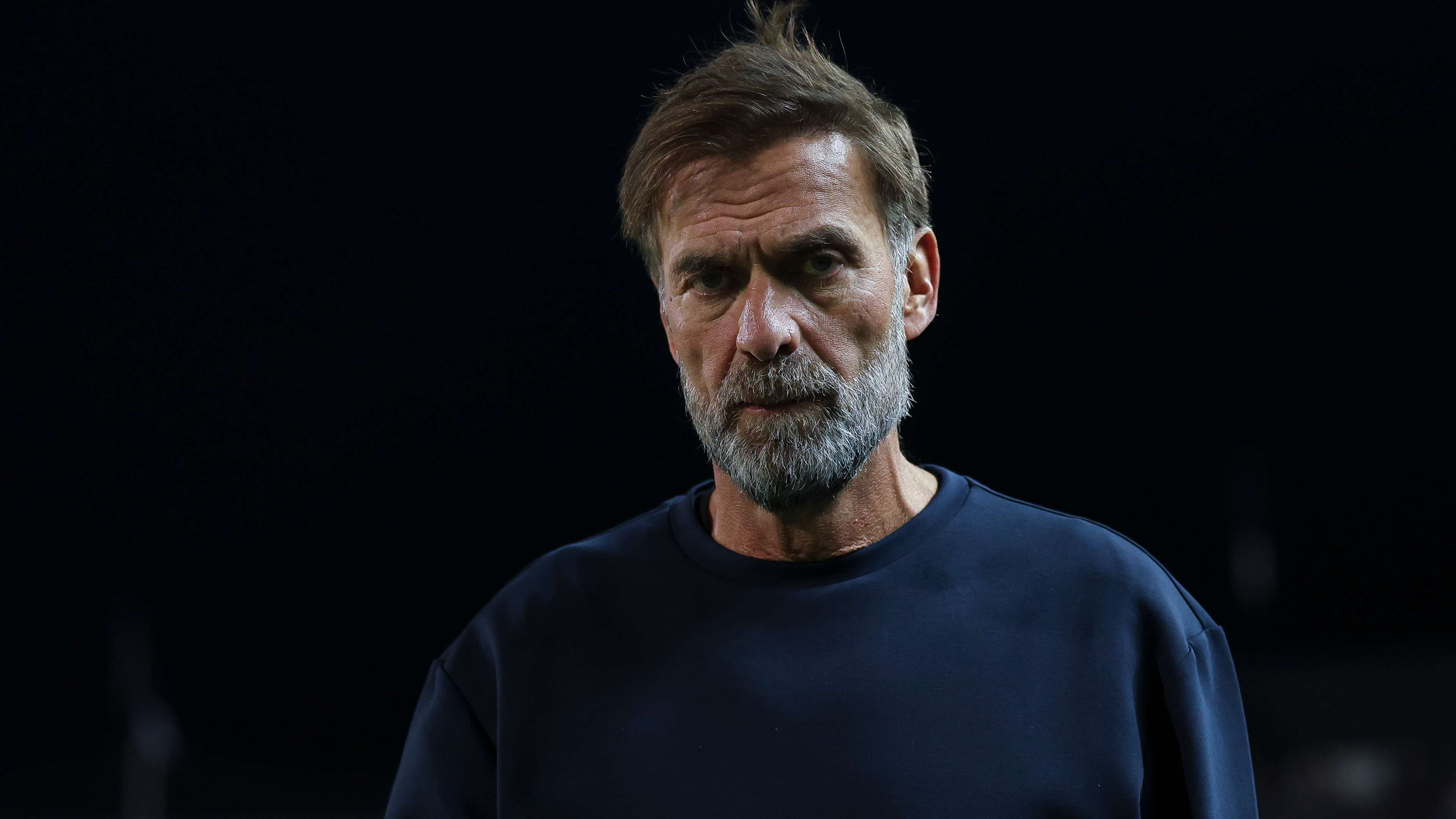
Jürgen Klopp’s early days in charge of Germany have prompted plenty of discussion about what the national team can expect from its new coach. But former Germany international Matthias Sammer has urged supporters to be patient, warning that Klopp cannot reproduce the immediate influence he often had at club level.
Speaking to Sky during the current international break, Sammer said Klopp’s best work has traditionally depended on something national-team managers rarely have: regular time on the training pitch. With Germany, the coach must build relationships, introduce his tactical ideas and prepare for important matches within a limited number of sessions.
Sammer, who won the European Championship with Germany in 1996, was discussing Klopp’s second camp in charge. Germany are scheduled to face Serbia away on Friday, 13 November, before hosting the Netherlands in Berlin on Monday, 16 November, in UEFA Nations League action.
Why Klopp’s club methods may take longer to translate
Klopp earned his reputation through intensive, long-term work at clubs. Over the course of a season, a manager can coach players day after day, refine pressing patterns, build fitness and gradually develop a recognisable style. International football offers no comparable routine. Players arrive from different clubs, often with only a short window to prepare before returning to their regular teams.
That difference is central to Sammer’s assessment. He believes Klopp’s major strength is his ability to work closely with players and shape them around a clear football philosophy. At national-team level, however, the coach has less opportunity to repeat drills, correct details and develop the understanding that makes a system function consistently.
“I think the matter is extremely difficult for him at the moment, because his great strength lies in daily work and developing players in the way he wants to play, but he does not have this time now,” Sammer said.
He added that Klopp has not yet been able to show the full impact associated with his club coaching career. That does not necessarily mean the approach is wrong. Rather, the national-team environment may require a slower process, with progress measured in small improvements instead of an immediate transformation.
Germany’s early results offer a mixed picture
Germany’s September results have helped shape the conversation around Klopp’s start. The team recorded a win against Serbia, suffered a defeat to Greece in Augsburg and drew twice—against the Netherlands and Greece in Thessaloniki. The sequence provided moments of promise, but it also showed that the side is still searching for consistency.
Sammer did not describe those results as surprising. In his view, expectations need to reflect the unusual demands of international management. A new coach cannot simply impose a fully formed system after one camp, particularly when players have limited time together and arrive with different tactical habits from their clubs.
For supporters looking for an early football prediction about Germany’s direction, the safest conclusion may be that the team remains a work in progress. Results against Serbia and the Netherlands will matter, but they will not, on their own, provide a complete verdict on Klopp’s long-term prospects. The quality of Germany’s pressing, transitions and response to difficult moments may be just as revealing.
A smaller squad could help sharpen the preparation
Klopp has selected a 24-man squad for this camp, a more focused group than the expanded list of 44 players used during the previous, exceptional gathering. A smaller squad can give the coaching staff a clearer picture of their preferred options and allow players to spend more time working within a defined group.
That does not remove the time constraints Sammer highlighted, but it may help Klopp concentrate on the principles he wants Germany to apply. Clear roles, compact defensive spacing and coordinated pressure are among the areas a coach can reinforce even during a short camp. Establishing those basics could be more realistic than attempting to install every detail of a club-style system at once.
The challenge is also practical. International coaches must balance tactical ambition with player welfare, travel schedules and the need to prepare for opponents quickly. They may have to adapt their plans to the strengths of the available squad rather than recruit players specifically suited to a preferred system. Klopp’s reputation for energetic, front-foot football will therefore be tested by how effectively he adjusts his ideas to Germany’s personnel.
Patience is the central message
Sammer’s main point was not that Klopp lacks the ability to succeed with Germany, but that his influence may take longer to become visible. At club level, a manager can build a team over months and seasons. With a national side, progress is interrupted by long gaps between camps, while every competitive fixture brings immediate pressure to deliver a result.
“I cannot expect much at the current time,” Sammer said, explaining that the direct impact Klopp often made as a club coach is not yet possible in the same way. He expects the process to require time.
That perspective offers a useful framework for judging Germany’s upcoming Nations League matches. A strong performance could strengthen confidence in Klopp’s direction, while setbacks may expose areas that still need work. Neither outcome should automatically settle the broader debate. The more meaningful test will be whether Germany gradually develops a clearer identity and becomes more reliable from one international window to the next.
For now, Klopp’s task is to make limited preparation time count. Sammer’s warning reflects the realities of international football: even an experienced coach cannot instantly recreate the daily coaching environment that helped define his club career. Germany’s next matches will provide another glimpse of the project, but patience—not a quick verdict—may be the fairest prediction.