
Harry Kane’s Unlikely Viking Stavanger Transfer That Never Happened
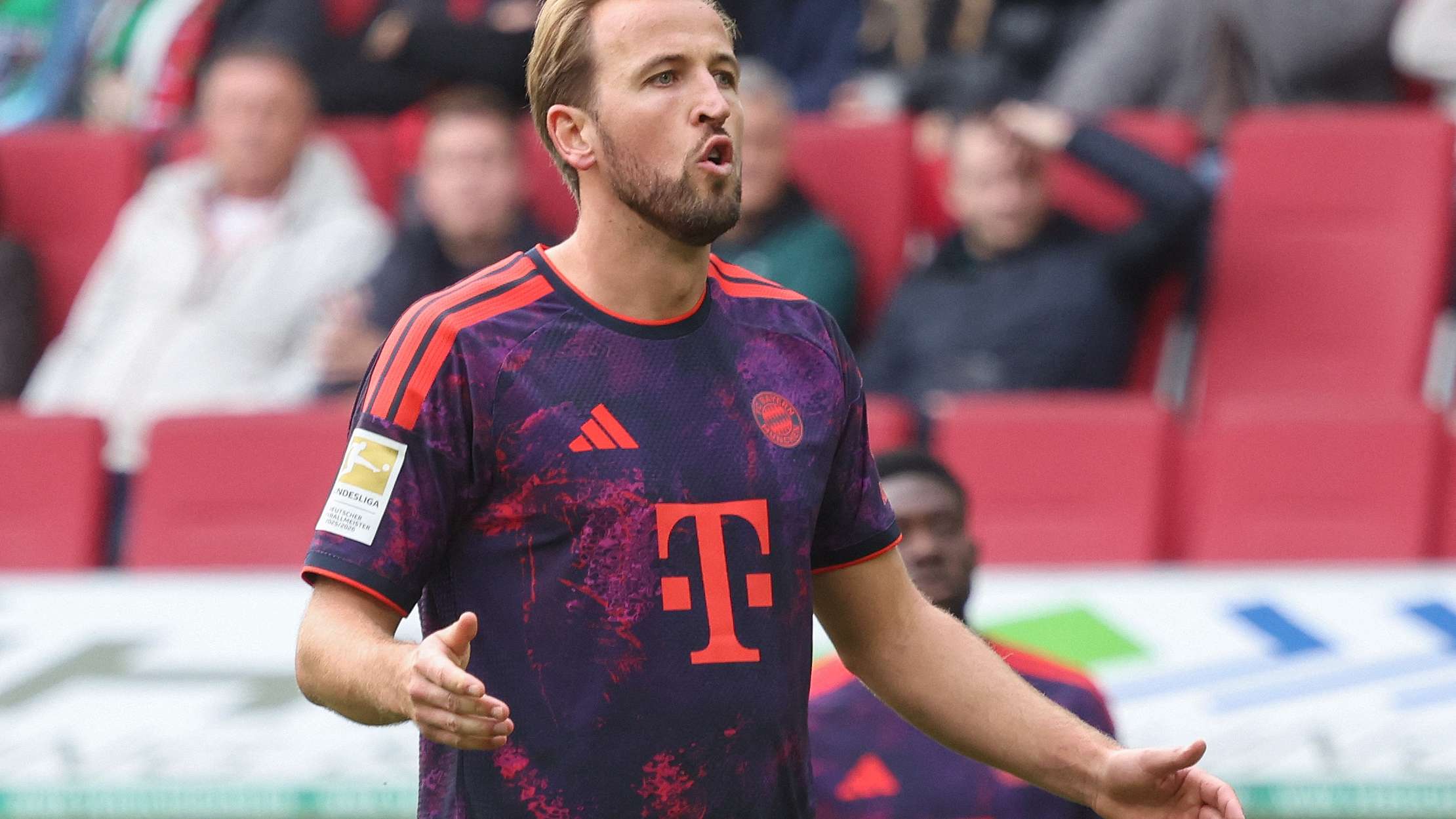
Harry Kane wearing a Viking Stavanger shirt would be a striking sight today. The England captain is one of the most prolific forwards of his generation and a central figure at Bayern Munich. Yet more than a decade ago, a move to the Norwegian club was reportedly discussed as a possible way to help the young striker gain first-team experience.
The proposed transfer never progressed, and Kane’s career soon took a very different path. But the story has resurfaced ahead of Bayern Munich’s Champions League visit to Stavanger, giving fans a glimpse of an alternative route that might have changed the early chapters of his career.
Viking’s reported opportunity to sign a young Kane
Former Viking scout Gary Goodchild recalled the episode in an interview with the Norwegian newspaper Stavanger Aftenblad. According to Goodchild, he was told in 2012 that Kane might be interested in joining Viking on loan from Tottenham Hotspur.
At that point, Kane was far from the established star known to football audiences today. He was still trying to break into Tottenham’s senior side and had spent time away from the club in search of regular minutes. His loan spells included Leyton Orient and Millwall, followed by opportunities with Norwich City and Leicester City.
“I was told he might be interested in coming to Viking,” Goodchild said, describing a possibility that would have brought the young forward to Norway’s top flight. The people he spoke with believed a loan spell in Scandinavia could benefit Kane by giving him more opportunities to play and develop.
A scouting trip that revealed little
Goodchild travelled to England to watch Kane play for Millwall. The visit, however, did not provide the assessment he had hoped for: Kane missed the match through injury. Without seeing the forward in action, the scout was left with little more clarity about whether a move to Stavanger could realistically happen.
The timing also mattered. Kane was still working to establish himself, and a temporary move abroad might have offered a different environment, a new league and the chance to build confidence through regular football. But loan plans depend on several parties agreeing: the player, his parent club and the prospective team all need to see a clear sporting benefit. In Kane’s case, the opportunity appears to have faded before those discussions could produce a deal.
From loan spells to a breakthrough at Tottenham
Goodchild’s recollection captures how quickly Kane’s prospects changed. “Not long afterwards, he was in the first team” at Tottenham, he said. Once Kane began earning a place in Spurs’ senior side, the idea of sending him to Norway became increasingly remote.
That breakthrough marked the start of a remarkable rise. Kane developed into Tottenham’s leading scorer, became England’s all-time leading goalscorer and established himself as one of Europe’s most reliable strikers. His later move to Bayern Munich brought him to another elite club, where his finishing, movement and ability to link play have made him a key part of the attack.
Looking back, the Viking story is less a tale of a transfer that nearly happened than a reminder of how uncertain a young player’s career can be. In 2012, Kane was still moving between clubs on loan and trying to make an impression. A short spell in Norway might have been a useful stepping stone, but his eventual breakthrough at Tottenham made that alternate route unnecessary.
A Champions League meeting brings the story full circle
Kane is now set to play in Stavanger after all—more than a decade after the reported loan possibility. This time, he will arrive not as an unproven Tottenham prospect but as Bayern Munich’s experienced centre-forward, with a career shaped by major goals, international records and years at the highest level.
The contrast gives the Champions League fixture an added layer of intrigue. For Viking supporters, the match is an opportunity to see one of football’s biggest names close up. For those familiar with the club’s history, it also revives the curious thought that Kane might once have been part of their own squad.
There is no way to know how a season in Norway would have influenced Kane’s development. A different league could have brought new challenges, while regular starts might have accelerated his progress. Equally, his path through Tottenham’s loan system and eventual first-team breakthrough proved successful. The most plausible prediction is that his talent would have remained evident wherever he played—but the route to the top could have looked very different.
Why the old transfer story still resonates
Stories like this appeal because they reveal the uncertainty behind careers that later seem inevitable. Today, Kane’s status makes a move to Viking sound almost unimaginable. At the time, however, he was a young striker seeking a chance to prove himself, and a Scandinavian loan was reportedly considered a practical option.
The episode also highlights the role of scouting in football. Clubs must identify potential before a player becomes a household name, often with incomplete information and limited opportunities to watch a prospect. Goodchild’s trip to see Kane—only for injury to keep him off the pitch—shows how small details can shape recruitment decisions.
Viking never secured Kane’s signature, and the striker’s career took him from Tottenham to Bayern Munich instead. Yet the old report gives the upcoming Champions League encounter a memorable backstory: a transfer possibility that slipped away, a young player who soon outgrew the idea, and a return to Stavanger that finally brings the two sides together on the pitch.