
Ahmed Shobier: Ammouta Has Little Room for Rotation at Al-Ahly
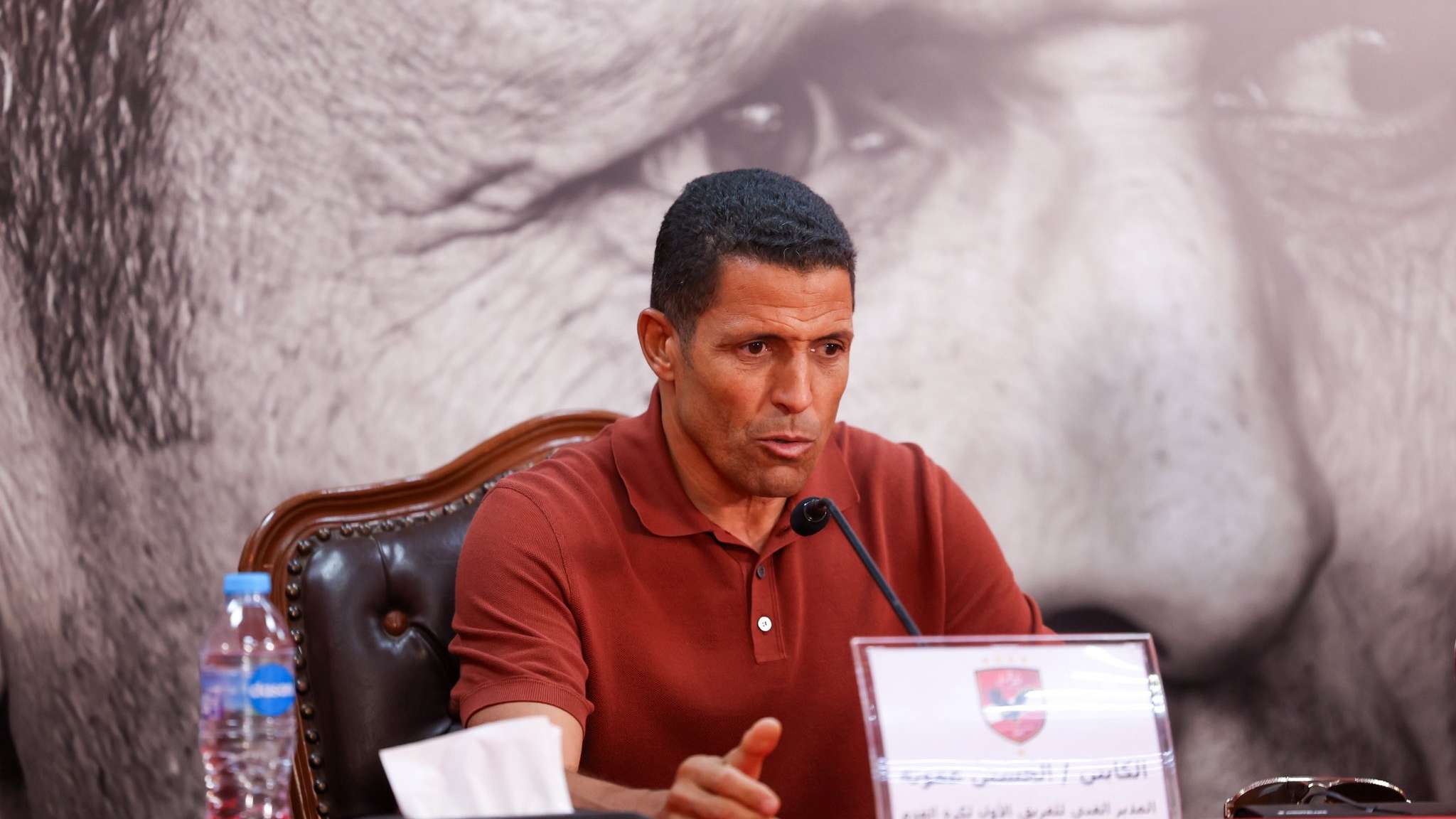
Al-Ahly manager Houcine Ammouta is expected to rely on a largely settled starting line-up in the Egyptian Premier League and Egypt Cup, according to former club goalkeeper and media personality Ahmed Shobier. His comments offer a glimpse into the coach’s plans for a busy stretch of fixtures—and underline a growing tension between Al-Ahly’s recent results and the style of football supporters want to see.
Speaking on a radio programme on Monday, Shobier described how Ammouta may distribute playing time across the club’s competitions. While fringe players could receive opportunities in some tournaments, the league campaign is likely to be approached with a more consistent selection.
Ammouta’s expected approach to team selection
Shobier said Ammouta intends to use close to his first-choice team in both the Egyptian Premier League and the Egypt Cup. In his assessment, the coach is not planning to rotate heavily in league matches, where continuity and results remain central priorities.
Other competitions may offer more scope for changes. Shobier suggested that players who have featured less often could get a chance in the Rabita, while selection for the Confederation competition would depend on merit. In other words, opportunities may be available, but players will need to demonstrate that they deserve a place in the squad.
“In the Premier League, he will keep the starting group fixed and there will be no rotation,” Shobier said, summarising what he understands to be Ammouta’s plan.
That strategy reflects a familiar challenge for coaches managing multiple competitions. A stable first XI can help a team build rhythm, strengthen partnerships and reduce uncertainty in high-pressure league games. However, limited rotation can also leave substitutes short of match fitness and increase the physical demands on regular starters as the schedule intensifies. Ammouta will need to balance those risks while keeping Al-Ahly competitive across its campaigns.
Winning matches, but not winning over every supporter
Shobier also highlighted what he described as a difficult relationship between Ammouta and sections of the Al-Ahly fanbase. The issue, he argued, is not simply the results: it is the gap between winning and the entertaining, attractive football supporters expect from one of Egypt’s most closely followed clubs.
According to Shobier, Al-Ahly have played eight matches during the period he was discussing, drawing only once. By results alone, that record is strong. Yet he said the performances have not consistently satisfied the crowd, whose expectations extend beyond collecting points.
“By the count of results this is wonderful,” Shobier said, “but by the count of performance the matter does not please the supporters.” He added that the Al-Ahly audience has traditionally wanted to see its team play “beautiful football.”
The distinction matters at a club where winning is expected, but the manner of victory can shape the mood around a coach. A string of positive results may provide Ammouta with a degree of protection, yet supporters can remain restless if matches feel cautious, disjointed or short on attacking ambition. For the manager, the challenge is to preserve the consistency of the team while giving fans more of the fluent football they associate with Al-Ahly.
What the results and performances could mean
Shobier’s comments point to two different ways of judging Ammouta’s early work. One is the straightforward measure of points and results; the other is the quality of the football and the team’s ability to control matches. Those measures do not always move together. A team can win regularly while still leaving questions about its attacking patterns, tempo or ability to create clear chances.
Al-Ahly’s upcoming fixtures will therefore be important not only for the league table, but also for the atmosphere around the team. If the first-choice players continue to deliver victories and the performances become more convincing, Ammouta could ease concerns without making major changes to his selection policy. If the results falter, however, the limited use of rotation may come under closer scrutiny—particularly if substitutes have had few chances to prove themselves.
For supporters, the central question is likely to be whether the team can combine efficiency with entertainment. In modern football, coaches often prioritise structure and defensive security, especially in tight competitions. But at a club with Al-Ahly’s history and expectations, pragmatic wins may not always be enough to keep the crowd satisfied.
Percy Tau’s next move remains a talking point
The discussion around Al-Ahly also comes amid ongoing interest in what Percy Tau should do next in his career. A fan poll accompanying the debate invited readers to choose between four possibilities: staying with Al-Ahly, returning to the South African Premier Soccer League, heading back to European football or reuniting with former coach Pitso Mosimane in Saudi Arabia. The poll had recorded 6,407 votes.
Each option carries a different footballing proposition. Remaining at Al-Ahly would offer Tau continuity at a major club, while a return to the PSL could bring him closer to familiar surroundings and a prominent role. A move back to Europe might appeal if the right sporting opportunity emerged, whereas a reunion with Mosimane would link him with a coach who knows his strengths. The poll itself does not determine Tau’s plans, but it reflects the continued interest in his future among supporters.
For now, the immediate focus is on Ammouta’s selection choices and Al-Ahly’s ability to satisfy two demanding audiences: those who judge the team by its results and those who want every win to come with convincing, expressive football. The next run of matches should provide a clearer indication of whether the coach can maintain his preferred core while improving the performances that Shobier says have left supporters unconvinced.
Prediction: Ammouta is likely to keep his strongest available line-up for key league fixtures, as Shobier suggests, while using other competitions to assess players who have had fewer minutes. Whether that approach succeeds may depend on more than the final score: Al-Ahly will also need to show enough attacking quality to bring its supporters back onside.