
Francisco Conceição Begins Recovery After Shoulder Injury Against Lazio
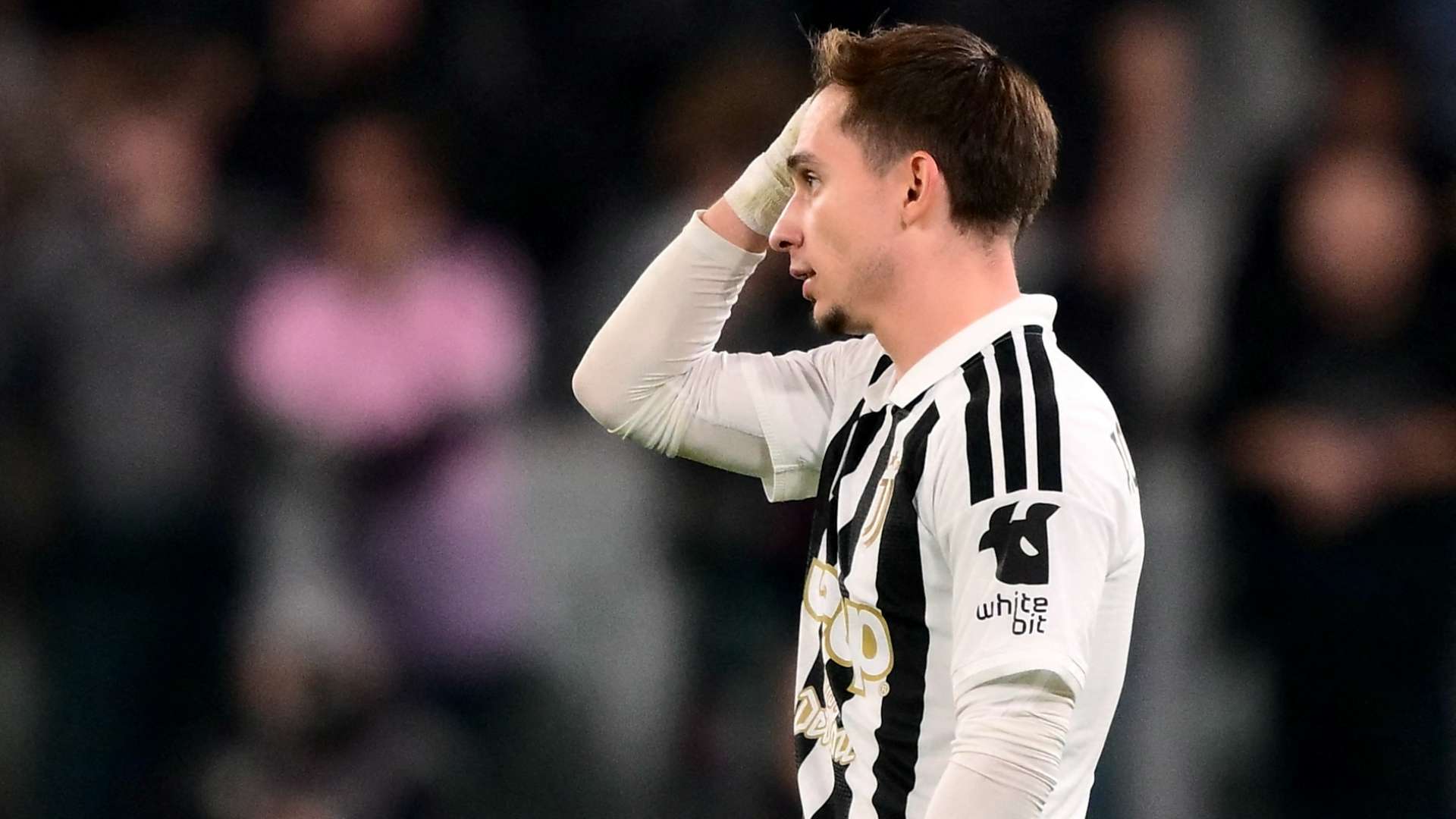
Juventus winger Francisco Conceição has started rehabilitation after suffering a left shoulder injury during the club’s match against Lazio. The Portuguese international underwent medical tests at J|medical, Juventus’ health facility, after the game, with examinations confirming a glenohumeral dislocation.
According to the club’s official update, the shoulder was put back into place on the evening of the incident. Juventus said Conceição will follow a conservative treatment plan rather than undergo surgery, and that rehabilitation has already begun. The club has not announced a specific return date, leaving his availability for upcoming fixtures dependent on how the injury responds to treatment.
What Juventus’ Medical Update Means
A glenohumeral dislocation occurs when the upper arm bone moves out of its normal position in the shoulder socket. It can happen after a direct impact or an awkward fall, both of which are common risks in football, where players contest the ball at speed and may land heavily after a challenge.
The fact that the dislocation was reduced promptly is an important first step, but it does not by itself establish how quickly Conceição can return. Medical staff will need to monitor pain, swelling, strength and range of motion, while also assessing the stability of the joint. The club’s decision to use conservative treatment indicates that its initial plan is focused on recovery and rehabilitation without surgery; it should not be read as a guarantee of an immediate comeback.
Shoulder injuries can be particularly challenging for wide players. Wingers rely on acceleration, balance and close control to beat defenders, but they also need confidence when shielding the ball, challenging for possession and absorbing contact. A player may be able to jog or train before being ready for the physical demands of a competitive match.
Why Conceição’s Availability Matters to Juventus
Conceição has brought pace, direct running and attacking energy to Juventus’ wide areas. His ability to take on defenders one-on-one can give the team a different route forward, especially when opponents defend compactly and leave little space through the centre. He can stretch a back line, carry the ball into dangerous areas and create opportunities for teammates with crosses or cutbacks.
His absence, if it extends beyond the immediate aftermath of the Lazio fixture, could therefore affect how Juventus approach their next matches. The coaching staff may need to adjust the balance of the attack, rely on other wide options or ask midfielders and full-backs to provide more width. The best solution will depend on the squad’s condition, the opponent and the tactical demands of each game.
For supporters following the latest football news, the main question is not simply whether Conceição will miss a particular fixture. It is whether he can regain full shoulder stability and confidence before returning to the pace and contact of top-level competition. Juventus is likely to provide further information as his recovery progresses, although clubs often avoid setting firm timelines while a player’s response to treatment is still being assessed.
Recovery and the Return-to-Play Process
Rehabilitation after a shoulder dislocation commonly progresses in stages. Early care aims to manage discomfort and protect the joint. Later work may focus on restoring movement, rebuilding strength in the surrounding muscles and improving stability. Before returning to full training, a player generally needs to demonstrate that the shoulder can tolerate football-specific movements, including sprinting, turning, falling and competing for the ball.
The exact programme varies from player to player and depends on the severity of the injury, the presence of any associated damage and the individual’s progress. Juventus has not disclosed those details in its bulletin, so any estimate of Conceição’s return would be speculative. A cautious approach can help reduce the risk of aggravating the injury, even if it means waiting longer before he is cleared to play.
Match readiness is also different from simply being medically fit. A player may complete rehabilitation exercises but still need time to rebuild match sharpness and adapt to contact. For Conceição, the final decision will likely involve medical staff and the coaching team, who will weigh his recovery against the demands of the fixture schedule.
What to Watch in Juventus’ Upcoming Fixtures
Until Juventus provides a clearer update, fans should look for signs of progress rather than rely on unconfirmed return-date predictions. Updates on whether Conceição has resumed individual training, joined group sessions or completed contact work can offer a better indication of his recovery stage. Even then, selection will depend on his condition and the club’s assessment of the risks.
His injury also highlights the importance of squad depth across a long football season. Teams must manage changes in personnel while maintaining their tactical identity, particularly when a player’s strengths are difficult to replicate with a like-for-like replacement. Juventus may respond by sharing attacking duties among several players rather than asking one teammate to reproduce Conceição’s role exactly.
For now, the confirmed information is straightforward: Conceição suffered trauma to his left shoulder against Lazio, medical tests identified a glenohumeral dislocation, the joint was reduced that evening, and conservative treatment has begun. His rehabilitation is underway, but Juventus has not specified when he will return to competitive action.
Any football prediction about Juventus’ lineup or Conceição’s comeback should therefore remain cautious until the club releases another medical update. The priority is a complete recovery, allowing the winger to return with the strength, mobility and confidence required to contribute safely at the highest level.