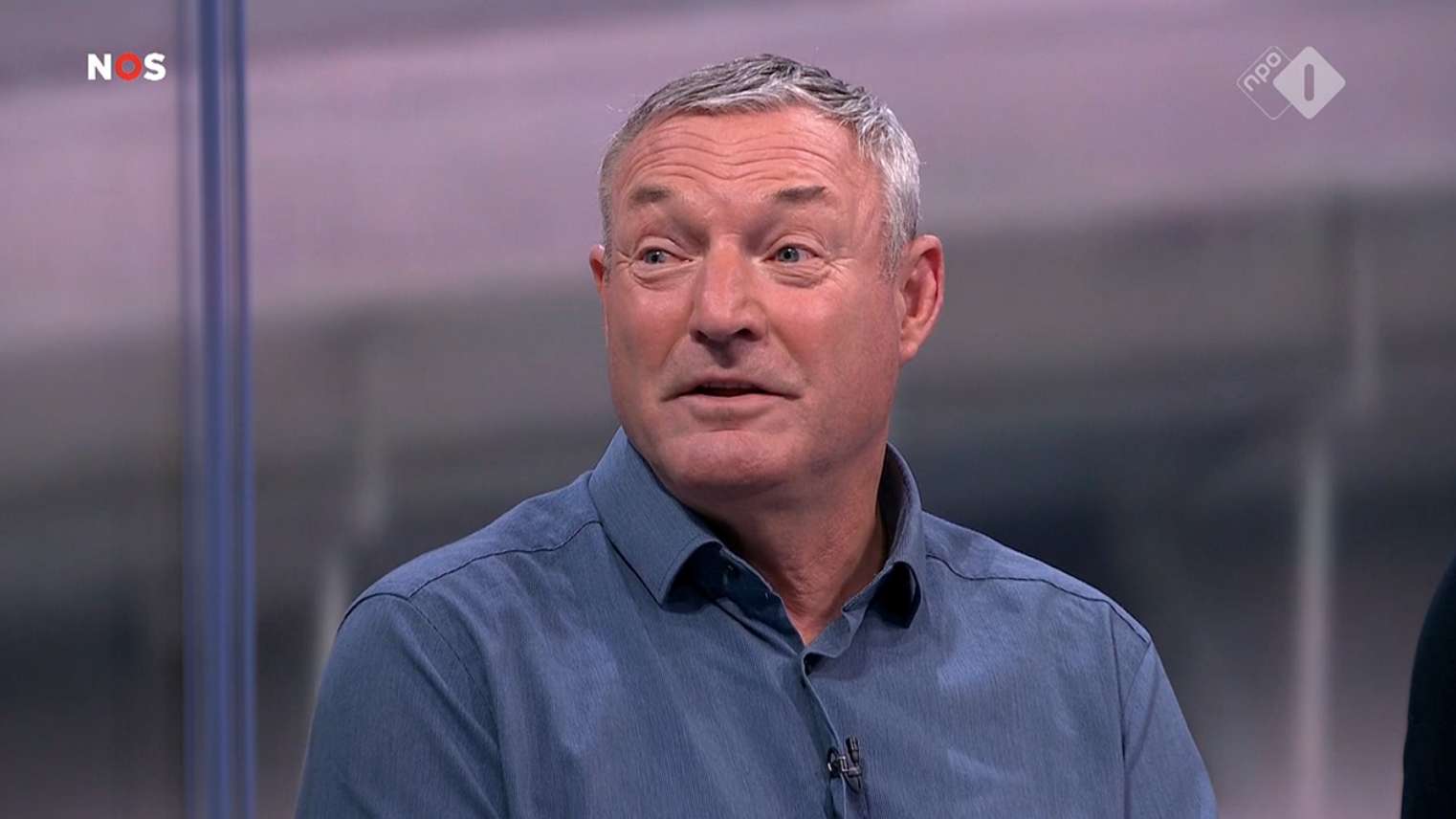

Ron Jans has strongly criticised FC Groningen goalkeeper Etienne Vaessen after his furious reaction to a late penalty decision in the club’s 4-3 Eredivisie defeat to AZ. Speaking on NOS Studio Sport, the former coach said Vaessen’s conduct was unacceptable and suggested that the goalkeeper’s difficulty controlling his emotions has become a recurring concern.
The incident came during a dramatic finish in Alkmaar, with the score level at 3-3. Vaessen left his line to challenge AZ forward Ayoub Oufkir, and referee Jannick van der Laan awarded a penalty after the two collided. The decision immediately provoked a heated response from the Groningen goalkeeper, who was shown a yellow card.
Rather than move on, Vaessen continued to argue with the referee and appeared to threaten to leave the pitch. Van der Laan initially gave him an opportunity to return to position, but the protests continued. The referee then showed Vaessen a second yellow card, sending him off at a crucial moment in the match. AZ went on to win 4-3, leaving Groningen to reflect on both the result and the controversy.
Jans questions Vaessen’s reaction
Jans acknowledged Vaessen’s qualities as a goalkeeper but said his response to the penalty decision overshadowed them. “He’s a really nice guy,” Jans said, describing Vaessen as an excellent goalkeeper who is particularly effective with the ball at his feet. The analyst also noted that Vaessen had been involved in a goal during the match.
However, Jans believes the goalkeeper’s behaviour under pressure needs serious attention. “This keeps happening. He’s almost a patient when it comes to this sort of thing,” he said on Studio Sport, using a pointed phrase to underline his concern about what he sees as a repeated pattern.
Jans also criticised the way Vaessen approached the referee after the penalty was awarded. He said the goalkeeper first appeared to want to walk away and then seemed to move towards a confrontation, while team-mates tried to hold him back. For Jans, the main issue was not whether the penalty was the correct decision, but how Vaessen responded to it.
“Whether it was a penalty or not, I don’t know either,” Jans said. “But this behaviour is unacceptable.” His comments reflect a wider reality in football: players can disagree with refereeing decisions, but continued dissent risks turning frustration into a disciplinary problem that harms the team.
Lukkien says Groningen must help their goalkeeper
FC Groningen coach Dick Lukkien also spoke openly about the incident after the defeat. He said he had seen Vaessen’s team-mates attempting to keep him away from the referee, but described the goalkeeper as seeming to experience a kind of “blackout” once his emotions took over.
Lukkien said the episode should be discussed rather than ignored, adding that the club needs to support Vaessen in managing such moments. He understood why a player might become frustrated in a high-pressure match, especially after a decision that could influence the result, but stressed that emotion cannot be allowed to dictate behaviour.
“You can never win against a referee,” Lukkien said, making the practical cost of Vaessen’s reaction clear. The coach added that the conduct was not what Groningen wanted from their players and said he was pleased that Vaessen recognised his mistake and had apologised.
That acknowledgement may be an important first step, but the incident also presents a challenge for Groningen’s coaching staff. A goalkeeper’s role demands concentration and communication, particularly in the closing stages of a close match. Losing a player to a second yellow card can disrupt a team’s shape, force tactical changes and place additional pressure on the remaining players.
A costly moment in a seven-goal thriller
The penalty controversy became one of the defining moments of a match that had already delivered an entertaining, end-to-end contest. With the score tied late on, the decision gave AZ a chance to take control. Vaessen’s dismissal then added another layer of difficulty for Groningen as they tried to protect their position and keep the result within reach.
For supporters assessing the match, the incident is a reminder that football outcomes are shaped not only by goals and tactical choices but also by discipline. A goalkeeper’s reaction can have consequences beyond the immediate set piece, affecting substitutions, defensive organisation and a team’s ability to respond to a late setback.
The penalty itself remains open to debate, but Jans and Lukkien both focused on the part Vaessen could control: his response. Even when a player believes a referee has made the wrong call, maintaining composure is often the best way to avoid making the situation worse. In this case, the second yellow card ensured that the disagreement became a major talking point after the final whistle.
What comes next for Vaessen and Groningen?
Vaessen’s apology offers Groningen a chance to address the episode constructively, but the goalkeeper will need to show that he can handle similar pressure differently in future matches. Jans’s criticism was especially pointed because he views the behaviour as more than a one-off lapse. If the pattern continues, it could become a question of consistency and leadership as much as discipline.
Groningen will now have to turn their attention to their upcoming Eredivisie fixtures, while also reviewing how the team can respond when a match becomes emotionally charged. Lukkien’s comments suggest the club intends to support Vaessen while making clear that his conduct must improve.
For fans following the league, the episode adds another talking point to an already dramatic AZ victory. Any future prediction about Groningen’s prospects will depend on more than Vaessen’s goalkeeping ability: the team’s discipline, resilience and capacity to stay composed in tense moments will also matter. He remains a talented goalkeeper, but this match showed how quickly a loss of control can shift attention away from performance and towards controversy.