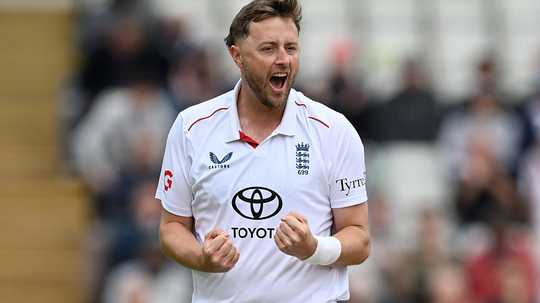

Ollie Robinson Returns to England’s Central Contract List for 2026–27
Ollie Robinson has been rewarded for his impressive return to cricket with a place on England’s expanded central contract list for the 2026–27 season. The England and Wales Cricket Board (ECB) confirmed the new group on Monday, October 12, naming 30 centrally contracted players and nine players on development deals.
The recall marks a significant turnaround for the 32-year-old fast bowler, who last held an England central contract in 2023. His recent performances have helped bring him back into the national setup and put him in contention for future selection across formats. For supporters weighing up England’s prospects, Robinson’s return is one of the notable developments to consider in any cricket prediction for the coming season.
The overall group has grown from 30 contracted men’s players across central and development categories in 2025–26 to 39 for the new cycle. The expansion reflects the ECB’s effort to recognise both established international performers and emerging players who could contribute in the years ahead.
Seven Players Receive Their First Central Contracts
Seven cricketers have earned central contracts for the first time: Tom Banton, Sam Cook, Jordan Cox, Henry Crocombe, Emilio Gay, Matthew Fisher and Dan Lawrence. Their inclusion highlights the selectors’ interest in building depth across England’s batting and bowling options, rather than relying solely on a settled group of regular internationals.
Sonny Baker has been upgraded to a two-year deal, while Cox and Crocombe have also secured contracts covering two seasons. In total, 11 players have agreements that run until September 30, 2028. Longer contracts can provide players with greater security and give England a chance to plan more consistently around those viewed as important to the team’s future.
Central contracts are not simply a reward for one strong performance or a guarantee of selection. The ECB’s system covers both red-ball and white-ball cricket, with decisions based on recent form as well as each player’s likely role in England’s plans. That makes the list a useful guide to the depth and direction of the national squad, while leaving room for competition and changes in form.
Development Deals Put the Spotlight on Emerging Talent
Six players have received England development contracts for the first time: James Coles, Mason Crane, Ben McKinney, Liam Patterson-White, Thomas Rew and Matthew Revis. The development group gives younger or less-established players support as they work towards possible international opportunities.
Crane’s selection comes in a particularly notable week: he is set to join an England squad for the first time in more than eight years. His inclusion offers a reminder that a player’s route back into the national picture can be long, and that strong performances at domestic level can reopen the door.
At the other end of the age range, 18-year-old Rew is the youngest player on the development list. He captained England’s Under-19 side to the final of the Under-19 World Cup earlier this year, gaining valuable experience in a high-pressure tournament. That leadership experience, alongside his potential as a player, makes him one to watch as England continues to develop its next generation.
Development contracts do not mean immediate promotion to the senior side. Instead, they recognise players who could progress with further experience, coaching and consistent performances. For fans following the future of English cricket, the names on this list offer an early indication of possible contenders for upcoming squads.
Ben Stokes Absent After International Retirement
Former Test captain Ben Stokes is not included in the 2026–27 contract list. The ECB had offered him a two-year deal, but he retired from international cricket earlier in the summer. His absence is therefore a consequence of that decision, rather than a reflection of his standing in the game.
Stokes’ retirement leaves England with a major leadership and all-round contribution to replace, particularly in Test cricket. The new contract group includes experienced players such as Joe Root, Jos Buttler, Adil Rashid and Sam Curran, alongside younger options including Jacob Bethell, Rehan Ahmed and Harry Brook. How England balances experience with fresh talent will be a key storyline across the season.
England Confirms Changes to Its Coaching Structure
The ECB has also announced changes to England’s national coaching setup. Mike Yardy has been appointed Elite National Batting Lead, while Richard Dawson will take on the role of Elite National Spin Bowling Lead. Troy Cooley, who began work earlier this year, continues as Elite National Pace Bowling Lead.
England’s Test head coach, Stephen Fleming, will be supported by Dawson, Marcus Trescothick, James Foster and Eric Simons. Brendon McCullum’s white-ball coaching team will include Sarah Taylor, Jeetan Patel and Tim Southee, with Kevin Pietersen joining in a specialist mentor role.
The coaching groups are due to be in place for England’s upcoming tours: a Test trip to South Africa and a white-ball tour of Australia. Those assignments will test the squad in different conditions and formats, making preparation and role clarity especially important. The appointments also suggest a structured approach, with specialist leads for batting, spin and pace working alongside the head coaches.
England Central and Development Contract Lists for 2026–27
Central contracts: Joe Root, Harry Brook, Rehan Ahmed, Jofra Archer, Gus Atkinson, Sonny Baker, Tom Banton, Shoaib Bashir, Jacob Bethell, Jos Buttler, Brydon Carse, Sam Cook, Jordan Cox, Henry Crocombe, Sam Curran, Liam Dawson, Ben Duckett, Emilio Gay, Matthew Fisher, Will Jacks, Dan Lawrence, Saqib Mahmood, Jamie Overton, Ollie Pope, Matthew Potts, Adil Rashid, Ollie Robinson, Phil Salt, Jamie Smith and Josh Tongue.
Development contracts: James Coles, Mason Crane, Josh Hull, Eddie Jack, Ben McKinney, Liam Patterson-White, Thomas Rew, Matthew Revis and Mitch Stanley.
Robinson’s recall, the arrival of seven first-time central contract holders and the investment in emerging players make this a substantial reshaping of England’s contract group. The list does not settle future selection debates, but it outlines the players the ECB is backing as the team prepares for a demanding international programme. With tours of South Africa and Australia ahead, fans can expect close attention on form, fitness and the competition for places—factors that will shape England’s cricket outlook and any prediction of how the new season unfolds.