
Ethan Nwaneri at Borussia Dortmund: Regular Minutes, but Goals Still Missing
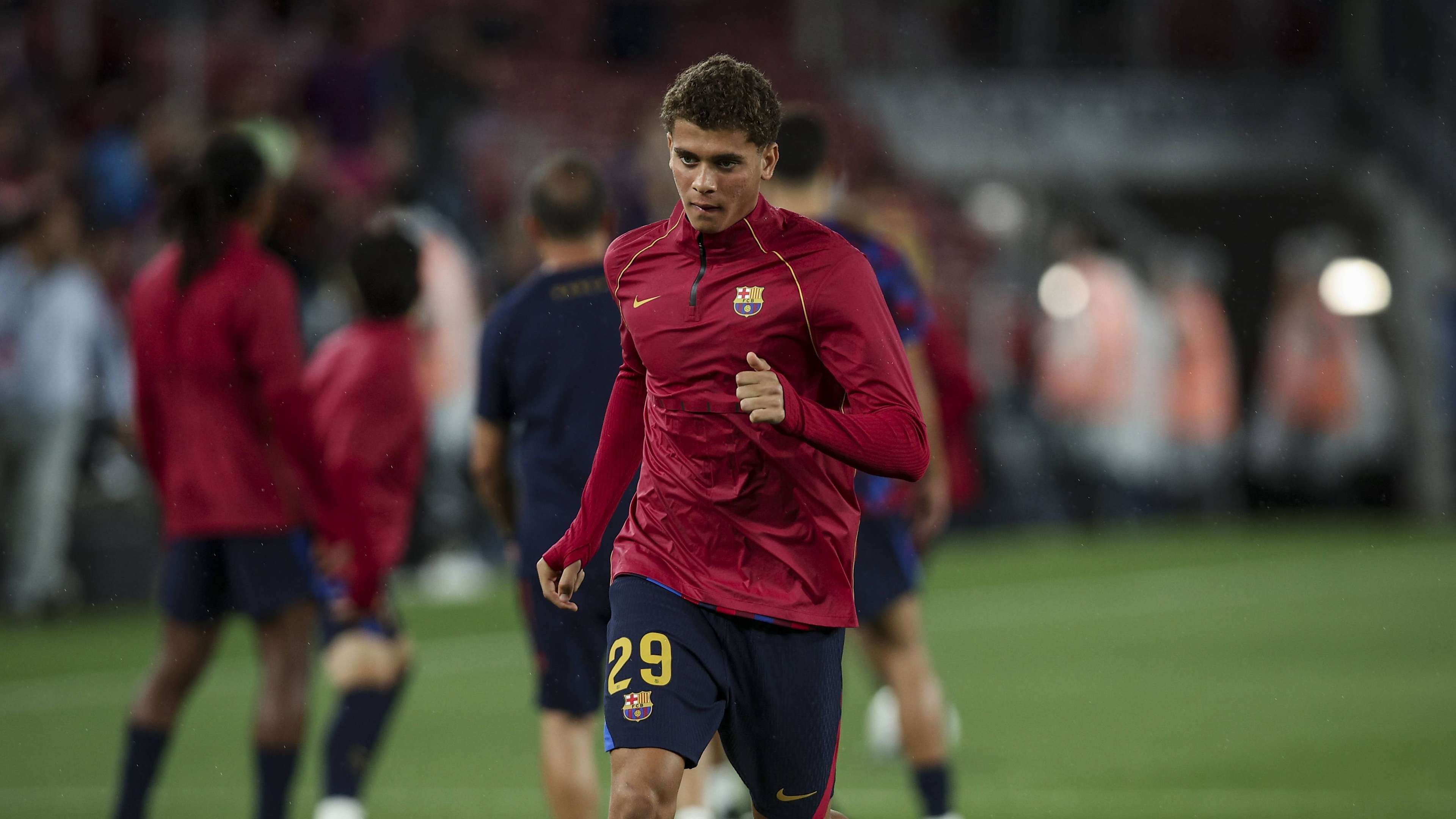
Ethan Nwaneri has quickly become a regular part of Borussia Dortmund’s plans, but the Arsenal loanee is still searching for the attacking breakthrough that would turn promising moments into convincing results. The 19-year-old has been given substantial opportunities in the Bundesliga and Champions League, yet he has not scored a goal of his own for the German club.
That gap between involvement and end product is becoming an important talking point for Dortmund. Nwaneri’s technique and ability to find space are clear, but football rewards attacking players for what they produce in decisive areas—and so far, his contribution has not matched his playing time. With fixtures coming thick and fast, the next stretch of the season could shape both his role and his prospects in Dortmund’s lineup.
Playing time has not been the problem
Nwaneri is on course to exceed the minutes he accumulated during his previous loan spell at Olympique Marseille. Before Dortmund’s Champions League meeting with FK Sabah, he needed just 17 minutes to reach 412 minutes for the club. He has reached that total in eight appearances, compared with 11 during his time in France.
His growing involvement reflects the faith coach Niko Kovac has shown in him. Nwaneri has been used across several attacking positions and has had opportunities to influence matches from the start and off the bench. However, regular selection naturally brings greater scrutiny, especially for a player expected to add creativity and goals.
His latest outing, a 0-0 draw with Union Berlin, nearly ended in disaster almost as soon as it began. Within seconds of kickoff, Nwaneri challenged former Dortmund player Tom Rothe with a sliding tackle. Referee Daniel Schlager initially showed him a red card, but after reconsidering the incident, he changed the decision to a yellow. The reprieve allowed Nwaneri to remain on the pitch, though he made little attacking impact in the match.
A dismissal would have been particularly damaging for Dortmund, who later lost Konstantinos Karetsas to injury. Karetsas is expected to be unavailable for a period, increasing the need for other attacking players to step up. Sporting director Lars Ricken said the club would continue to support Nwaneri, noting that Dortmund will need him during Karetsas’ absence.
Near misses and a missing goal
There are signs that Nwaneri is closer to a breakthrough than his headline statistics suggest. His only recorded assist contribution so far came in Dortmund’s 3-2 win at Hoffenheim, when his involvement preceded Albian Hajdari’s own goal. He has also had promising efforts ruled out or stopped before they could count.
Against Stuttgart, Nwaneri found the net from an offside position. In a match against Werder Bremen, he scored with an overhead kick, but the goal was disallowed after an earlier foul was called. He also created a clear first-half opportunity for Maximilian Beier with a well-weighted pass. These moments show the range of his attacking instincts, even if they have not yet delivered a consistent return.
His opportunities have not always been converted, either. In Dortmund’s disappointing defeat to Bodø/Glimt, Nwaneri was among the substitutes who helped improve the team’s performance late in the game. But he missed a promising header while unmarked and later failed to make the most of a shooting chance following a corner. For an attacking player, those are the kinds of moments that can define a match—and strengthen a case for more minutes.
Dortmund’s attacking structure may be limiting him
Nwaneri’s difficulties cannot be viewed in isolation. Dortmund have often struggled to create varied, coordinated attacks, particularly against opponents who defend deep and crowd the space around the penalty area. Too frequently, the team depends on individual dribbling or a moment of inspiration rather than a sequence of well-timed movement and passing.
That approach can leave creative players with little support. When an attacker is expected to beat several opponents alone, a promising move can quickly break down if the dribble fails or the final pass lacks precision. Nwaneri has had some trouble in one-on-one situations, and there have been occasions when his pace or passing accuracy has not been enough to unlock a defence. At the same time, a more organised attacking pattern could give him clearer options and reduce the burden on individual skill.
Kovac has previously praised Nwaneri’s technical quality, and the teenager’s close control is one of his strongest attributes. Yet technique is most effective when it is supported by movement around the ball. Dortmund’s attack often asks for width and crosses, particularly down the right, while Nwaneri appears more comfortable drifting into the right half-space or central areas. Finding a role that makes use of those preferences without disrupting the team’s shape will be an important coaching challenge.
Mathis Albert adds competition
Nwaneri is not the only young attacker hoping to make an impression. In Berlin, Kovac gave 17-year-old Mathis Albert 20 minutes on the pitch, marking the youngster’s first Bundesliga appearance of the season. Albert has already shown in limited senior action that his pace, confidence on the ball and willingness to take on defenders can offer Dortmund a different kind of threat.
Albert’s introduction does not automatically signal a change in Nwaneri’s status. Kovac has spoken positively about the Arsenal loanee, saying he expects him to be important in the weeks and months ahead. Still, competition for attacking places is a normal part of life at a club with ambitions in both domestic and European football. If Nwaneri’s output remains limited, younger alternatives could earn more opportunities.
What comes next for Nwaneri?
The upcoming fixtures give Nwaneri a chance to turn encouraging flashes into tangible progress. Dortmund need more goals and creativity, particularly with Karetsas sidelined. A goal, a decisive assist or a consistently influential performance could quickly change the conversation around the loan signing.
Prediction: Nwaneri is likely to receive further chances in the near term, given Dortmund’s need for attacking options and Kovac’s public backing. But his position will depend increasingly on end product. If he can combine his technical ability with sharper decision-making in the final third, he could become a valuable contributor. If not, Dortmund may look to other young players for the directness and unpredictability their attack has lacked.
For now, Nwaneri remains a player with visible promise but unfinished business. His playing time shows that Dortmund believe he can help; the next step is proving that belief can translate into goals, assists and match-winning moments.