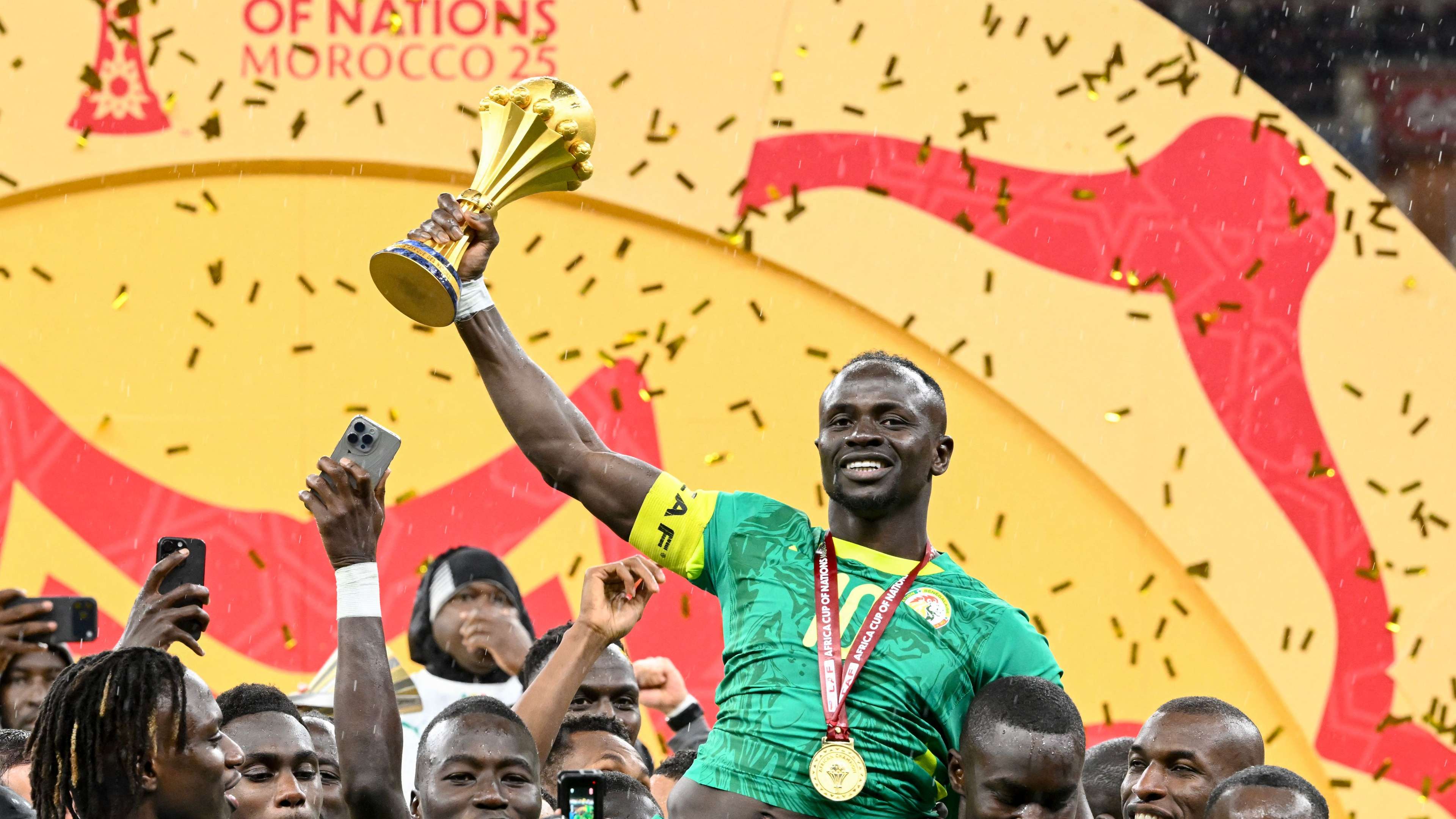

Senegal Face Another Month of Uncertainty Over Africa Cup of Nations Title
Senegal will have to wait until November to learn whether they can overturn the decision that stripped them of the Africa Cup of Nations crown. The Court of Arbitration for Sport (CAS) confirmed on Monday that its final ruling on the disputed final against Morocco has been delayed, extending an already tense wait for players, supporters and officials.
The appeal concerns one of the most controversial episodes in recent African football. Senegal are challenging the governing body’s decision to remove their title after the final, a match that had already generated intense debate over what happened on the pitch and how the rules were applied. Until CAS delivers its verdict, the official status of the championship remains a subject of dispute.
CAS Delays Its Final Decision Until November
CAS, the independent body that resolves disputes in international sport, said the ruling would not be issued until November. The delay means Senegal’s appeal will remain unresolved for at least another month, despite the case’s importance to both national teams and the wider football community.
For Senegal, the decision is about more than a trophy. It concerns the official record of the tournament, the work of a team that believed it had won Africa’s most prestigious international competition, and the way a major final is judged after the final whistle. Morocco, meanwhile, are also directly affected by the outcome, which could determine how the championship is ultimately recorded.
CAS has not announced the precise reasoning behind the postponement in the information provided. In major sports appeals, however, a ruling may take longer when judges need to assess extensive documents, review arguments from several parties or consider how competition regulations apply to a complicated sequence of events. A delayed verdict does not, by itself, indicate which side is more likely to prevail.
Why the Africa Cup of Nations Dispute Matters
The Africa Cup of Nations is one of international football’s most closely followed tournaments, bringing together leading players from across the continent and attracting a global audience. A dispute over its final result therefore carries consequences beyond the two teams involved. It can affect the competition’s official history, the reputations of national federations and public confidence in the processes used to enforce the rules.
When a title is contested after a final, the central questions often extend beyond the scoreline. Appeals may examine whether regulations were correctly interpreted, whether the relevant procedures were followed and whether the sanction imposed was proportionate to the circumstances. The arguments presented to CAS will determine which of those issues are decisive in this case.
For supporters, the uncertainty can be particularly frustrating. Fans typically expect a championship to be settled on the field, but football’s governing rules also provide formal routes for resolving disputes. Those procedures are designed to ensure that difficult cases receive a legal review, even when the wait for an outcome prolongs debate around a major sporting event.
Senegal’s Appeal and the Road to a Verdict
Senegal’s appeal asks CAS to review the decision that removed the team’s Africa Cup of Nations title. The court’s role is not simply to revisit the emotions or public reaction surrounding the final. Instead, it must assess the case within the framework of the applicable competition rules and the evidence submitted by the parties.
That distinction is important. A high-profile controversy can produce strong opinions, but a legal ruling depends on the relevant regulations and the facts established through the appeal process. CAS may uphold the original decision, overturn it or reach another conclusion permitted by the rules. Until the judgment is published, any prediction about the final outcome remains speculative.
The November timetable gives both sides a clearer indication of when the dispute may be resolved, but it does not settle the underlying questions. Senegal’s supporters will be watching for signs that the appeal could restore the title, while Morocco’s fans will want confirmation of the championship’s final status. Neutral observers are likely to focus on the reasoning behind the ruling as much as the result itself.
What the Decision Could Mean for African Football
The case could have a lasting impact on how future tournament controversies are handled. Whatever CAS decides, its ruling may offer guidance on how competition rules should be interpreted when a final produces a serious dispute. National federations, tournament organisers and players may all look to the judgment for greater clarity about their rights and responsibilities.
Clear, consistent procedures are essential to the credibility of international football. When a decision affects a continental title, governing bodies must be able to explain how the rules were applied and why any sanction was considered appropriate. A detailed CAS judgment could help clarify those standards, particularly if the dispute exposes uncertainty in the competition regulations.
The case also highlights the growing role of sports arbitration in modern football. Decisions made during a match can have consequences that continue long after the players leave the pitch. Appeals provide a structured way to challenge those decisions, although they cannot always deliver a quick resolution. In this instance, the additional wait means the debate around Senegal and Morocco is likely to remain prominent throughout the coming weeks.
Prediction: All Eyes on the November Ruling
Any prediction about the appeal should be treated cautiously. The available information confirms that CAS has postponed its final ruling, but it does not reveal how the judges are likely to decide. Without the court’s full reasoning, claims that Senegal will definitely regain the title—or that the existing decision will certainly stand—would go beyond what is known.
The most important development now is the expected November verdict. It should provide an authoritative answer on whether Senegal’s challenge succeeds and clarify the official outcome of the controversial final against Morocco. Until then, both teams and their supporters remain caught between the result remembered on the pitch and the decision still being considered in the courtroom.
For African football, the ruling will be more than the conclusion of one appeal. It will determine how this Africa Cup of Nations controversy is recorded and may shape expectations for accountability in future competitions. Senegal must wait another month for that answer, while the wider football world watches to see whether CAS brings the long-running dispute to a close.