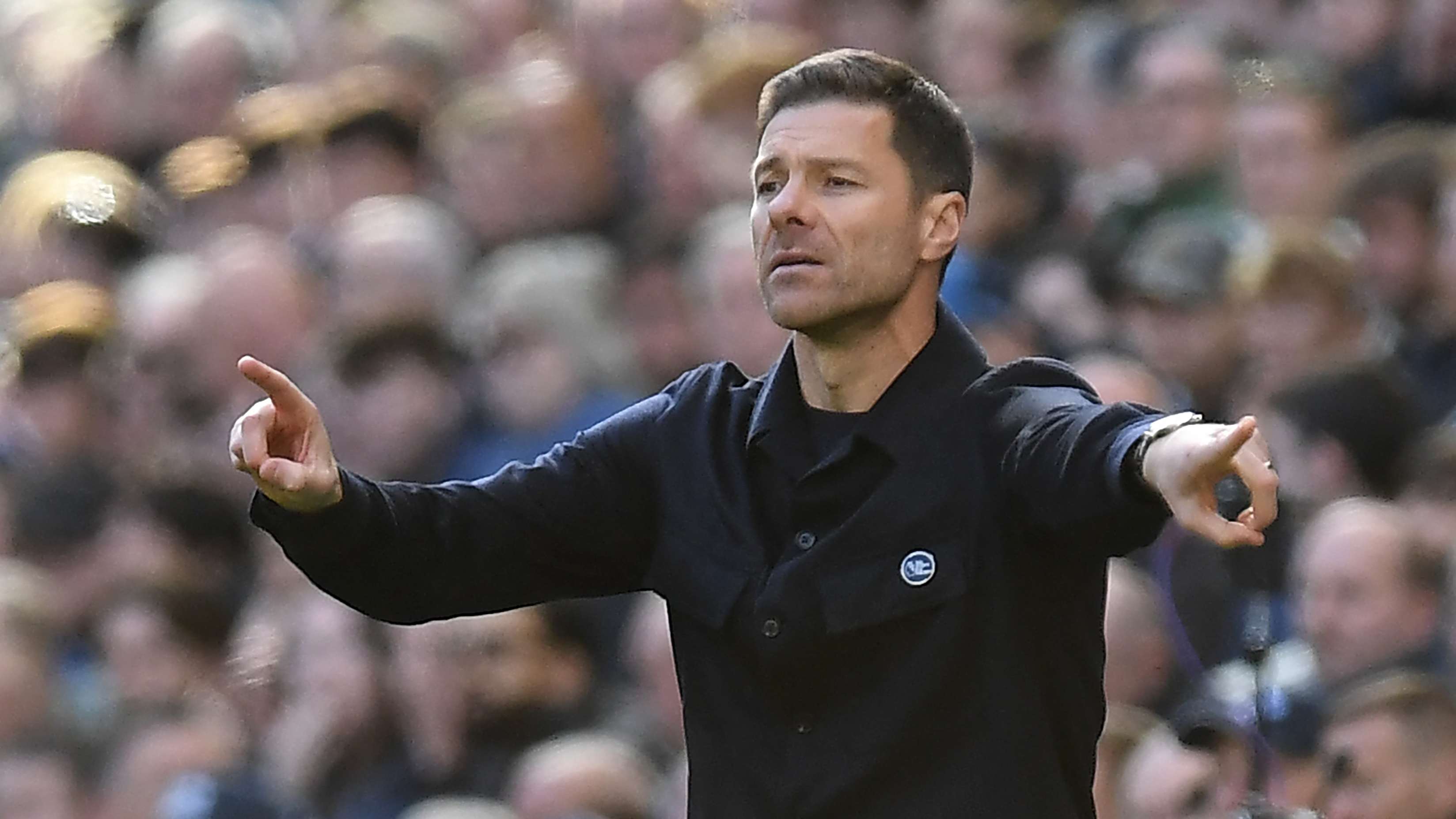

Xabi Alonso outlines Chelsea’s long-term plan for Premier League and Champions League success
Xabi Alonso believes Chelsea’s return to the top of English and European football will depend on more than expensive transfers or a short run of strong results. For the Spanish coach, lasting success requires a shared vision, careful recruitment, clear communication and patience while a competitive team takes shape.
Speaking at length with former Liverpool teammate and Sky Sports analyst Jamie Carragher, Alonso explained why he accepted the Chelsea opportunity and what he believes the club must do to challenge again. His message was measured but ambitious: Chelsea can target the Premier League and a return to the Champions League, but the foundations need to be built before those aims become realistic expectations.
Why Alonso chose Chelsea
Timing played an important role in Alonso’s decision. After leaving Bayer Leverkusen and taking time to reflect following his period at Real Madrid, he was able to consider his next move carefully. He saw Chelsea as a club with the resources and history to make progress, as well as a squad offering a useful starting point for a longer-term project.
Alonso acknowledged that the team would need adjustments to improve its balance and competitiveness. That does not necessarily mean replacing the squad wholesale. Instead, the challenge is to identify where the team needs greater depth, how individual players fit together and which additions could strengthen the overall system.
For supporters, that distinction matters. A transfer strategy is most effective when signings address specific footballing needs rather than simply adding well-known names. A coherent recruitment plan can help a coach build a side with complementary qualities, from defensive organisation and midfield control to pace and creativity in attack.
Building the foundations before chasing trophies
Alonso does not expect Chelsea to become a finished product in one season. He described the opening campaign as an opportunity to lay groundwork, establish standards and make decisions that can support future progress. In his view, a club aiming to compete consistently must think beyond the next fixture and resist judging every step solely by immediate results.
That approach does not mean results are unimportant. Chelsea’s ambitions demand victories, and the pressure to deliver is part of life at a major club. But Alonso’s argument is that short-term performance and long-term development must be managed together. A team needs to compete in every match while also improving its habits, understanding and depth.
With only seven matches played at the time of the interview, Alonso pointed to the importance of direction as well as the early results. The season’s opening stretch can offer clues about a team’s progress, but it is not enough to determine whether a long-term project will succeed. Consistency, adaptability and a clear identity are stronger measures over time.
Any football prediction about Chelsea’s title prospects should therefore account for more than the club’s history or transfer spending. The key questions are whether the team can maintain form across a full campaign, handle injuries, improve against different styles of opposition and turn promising performances into reliable points. Alonso’s comments suggest he is focused on those underlying conditions rather than making premature promises.
Communication between coach and club leadership
One of Alonso’s central themes was the relationship between the head coach and the people responsible for shaping the squad. He said his impressions of Chelsea’s leadership changed after he had the chance to understand the officials’ thinking and hear more about their plans for the club’s development.
In Alonso’s view, a coach’s responsibilities should not begin and end on the training pitch. The manager needs meaningful involvement in decisions that affect the team, alongside open communication with ownership, the sporting director and technical staff. When responsibilities are understood and the people involved share the same objectives, decisions about players and performance can become more consistent.
He also stressed the importance of shared accountability. A club is more likely to operate effectively when those involved accept responsibility for both progress and setbacks. If the coach feels like a genuine partner in the project, rather than someone working separately from the recruitment process, it becomes easier to build toward a common plan.
Lessons from Bayer Leverkusen
Alonso’s experience at Bayer Leverkusen offered a useful comparison. He described his working relationship with sporting director Simon Rolfes as close and frequent, with the pair sharing an office and discussing a wide range of issues. Their conversations went beyond tactics to include player form, confidence, squad needs and the broader condition of the team.
That daily exchange helped create an integrated working relationship, Alonso suggested. At Chelsea, he highlighted the coordination involving Sam Jewell, Paul Winstanley and Joe Shields. The structure may differ from the one he experienced in Germany, but the principle remains the same: clear roles and regular communication can help a club make better-informed decisions.
For a team with high expectations, alignment behind the scenes can be especially important. Recruitment, player development and match strategy all influence one another. When those areas work in isolation, a squad can become difficult to balance; when they are connected, each decision has a clearer purpose.
From Liverpool newcomer to respected teammate
The interview also brought Alonso back to his early days in the Premier League. He arrived at Liverpool from Real Sociedad at 21 and entered a dressing room featuring established figures such as Steven Gerrard, Carragher, Dietmar Hamann and Sami Hyypia. Earning their respect required more than adapting to a new country and a different style of football: he had to show he belonged on the pitch.
Alonso recalled that his friendship with Carragher grew partly from their shared interest in Spanish football and clubs including Atlético Madrid, Deportivo La Coruña, Barcelona and Real Madrid. Yet it was his performances that helped him settle. He remembered a demanding match against Bolton, including a fierce challenge from Gary Speed, as an example of the physical intensity he had to meet.
A 3–0 win over Norwich also stood out as a performance that helped build trust among his teammates. Alonso’s experience underlined a lesson relevant to any new signing: strong reputations do not automatically secure acceptance. Players must adapt, contribute and demonstrate their value, particularly when joining a team with experienced leaders.
What Chelsea supporters can expect
Alonso’s outlook combines ambition with restraint. Chelsea have the history and resources to pursue major honours, but restoring their place among the leading clubs will require sustained progress rather than a quick fix. The immediate focus is on creating a connected team, improving the squad where necessary and ensuring that the club’s decision-makers are moving in the same direction.
For supporters, the clearest measure of progress may be whether Chelsea become more consistent: better organised without the ball, more purposeful in possession and capable of responding when matches become difficult. If those qualities develop, the club’s Champions League ambitions and Premier League challenge will have firmer foundations.
Alonso’s career as both a player and coach has shaped a philosophy built around collective responsibility. His message is that success begins before the trophy celebrations—with a shared plan, thoughtful decisions and the patience to turn potential into performance. Chelsea’s journey back to the summit may take time, but Alonso believes a properly aligned project gives the club a credible route forward.