
Arda Güler’s rise creates a selection dilemma for Real Madrid
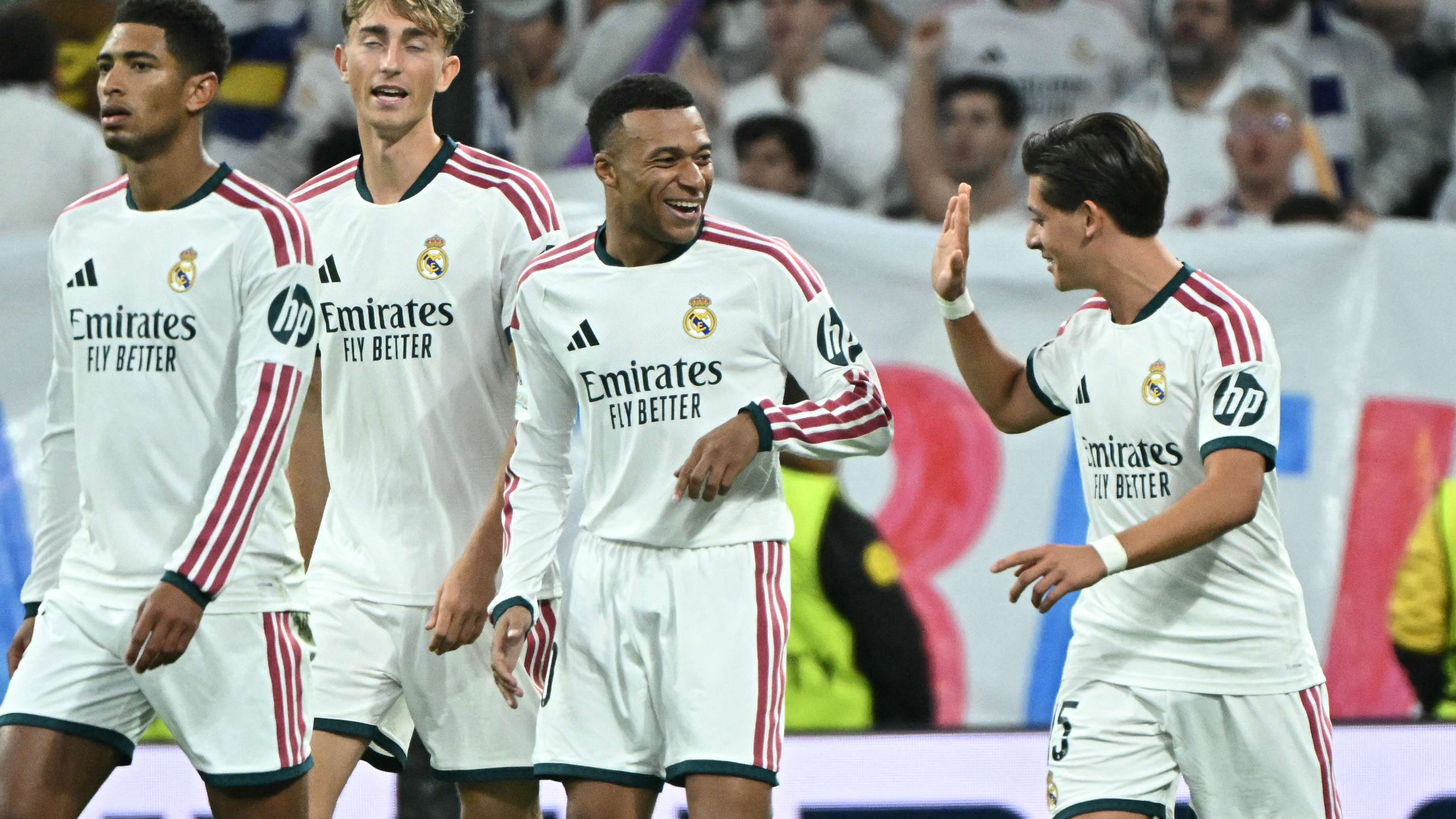
Arda Güler has turned a difficult fight for minutes into a central role at Real Madrid, giving José Mourinho a valuable new creative option—and presenting the coach with a growing selection puzzle. As the Turkish playmaker establishes himself in the starting lineup, the question is no longer simply how to find room for him. It is whether Madrid can get the best from their attack without making a tough call on Vinícius Júnior.
Güler struggled to secure regular opportunities during his first two seasons under Carlo Ancelotti. This campaign has brought a marked change. According to Spanish newspaper Sport, the midfielder has earned the confidence of both Madrid supporters and Mourinho, whose side increasingly relies on his touch, vision and ability to connect midfield with the forwards.
Numbers behind Güler’s breakthrough
Güler has accumulated 845 minutes across 14 matches this season, placing him among Mourinho’s ten most-used players. His average of 61 minutes per appearance suggests the coach still manages his workload and sometimes substitutes him early. But his starting record tells a clearer story: he has begun 83% of Madrid’s La Liga matches.
Four goals and seven assists underline the impact he has made. Those figures are particularly significant at a club where competition for a starting place is intense and where attacking roles are occupied by established stars. Güler’s progress has not come from one position or a single tactical formula. Mourinho has moved him between the central attacking role, the right flank and, on occasion, a deeper midfield partnership to keep his qualities involved.
That flexibility has become essential. Kylian Mbappé, Vinícius, Jude Bellingham and Diomande all demand space and responsibility, leaving Mourinho to balance individual strengths against the needs of the team. Güler’s ability to operate in different areas gives the coach options—but it also sharpens the competition for places.
Why Güler and Mbappé work so well together
One of Madrid’s long-standing needs has been a player capable of controlling the tempo and delivering the final pass for fast-moving forwards. Güler offers both. His awareness allows him to spot runs early, while his left foot can send the ball into tight spaces before opposing defenders have time to reset.
Mbappé has become an especially effective partner. The pair have combined directly for 19 goals through assists exchanged between them, making Güler the second-most productive Real Madrid teammate in Mbappé’s goals since the Frenchman joined the club. Vinícius remains narrowly ahead, with 20 shared goal contributions.
The connection is not just a matter of statistics. Güler regularly looks for Mbappé’s movement, and the forward’s pace gives the midfielder a clear target. Their partnership is most dangerous when Mbappé accelerates into the diagonal channel between the opposition centre-back and full-back. From there, Güler can thread a pass into his stride, allowing the striker to attack the space at speed.
The tactical value of Güler on the right
Güler’s role on the right wing helps explain why Mourinho has been reluctant to leave him out. Although he starts wide, he is not a traditional touchline winger. As a left-footed player, he often moves inside to receive the ball and influence play in central areas. Federico Valverde can then provide width on the right, stretching the opposition and giving the full-back room to advance.
This movement creates several advantages. First, it can open a lane for the right-back to overlap and support the attack. Second, Güler’s inward movement adds another player between the lines, helping Madrid form a numerical advantage in midfield. Opponents must decide whether to send a holding midfielder forward to track him or remain compact to protect the space around Mbappé.
Either choice can create an opening. If the defensive midfielder follows Güler, gaps may appear behind him. If the opponent holds its shape, Güler can receive the ball facing forward and pick out a run. His position therefore gives Madrid more than an extra playmaker: it creates a problem for the opposition’s defensive structure.
Echoes of Mesut Özil—and a new challenge for Vinícius
Güler’s style has prompted comparisons with Mesut Özil, the German playmaker of Turkish origin who joined Madrid in 2010. Özil became a superb creative partner for Cristiano Ronaldo, using anticipation and precise passing to release the forward into dangerous areas. Like Özil, Güler can begin on the right before drifting into the middle, where he can read the game and supply runners.
The comparison is about function rather than a claim that the players are identical. Güler brings his own qualities, including a willingness to take on defenders and a range of roles that Mourinho has used to adapt his system. Still, the resemblance highlights the value of a creative midfielder who can make a quick forward’s movement more decisive.
That success has intensified the debate over Vinícius. The Brazilian remains one of Madrid’s most dangerous attackers, and his contribution alongside Mbappé has been substantial. Yet Mourinho must decide how to fit several high-impact players into a balanced starting eleven. Keeping Güler, Mbappé and Vinícius together may be possible in some matches, but it can require compromises elsewhere in the formation.
Recent results offer a reason for Mourinho to trust the combinations that are working. With Güler, Diomande and Bernardo in the lineup, Madrid have reached some of their strongest levels of the season, and the team’s run of eight consecutive victories has reinforced the case for continuity. Results alone do not settle every selection question, but they give the coach a compelling argument for preserving a productive setup.
What comes next for Madrid?
The next challenge is sustaining the balance between creativity, width and defensive security as opponents adjust to Güler’s influence. Teams may try to crowd the central spaces he uses or deny him time to turn. Madrid will need alternative routes forward, as well as the flexibility to shift Güler’s role when a match demands more direct play or defensive cover.
For now, the prediction is that Güler will remain a key part of Mourinho’s plans, particularly in games where Madrid need to unlock a compact defence or exploit Mbappé’s pace in transition. Whether that means Vinícius starts every match is a separate question. Mourinho’s decision will depend on form, fitness and the tactical demands of each opponent—but Güler’s rise has made one thing clear: Real Madrid’s attack increasingly runs through his creativity.