
Gary Neville Warns Manchester United’s Defensive Crisis Could Put Premier League Status at Risk
Manchester United’s difficult season has taken another troubling turn after club legend Gary Neville criticised the decision not to sign a defender during the summer transfer window. Following an entertaining but damaging 4-4 draw with Aston Villa, Neville warned that the back four who finished the match could leave United facing the threat of relegation if the club fails to address its defensive weaknesses.
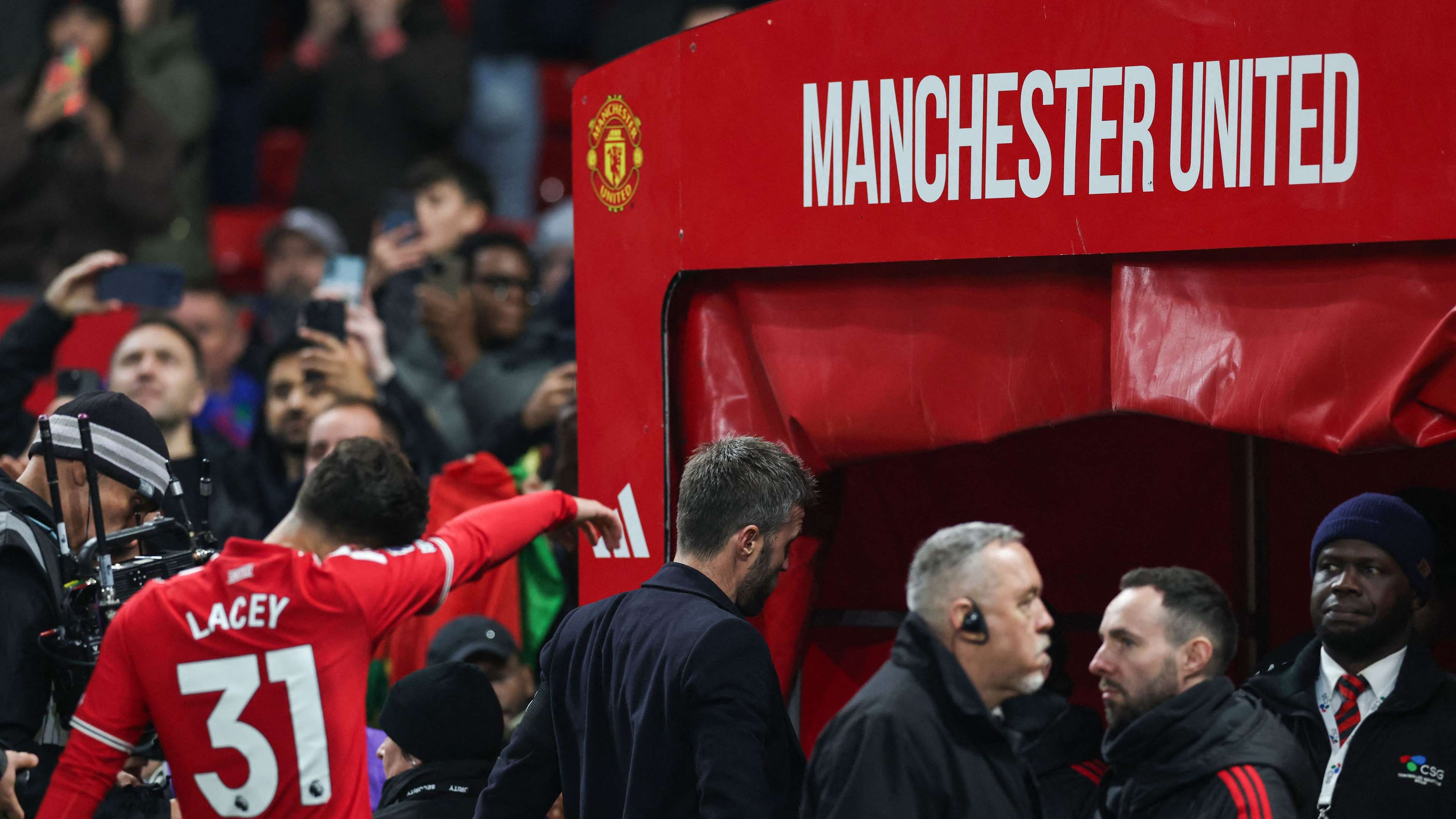
The result at Old Trafford offered plenty of goals and dramatic swings, but little relief for a side struggling to find consistency. United twice built a two-goal advantage, only to allow Villa back into the contest on both occasions. The final score meant the hosts collected a point, yet the performance raised familiar questions about their ability to protect a lead and manage pressure in the closing stages.
A worrying position in the Premier League table
United entered the November international break in 18th place in the Premier League. That is their lowest position at this stage of a season since 1986, a statistic that underlines the scale of the club’s current problems. Their run of eight league matches without a win has also become a major concern, with the club having endured a similar sequence only once before.
A single draw cannot explain the full picture. United’s struggles have developed over a run of matches in which defensive errors, inconsistent performances and missed opportunities have repeatedly undermined their efforts. Against Villa, the team showed enough attacking intent to score four times, but its inability to maintain control proved just as significant as its goals.
For supporters, the result was another example of a side capable of producing exciting football without delivering the reliability needed to climb the table. In a tightly contested Premier League season, dropped points can quickly become costly. United now face mounting pressure to turn promising spells into complete performances—and to stop opponents from exploiting weaknesses at the back.
Neville questions the summer transfer strategy
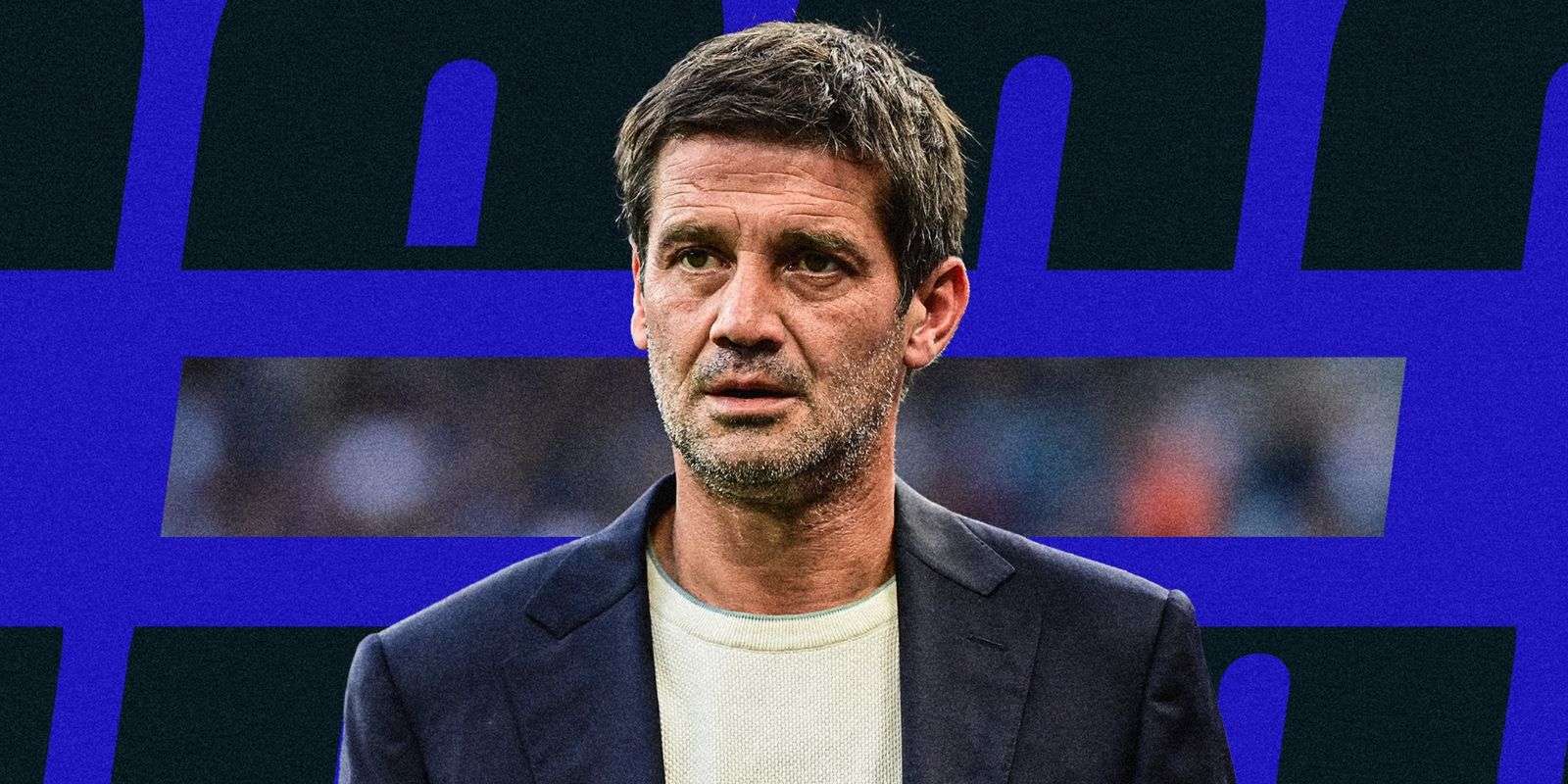
Neville’s criticism focused on United’s failure to recruit a defender during the summer. Speaking to NBC Sports, the former captain argued that the club’s defensive problems should not have come as a surprise, insisting that the need for reinforcements was clear before the campaign began.
“The reason Manchester United conceded four goals is that they didn’t invest in defence during the transfer window,” Neville said. He added that the club knew it needed defenders, while the players currently available were making too many mistakes.
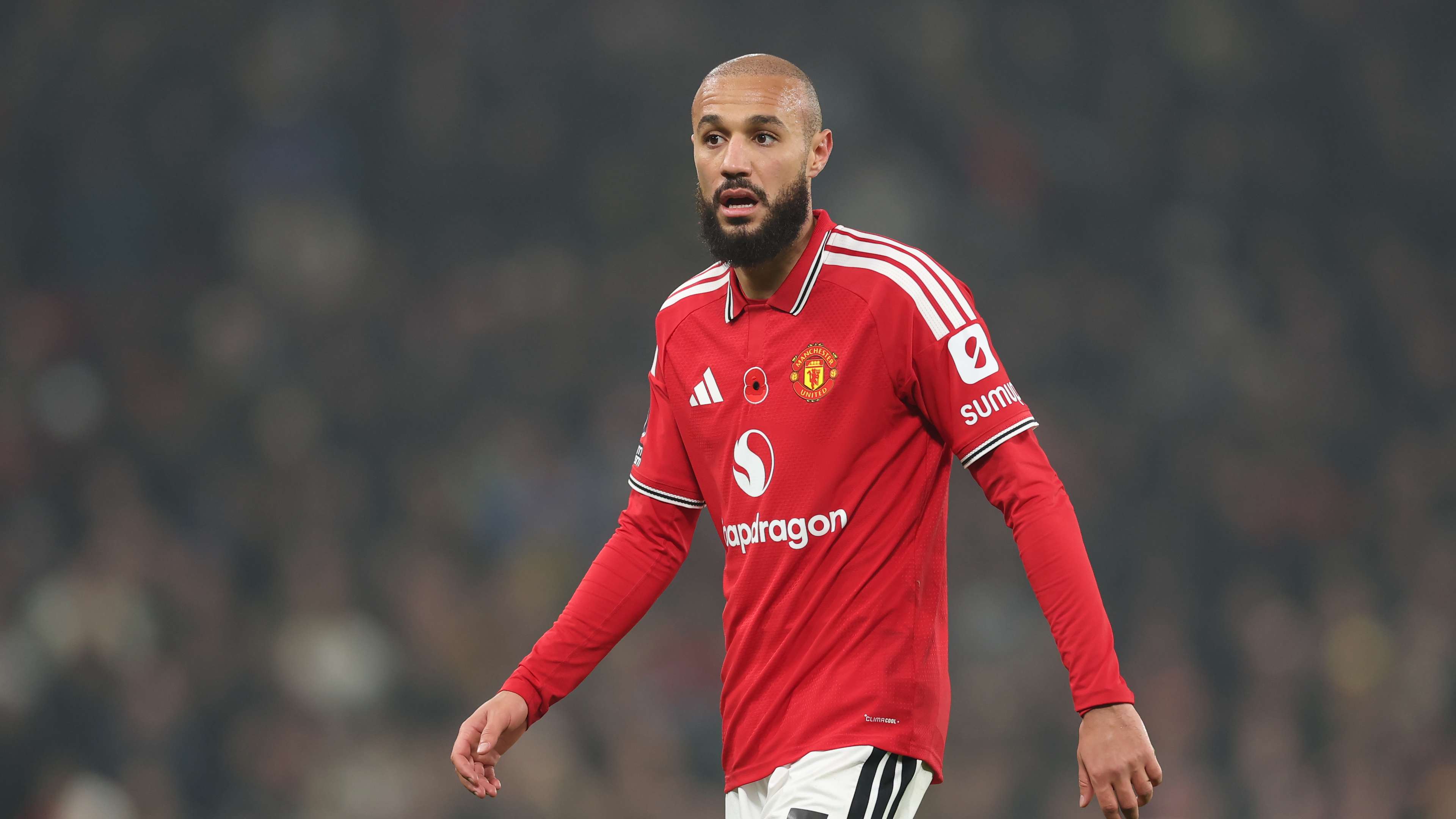
His assessment was particularly severe when he considered the four players who were in defence by the final whistle against Villa: Noussair Mazraoui, Leny Yoro, Ayden Heaven and Patrick Dorgu. Neville warned that the group, as it stands, could struggle to keep United in the top division. His comments were a forceful expression of concern rather than a literal prediction of the club’s final league position, but they reflect the seriousness of the situation.
Neville also argued that United should have been prepared to increase their transfer budget to secure the defensive signings they needed. In his view, saving money in that area has left the squad exposed at a time when results are already putting the club under pressure.
Why the defensive errors matter
Conceding four goals in one match is damaging on its own, but the pattern behind those goals matters more. When a team repeatedly gives away possession, loses its shape or fails to deal with pressure in its own penalty area, opponents are encouraged to keep attacking. Even a strong attacking performance can then be wasted, as United discovered after twice allowing Villa to erase a two-goal deficit.
Defensive stability depends on more than the names in the starting line-up. Communication, positioning, fitness and familiarity all play a role, particularly when a back four contains players with different levels of experience and time together. Young defenders may have considerable potential, but they can need support and consistency around them to develop. Frequent changes can make it harder for a defence to build the understanding required to respond quickly during difficult moments.
That context does not remove the responsibility of the players on the pitch. Neville’s criticism was directed at both the individual mistakes and the decisions that shaped the squad. United’s challenge is therefore twofold: improve the organisation of the current defence and decide whether the group has enough depth and experience to cope with the demands of the season.
What comes next for Manchester United?
The international break gives United time to review their performances, but it does not provide a quick fix. The club must find ways to reduce costly errors, protect leads and make better use of the players available. If the defensive issues persist, the pressure on the coaching staff and recruitment department is likely to grow, especially as every fixture becomes more important for a team sitting in the relegation zone.
United’s upcoming schedule will offer an early test of whether the side can respond. The team needs more than an improved scoreline: it needs a performance that shows greater concentration across the full 90 minutes. A stronger defensive display could help restore confidence, while another match featuring repeated lapses would reinforce Neville’s warning and deepen concerns among supporters.
Any football prediction about United’s season remains uncertain. The club has players capable of producing quality, and one result can change the mood around a struggling team. But recovery will require sustained improvement rather than a brief burst of attacking form. United must turn goals into points by becoming harder to break down—and the debate over whether they should have strengthened in the summer will remain central until that happens.