
AC Milan Transfer Accounts Reveal Gonçalo Ramos’ Record Salary and New Deal Costs
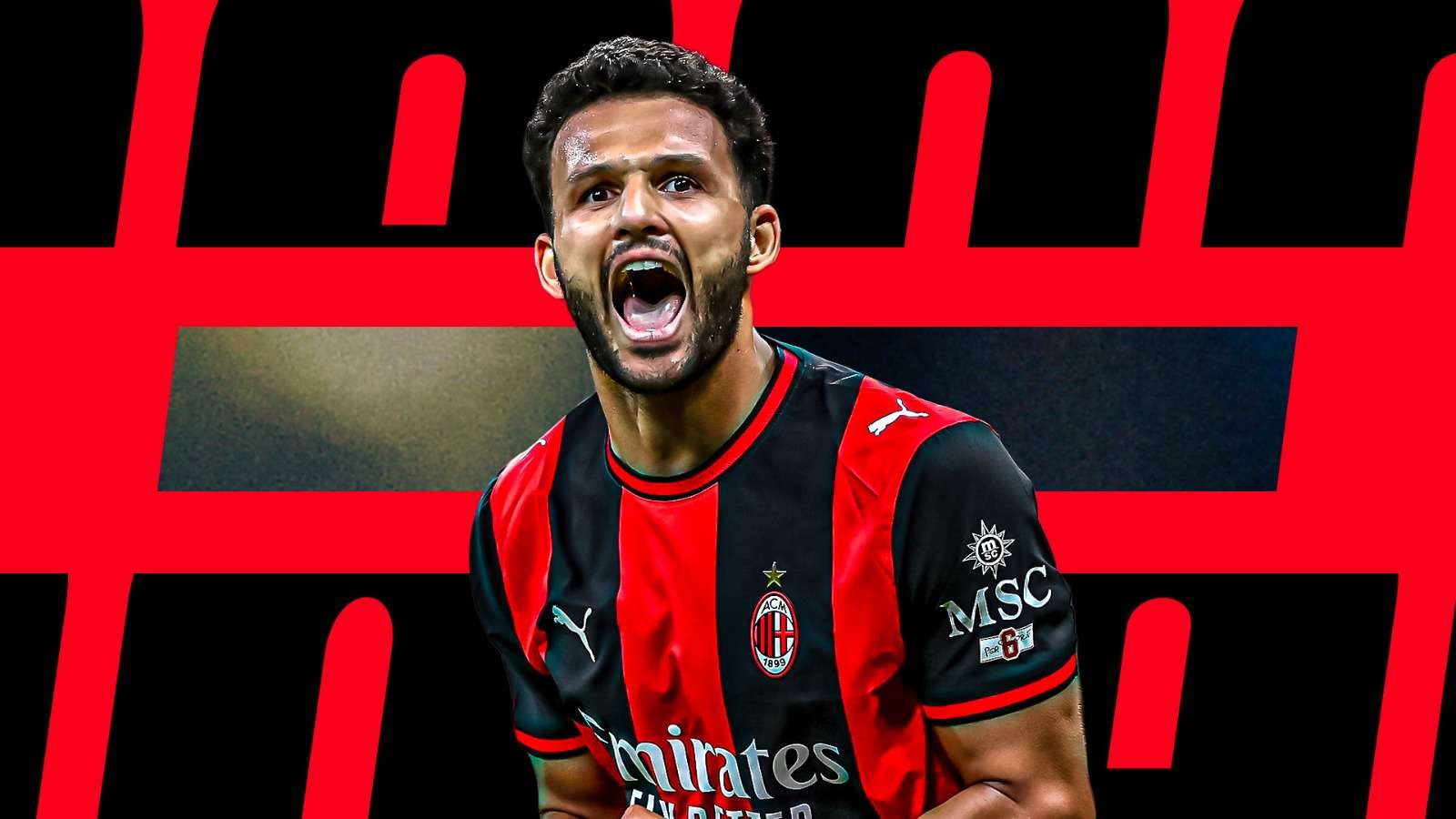
AC Milan’s financial accounts for the year ending 30 June 2026 offer a detailed look at the cost of several recent transfer deals, including the arrival of Gonçalo Ramos. The figures, reported by Radio Rossonera, cover agreements completed during Igli Tare’s time as sporting director as well as business conducted directly under club owner Gerry Cardinale.
One headline finding is that Ramos became the highest-paid player in Milan’s history, based on the salary figures recorded for the period. The accounts also show that Adrien Rabiot’s pay was lower than the compensation received by former Milan striker Djibril Cissé, while younger recruits David Odogu and Zachary Athekame arrived on comparatively modest terms.
The disclosure provides supporters with a clearer picture of how Milan are balancing major-name signings against investment in emerging talent. It also adds financial context to the club’s transfer strategy as they seek to remain competitive in Italian football and on the European stage.
What Milan’s Accounts Reveal About the Transfer Window
The published figures relate to the financial year that closed on 30 June 2026. They include costs associated with transfer deals completed by that date, but do not include bonuses that may have been activated later or could still be triggered in the future. As a result, the reported totals should be viewed as a snapshot rather than the final possible cost of every agreement.
That distinction matters in modern football, where contracts often include performance-related payments. A club may owe additional sums if a player reaches a certain number of appearances, helps secure qualification for a competition, or achieves individual targets. Such clauses can eventually increase the overall expense of a deal, even when they do not appear in the accounts for the season in which the player joined.
The accounts also span a period of change behind the scenes. While several transactions were associated with Tare’s tenure, Ramos’ arrival at Milanello was completed by 30 June, when the Albanian sporting director had already lost his authority. The deal therefore illustrates how Milan’s transfer activity continued across a shift in decision-making responsibilities.
Gonçalo Ramos Sets a New Salary Benchmark
Ramos’ reported status as Milan’s highest-paid player represents a significant commitment from the club. Bringing in a high-profile forward can strengthen a team’s attacking options, but it also places expectations on both the player and the wider squad. Supporters will naturally look for goals, consistent performances and an ability to influence important matches.
For Milan, the investment is about more than a player’s reputation. A centre-forward can shape the team’s tactical approach by offering a focal point in the penalty area, creating space for attacking midfielders and giving the side a reliable outlet when building play. If Ramos adapts quickly to Serie A, his presence could help Milan become more dangerous in tight matches and improve their prospects in domestic and European competition.
However, a salary record also brings added scrutiny. The value of the deal will ultimately be judged through performances over time, not simply by the size of the contract. Fans and analysts will assess his contribution through goals and assists, but also through his movement, pressing, link-up play and availability across a demanding season.
Rabiot’s Pay Compared With Djibril Cissé
Another notable detail is that Rabiot’s reported salary was lower than the compensation paid to Cissé during the former striker’s time at Milan. The comparison provides an unusual historical reference point, highlighting how player wages can vary considerably between eras, roles and contract structures.
A salary comparison alone does not tell the full story. The length of a contract, signing payments, bonuses, tax arrangements and the circumstances of a player’s arrival can all affect the total financial commitment. Still, the figures suggest that Milan’s wage structure cannot be understood simply by looking at a player’s profile or public standing.
Rabiot’s experience and versatility could make him valuable in midfield, where tactical discipline and physical presence are often just as important as headline statistics. His role may be measured by how effectively he helps Milan control matches, protects the defence and supports the team’s attacking transitions.
Odogu and Athekame Reflect a Different Type of Investment
The accounts also include deals for David Odogu and Zachary Athekame, whose reported costs are more modest than the commitment associated with Ramos. Their arrivals point to another strand of Milan’s recruitment strategy: identifying younger players who could develop into first-team contributors over time.
Investing in emerging talent carries its own risks. Young signings may need time to adjust to a new league, language, training environment and level of expectation. Yet, if they progress, such players can offer valuable depth, strengthen competition for places and potentially become important assets for the club.
For supporters, the key question will be how quickly Odogu and Athekame can make an impact. Regular minutes may depend on their development, the needs of the squad and the coaching staff’s assessment of their readiness. Their progress could also influence future transfer decisions, particularly if Milan can fill positions internally rather than relying exclusively on expensive established players.
What the Figures Could Mean for Milan’s Football Plans
The newly available information offers a useful lens through which to assess Milan’s broader approach to recruitment. A record salary for a proven attacking name, a significant midfield addition and lower-cost deals for younger players suggest a strategy that combines immediate ambition with longer-term planning.
That balance is increasingly important for clubs competing at the highest level. Transfer spending must support the manager’s tactical requirements while remaining sustainable within the club’s financial framework. Recruitment decisions also need to account for squad depth, player development and the possibility that performance bonuses may raise costs in later reporting periods.
For fans looking ahead, the figures may inform discussion and prediction about Milan’s prospects, but they cannot determine results on their own. The decisive factors will be how the new arrivals fit together, whether the team stays consistent and how effectively the coaching staff turns individual quality into collective performance.
As the shareholders’ meeting reviews the accounts, the numbers provide more than a record of past transactions. They reveal the scale of Milan’s commitment to Ramos, place Rabiot’s remuneration in historical context and show the club’s willingness to invest in promising younger players. The next test will be on the pitch, where those financial decisions must translate into stronger performances, meaningful progress and success in football’s most demanding competitions.