
Nawaf Al-Aqidi’s elbow surgery puts Saudi Arabia’s Asian Cup plans in focus
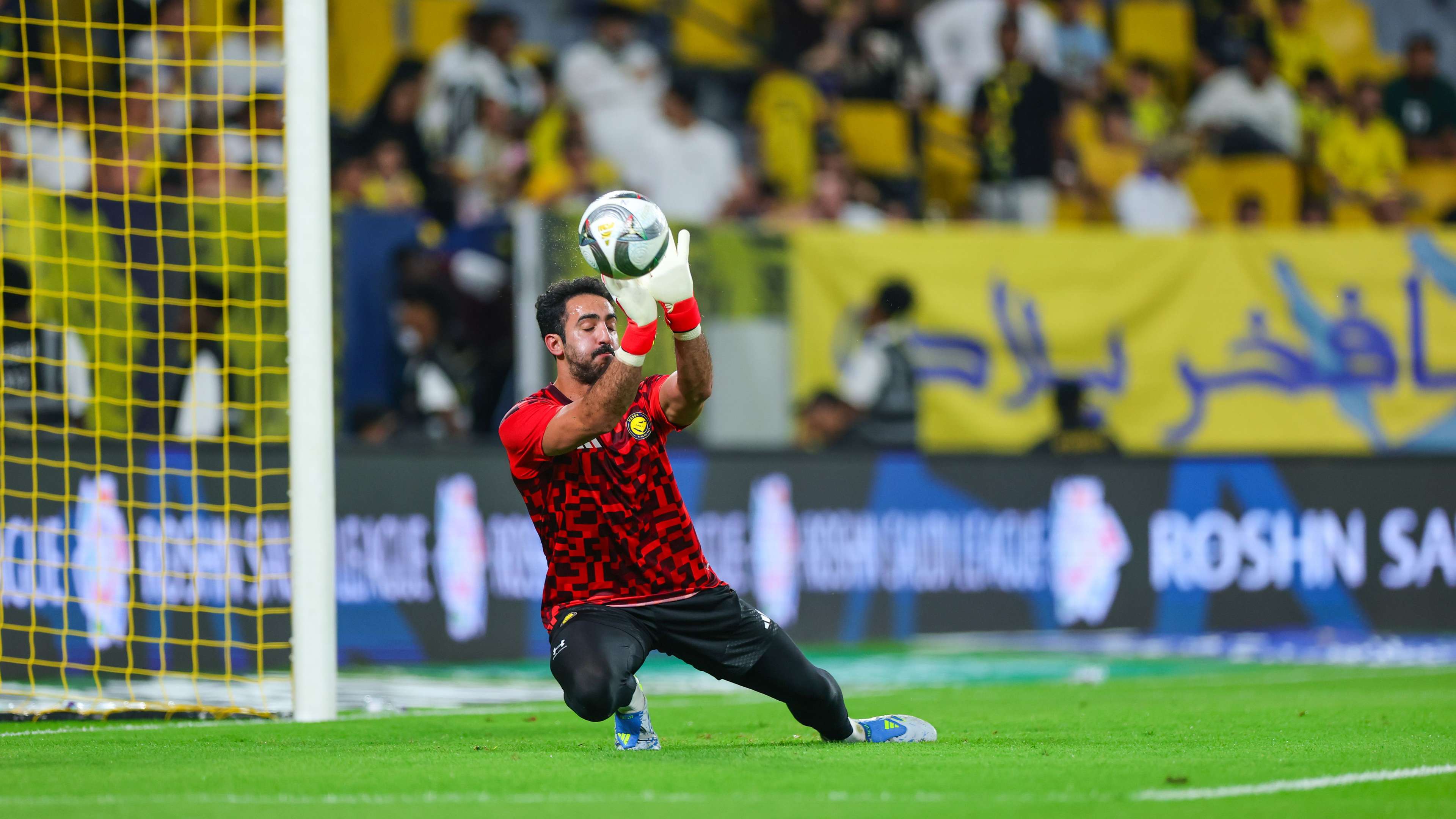
Saudi Arabia goalkeeper Nawaf Al-Aqidi has chosen surgery to treat an elbow injury, a decision that could affect his availability for Al-Nassr and the national team in the months ahead. The procedure is expected to be carried out in London, with rehabilitation to follow. While the full recovery timetable has not been confirmed, the choice of surgery has raised questions about whether the goalkeeper will be fit for the 2027 AFC Asian Cup.
Al-Aqidi suffered the injury while representing Saudi Arabia at the Arabian Gulf Cup, also referred to in reports as “Gulf 27.” The problem emerged during the opening group-stage match against Kuwait. Since then, the goalkeeper has undergone medical assessments in London to determine the most suitable course of treatment.
Why Al-Aqidi chose surgery
According to Saudi newspaper Arriyadiyah, doctors presented Al-Aqidi with two options. One was a conservative rehabilitation programme that could have allowed him to return to the pitch in around four weeks. However, that approach carried a risk: the pain could return once he resumed training or competitive football.
The second option was surgery, followed by a structured recovery programme. Al-Aqidi has opted for that route, prioritising a more definitive treatment over the possibility of a quicker comeback. Al-Nassr confirmed on Wednesday evening that their Saudi goalkeeper would undergo an operation on his elbow in London on Friday.
The decision reflects the difficult balance injured athletes often face. A short-term return may appear attractive, particularly during a busy season, but playing through unresolved pain can affect performance and potentially prolong an injury. Surgery can offer a clearer treatment plan, although it may also mean a longer spell away from matches. The precise recovery period will depend on the procedure and how Al-Aqidi responds during rehabilitation.
What the injury could mean for Al-Nassr
For Al-Nassr, the immediate priority will be managing the goalkeeper’s absence and ensuring he can recover without unnecessary pressure to return too soon. The club’s schedule includes Saudi Pro League fixtures, where squad depth and consistency can become especially important as the season progresses.
Al-Aqidi’s availability matters beyond his role between the posts. Goalkeepers need time to rebuild confidence, sharpness and match rhythm after an injury, and elbow recovery can require particular care because the joint is involved in catching, throwing and absorbing contact. Even after medical clearance, a player may need a gradual return to full training before being considered ready for competitive football.
Al-Nassr have not announced a detailed return date. Until further information is provided by the club or the medical team, any prediction about when Al-Aqidi will play again should be treated cautiously. His progress through surgery and rehabilitation will offer a more reliable indication than early estimates.
Asian Cup participation remains uncertain
The injury has also placed Al-Aqidi’s international future in the spotlight. Saudi Arabia are scheduled to host the 2027 AFC Asian Cup from 7 January to 5 February 2027. The tournament is a major target for the national team, and the fitness of an established goalkeeper could be an important factor in preparations.
At this stage, however, it is too early to conclude that Al-Aqidi will miss the competition. The length of his recovery has not been made public, and there is a substantial period between the planned operation and the tournament dates. His chances will depend on the medical findings, the success of rehabilitation and whether he can return to regular club football in time to regain form.
For Saudi Arabia, the situation creates a selection question rather than an immediate answer. National-team coaches may need to monitor other goalkeepers and consider contingency plans, while leaving the door open for Al-Aqidi if he recovers well. A player’s match fitness, not simply medical availability, is likely to shape any final decision.
Questions over the tournament’s location
There has also been speculation in media reports about whether the 2027 Asian Cup could be postponed or moved outside Saudi Arabia because of circumstances that may affect the country’s ability to host the event. No change to the tournament’s schedule or location is confirmed in the information available, so the competition remains scheduled for Saudi Arabia in January and February 2027.
Any official decision about the host arrangements would be separate from Al-Aqidi’s recovery, but the uncertainty has added another layer to the discussion around the goalkeeper’s prospects. For now, the most concrete development is his decision to undergo surgery. The tournament’s status and the player’s eventual fitness should be assessed as new information emerges.
A cautious prediction for the coming months
The safest prediction is that Al-Aqidi’s return will be determined by his post-operative progress rather than a fixed date announced in advance. Surgery may reduce the risk of recurring pain, but it does not guarantee a rapid comeback. Al-Nassr and Saudi Arabia will likely take a measured approach, particularly given the demands placed on a goalkeeper’s elbow during training and matches.
Supporters will be watching for updates from Al-Nassr, especially details about the operation and the start of rehabilitation. Until those updates arrive, the Asian Cup remains a possibility rather than a certainty for the goalkeeper. Al-Aqidi has chosen a treatment path aimed at addressing the injury properly; the next challenge will be completing recovery, rebuilding match fitness and returning to football at the right time.