
Saudi Pro League’s Big Four Record More Than €1 Billion in Player-Value Losses
Saudi Arabia’s ambitious football spending has brought global stars, raised the league’s profile and transformed the transfer market. But a new study suggests that the financial cost of building its leading teams has been enormous: Al Hilal, Al Nassr, Al Ahli and Al Ittihad have recorded combined player-related losses of approximately €1.04 billion over the five-year period examined.
The figures come from the International Centre for Sports Studies (CIES), which assessed the difference between what clubs paid for players and the value they later recovered—or retain in their current squads. The results place all four Saudi giants among the six clubs with the biggest losses worldwide, highlighting the risks behind football’s most eye-catching recruitment drive.
How CIES calculated the losses
The study considers two separate measures. The first is the gap between a club’s transfer spending and the fees it received when players were sold. The second compares the original cost of players still at the club with their estimated current market value.
These figures are best understood as an assessment of player-asset value, rather than a complete account of a club’s finances. They do not, by themselves, reveal the full cost of wages, signing bonuses, commercial income or the wider benefits of attracting high-profile players. Nor does a market-value estimate necessarily mean a club could sell a player for that exact amount.
The timeframe is also important. CIES focused on the five years leading up to the study, with particular attention to transfer activity from the summer of 2022. That window offers a snapshot of a period when Saudi clubs were preparing for—and then accelerating—their push to recruit internationally recognised talent.
Al Hilal lead the global ranking
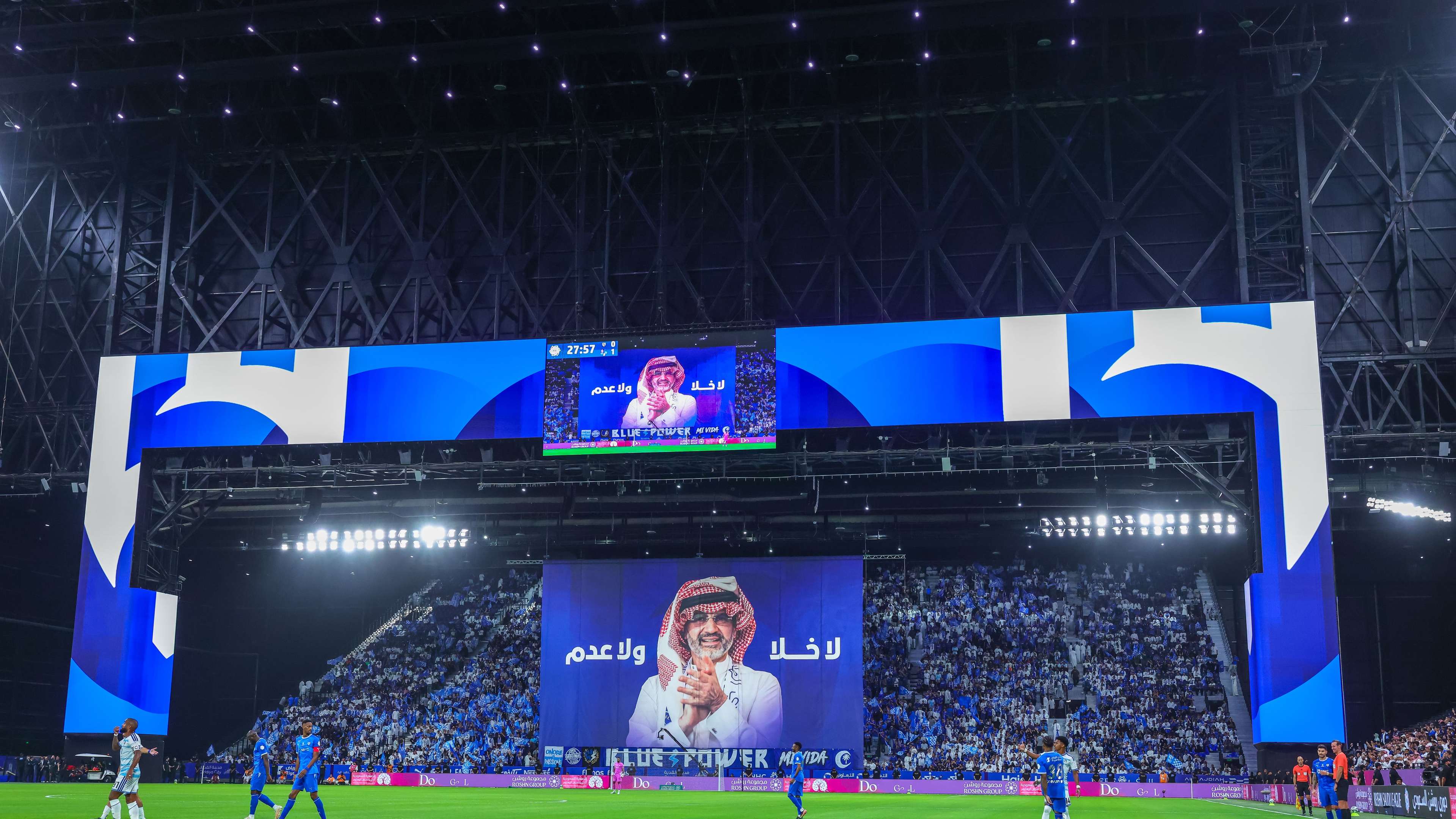
Al Hilal sit at the top of the list, with estimated player-related losses of €502 million, the highest total recorded by any club in the study. The figure is divided between €315 million attributed to transfer dealings and €187 million linked to the difference between the cost of players still in the squad and their estimated current market value.
That result reflects the scale of Al Hilal’s investment as well as the difficulty of maintaining the value of an expensive squad. Player prices can fall for many reasons, including age, injuries, contract length, changing demand and the limited number of clubs able to meet a high transfer fee. A costly signing may still deliver trophies and attention while becoming less valuable in resale terms.
Manchester United are second, with reported losses of €405 million. Their presence near the top shows that the challenge is not unique to Saudi football: established European clubs also face steep costs when recruitment decisions fail to produce strong resale value or sustained performance.
Three more Saudi clubs feature in the top six
Al Nassr rank third with €229 million in losses, followed by Tottenham on €188 million. Al Ittihad are fifth at €175 million, while Al Ahli complete the top six with €134 million.
Together, the four Saudi clubs’ totals reach roughly €1.04 billion. The concentration of Saudi teams near the top of the ranking underlines how quickly the league’s leading sides have expanded their squads and pursued players with international reputations. It also illustrates the financial exposure that comes with building a competitive team through expensive transfers.
However, the numbers should not be read as a simple verdict on whether the strategy has succeeded. Transfer spending can serve several purposes at once: improving results, attracting supporters, raising broadcast interest and increasing the league’s visibility overseas. Those benefits may not appear in a player-value calculation, even when they contribute to a club’s wider ambitions.
Big spending brings a different kind of football prediction
For fans following the Saudi Pro League, the study adds a new dimension to any football prediction about the competition’s future. The biggest question is no longer only which club can sign the next superstar, but whether the leading teams can turn heavy investment into sustained success, stronger squad planning and more balanced spending.
High-profile arrivals can lift a team immediately, but long-term progress usually depends on more than individual names. Clubs need depth across the squad, a clear tactical identity, effective coaching and recruitment that fits the team’s style. They must also plan for what happens when a player’s form declines or a contract approaches its end.
Market value is particularly difficult to manage when a squad includes older players or footballers whose salaries and transfer fees limit the number of potential buyers. A club may still regard such players as essential, but their resale value can shrink quickly. That creates a tension between recruiting for immediate impact and building assets that retain value over time.
What the figures could mean for the transfer market
The scale of the reported losses may influence how Saudi clubs approach future windows. Rather than relying exclusively on expensive, established stars, teams could place greater emphasis on younger players, contract strategy and targeted recruitment. Developing talent and selling players at the right moment can help reduce the gap between spending and eventual value.
At the same time, the league’s financial objectives may extend beyond transfer profits. A stronger domestic competition can support long-term sporting and commercial goals, even if the accounting value of individual players declines. The key test will be whether investment produces lasting improvements in competitiveness, audience engagement and the development of the broader football ecosystem.
CIES’s ranking therefore offers a striking but partial view of the Saudi Pro League’s transformation. Al Hilal, Al Nassr, Al Ahli and Al Ittihad have spent on a scale that has reshaped the global conversation about football transfers. Their combined €1.04 billion in estimated player-value losses shows the price of that rapid expansion—but whether the spending ultimately represents a costly gamble or a strategic investment will depend on what these clubs build next.