
Jack Grealish’s Everton Future: Could Aston Villa’s Emotional Pull Be Enough?
Jack Grealish’s next career move is already attracting attention, even though his Manchester City contract is not due to expire until the summer of 2027. The England international is spending a second loan spell at Everton, where he has the chance to rebuild momentum and establish himself as a key figure on Merseyside. But with Aston Villa still closely associated with his rise to prominence, speculation about a possible return to his boyhood club is unlikely to disappear.
Former Everton forward Pat Nevin has offered a measured view of the situation. While Grealish’s connection with Villa is powerful, Nevin believes sentiment alone may not be enough to persuade the winger to leave Everton. His assessment highlights the competing forces that could shape Grealish’s future: loyalty, playing time, career ambition and the practical realities of a major transfer.
From record-breaking transfer to a fresh opportunity
Grealish joined Manchester City from Aston Villa in 2021 in a deal worth a reported £100 million ($133 million), then a British transfer record. The move represented a dramatic change in surroundings for a player who had become the face of Villa’s revival and one of English football’s most recognisable attacking talents.
At City, Grealish became part of a squad built to compete for trophies across multiple competitions. He contributed to the club’s success, including its historic treble-winning campaign, but the depth of talent at the Etihad has made regular starts difficult to secure. For an attacking player whose game relies on confidence, rhythm and freedom to influence matches, consistent minutes can be just as important as the quality of the team around him.
That context has made his loan spells significant. A temporary move gives Grealish the chance to play more regularly without immediately ending his long-term contract with City. His second loan spell at Everton offers a different challenge from life at the Etihad: a club with a passionate fan base, a demanding Premier League schedule and a strong need for creative players who can change the course of a game.
Why Everton could appeal beyond the short term
Everton may not offer the same immediate prospect of competing for the biggest honours as Manchester City, but the club can provide something Grealish needs: a central role. If he is trusted to start and given responsibility in the final third, he can become a focal point rather than one option among several elite attackers.
His strengths are well suited to a team that needs to progress the ball under pressure. Grealish is capable of drawing defenders towards him, winning free kicks and creating space for teammates. Those qualities can be particularly valuable in tightly contested football matches, where a moment of individual skill or a well-timed pass may decide the outcome.
Regular involvement could also help him restore the sharpness required to challenge for a place in England’s plans. For any international player, club form matters: consistent appearances, strong performances and fitness all influence selection. A productive spell at Everton would therefore serve a purpose beyond the club campaign, giving Grealish a platform to demonstrate that he can still make a decisive impact at the highest level.
Villa’s emotional connection remains difficult to ignore
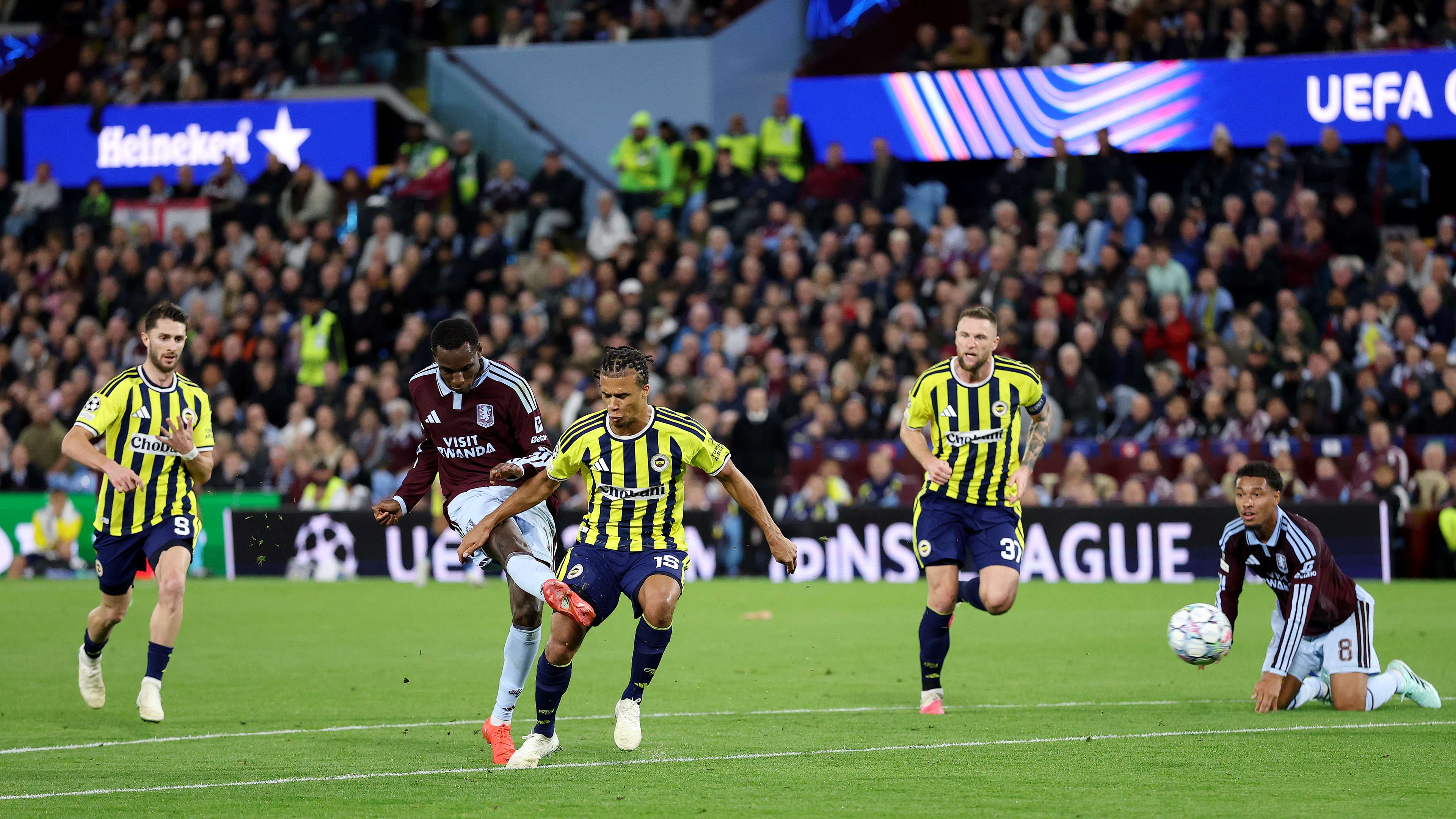
Aston Villa would naturally be part of any discussion about Grealish’s future. He came through the club’s system, captained the team and became closely identified with its supporters. His departure for City was a major moment in Villa’s modern history, and a return would carry a compelling emotional narrative.
That history, however, does not automatically make a reunion the most likely outcome. Nevin’s view is that the attraction of going back to Villa may not outweigh what Grealish is experiencing at Everton. A player’s decision is rarely based on nostalgia alone. The available role, the manager’s plans, the club’s ambitions and the prospect of sustained playing time are all likely to matter.
Villa’s own progress also changes the picture. The club has grown in stature and ambition since Grealish left, meaning a return would not simply be a sentimental homecoming. It would involve a competitive squad, expectations to deliver and questions about where he would fit. Any move would need to make footballing sense for both the player and the club.
Contract timing gives Grealish and City important leverage
Grealish’s Manchester City deal runs until the summer of 2027, so he is not approaching free-agent status immediately. That distinction is important. A club interested in signing him before the contract expires would likely need to negotiate a transfer, while City must weigh the value of retaining him against the financial and sporting benefits of a sale.
The final year of a contract can increase pressure on a club to make a decision, but the outcome depends on several factors. Grealish’s performances on loan, his fitness, City’s squad needs and the level of interest from other teams could all influence the market. If he impresses at Everton, his options may expand. If his opportunities remain limited, a permanent move could become more appealing to every party.
There is also the possibility of another loan, although that would depend on City’s plans and Grealish’s own preference. A temporary arrangement can postpone a major decision, but it may not provide the long-term certainty a player needs at this stage of his career.
What to watch next
The most useful measure of Grealish’s prospects will be his contribution on the pitch, rather than speculation about a future destination. His minutes, fitness and influence in Everton’s attacking play will help determine whether the loan becomes a convincing argument for a permanent stay. Goals and assists matter, but so do the less obvious signs: how often he receives the ball in dangerous areas, whether he creates chances and how consistently he affects matches.
For supporters following the transfer story, the key football prediction is that Grealish’s future will remain open until his performances and the clubs’ plans become clearer. Everton could offer stability and a prominent role; Villa could provide a powerful personal connection; and Manchester City still hold the contractual rights to a player signed for a historic fee.
Nevin’s comments suggest that Everton should not be treated as merely a temporary stop on the way back to Villa. Grealish may ultimately be drawn by his history with the Midlands club, but the strongest decision will be the one that supports his footballing ambitions. For now, his second spell on Merseyside gives him an opportunity to shape the next chapter himself—and to show that his most influential years may still lie ahead.