
Al-Ahli Saudi Arabia Faces Turmoil as Leadership Changes Shake Club’s Stability
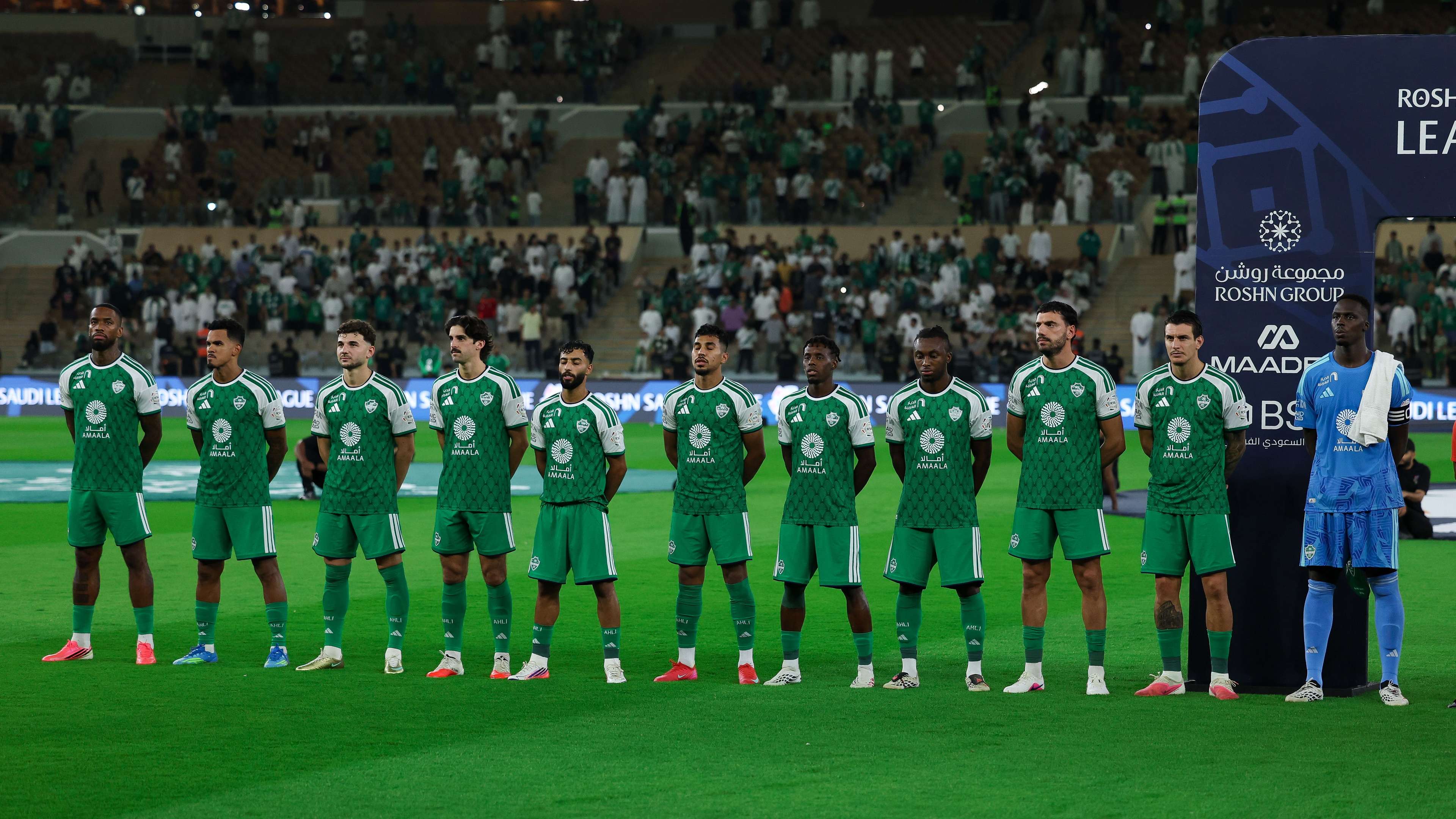
The recent weeks have been tumultuous for Al-Ahli Saudi Arabia, one of the most storied clubs in the Saudi Pro League. Known for their passionate fanbase and rich history, the club is currently embroiled in a series of administrative upheavals that threaten to derail their season and future plans. The latest developments involve the abrupt resignation of Osama Hawsawi, the club’s acting sporting director, just days after stepping into the role — a situation that has raised serious questions about the club’s stability and strategic direction.
Background: A Season Marked by Uncertainty and Fan Discontent
Al-Ahli’s recent struggles on the pitch have been compounded by internal management issues. The club’s decision to part ways with their former sporting director, Portugal’s Roi Pedro, was driven by a combination of poor results and mounting dissatisfaction among fans and club stakeholders. Pedro’s departure marked a significant shift in the club’s sporting strategy, signaling an attempt to recalibrate and improve team performance ahead of the demanding Saudi Pro League schedule.
Following Pedro’s exit, Osama Hawsawi was appointed as the interim sporting director, tasked with steering the club through this transitional phase. Hawsawi, a former player and respected figure within Saudi football circles, was seen as a stabilizing presence capable of bridging the gap until a permanent appointment could be made. However, his tenure has been surprisingly brief, punctuated by unexpected resignation and ongoing management disputes.
The Unexpected Resignation of Osama Hawsawi
According to reports from the reputable Saudi newspaper Al-Riyadiah, Hawsawi’s resignation came swiftly after assuming his role, creating a fresh wave of uncertainty. Sources indicate that the decision was driven by disagreements with the club’s management over key decisions affecting the first team, as well as frustrations over the limitations placed on his authority.
Additional insights from Okaz newspaper suggest that Hawsawi’s departure was fueled by a clash of visions with senior management, particularly concerning recruitment strategies, tactical planning, and overall team management. It is understood that Hawsawi was not granted the full authority necessary to implement his plans effectively, leading to a breakdown in communication and confidence within the club’s hierarchy.
What Led to the Turmoil? Analyzing the Underlying Causes
The turmoil at Al-Ahli is emblematic of broader issues within the club’s administrative structure. Several factors have contributed to the current crisis:
- Poor Results and Expectations: The club’s recent performance has fallen short of fans’ and stakeholders’ expectations, creating pressure for quick fixes and managerial changes.
- Management Disputes: Disagreements over transfer policies, tactical approaches, and long-term planning have created friction between coaching staff, players, and management.
- Leadership Instability: Frequent changes in key roles, such as the sporting director position, undermine continuity and strategic coherence.
- Fan Discontent: The passionate fanbase’s dissatisfaction has intensified calls for stability and clarity in leadership, adding to the club’s internal challenges.
Implications for the Club’s Future and Predictions
The abrupt departure of Hawsawi leaves Al-Ahli at a crossroads. The club now faces the urgent task of reorganizing its sporting management structure amidst ongoing competitions. The immediate challenge is to appoint a new sporting director or a stabilization team that can restore confidence and establish a clear vision for the team’s development.
From a football prediction perspective, the instability in club leadership often impacts team performance. Consistent managerial and sporting staff are crucial for developing tactical cohesion, player morale, and strategic transfers. Given the current chaos, predictions for Al-Ahli’s upcoming fixtures are less optimistic, especially if the club cannot quickly establish a stable administrative framework.
Analysts suggest that the club’s fortunes will depend heavily on their ability to make decisive leadership choices in the coming weeks. A clear, unified direction can help the team refocus on the pitch and improve results, which in turn may influence betting predictions and fan expectations for the rest of the season.
Looking Ahead: The Road to Stability
Al-Ahli’s management faces an urgent imperative to address the leadership vacuum. The club’s board must swiftly identify a capable sporting director who can lead the team’s sporting strategy, oversee transfers, and coordinate with coaching staff to ensure tactical consistency. Additionally, fostering open communication channels and aligning visions across all levels of management will be essential to rebuild trust and stability.
Furthermore, this period of upheaval underscores the importance of strategic planning and robust governance in football clubs operating within competitive leagues like the Saudi Pro League. Clubs that can adapt quickly to internal challenges and maintain strategic focus often emerge stronger, while those mired in chaos risk falling behind both domestically and continentally.
Final Thoughts: The Significance of Leadership in Football Predictions
In the realm of football predictions, leadership stability is often a key factor influencing team performance and match outcomes. As Al-Ahli navigates this turbulent period, football enthusiasts and betting communities will be closely watching how the club manages its internal crisis. The ability to restore organizational stability may well be the decisive element that determines the club’s trajectory in the upcoming fixtures.
While the current situation is challenging, it also offers an opportunity for the club to reevaluate its strategies, reinforce its management structure, and set a new course for success. For fans and analysts alike, the coming weeks will be critical in shaping the future of Al-Ahli — both on and off the pitch.
Conclusion
Al-Ahli’s recent leadership upheavals highlight the delicate balance required to maintain stability in football clubs competing at high levels. The resignation of Osama Hawsawi, shortly after stepping into his role as acting sporting director, underscores the complexities of club management amid high expectations and internal disagreements. As the Saudi football scene continues to evolve, the club’s ability to navigate this crisis will serve as a case study in effective leadership, strategic planning, and resilience — all crucial factors that influence football predictions and the club’s prospects in the competitive landscape.