
Saudi Arabia Football Prediction: Examining the Future of Abdullah Al-Hamdan Under New Coaching Strategies
The landscape of Saudi Arabian football is continuously evolving, with coaching decisions often playing a pivotal role in shaping the fortunes of the national team. Recently, a surprising and candid statement from legendary Saudi footballer Mohammed Noor has sparked discussions about the future of promising striker Abdullah Al-Hamdan. As the nation prepares for upcoming international fixtures, including the Gulf Cup, understanding the dynamics between coaching choices, player psychology, and strategic prediction is more crucial than ever.
Mohammed Noor’s Bold Criticism: A Wake-Up Call for Saudi Football
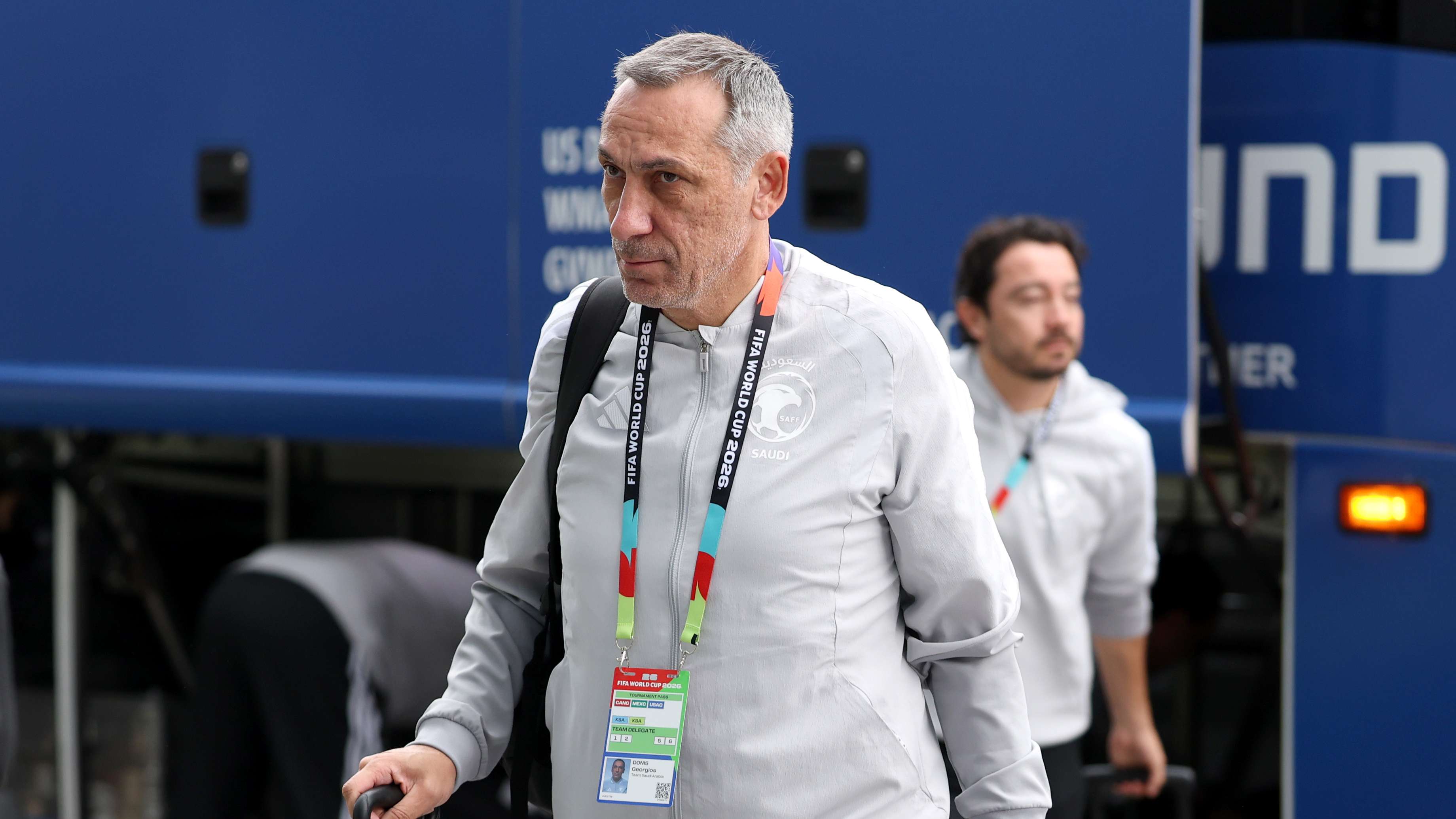
Mohammed Noor, renowned for his illustrious career with Al-Ittihad and his contributions to the Saudi national team, recently voiced concerns that have resonated across the football community. During his appearance on the popular sports program “Nadina,” Noor criticized Greek head coach Georgios Donis for his decision to exclude Abdullah Al-Hamdan from the starting lineup in the ongoing Gulf Cup campaign. Noor argued that such a decision might inadvertently harm the young striker’s psychological well-being, especially considering his recent struggles on the pitch.
Understanding the context: Al-Hamdan, a talented and promising forward, has faced intense criticism following a challenging match against Kuwait. The pressure placed on him after that game has not only affected his confidence but also raised questions about how coaching staff are managing player mental health amidst high-stakes tournaments.
Why Psychological Support Is Vital for Player Performance
In modern football, the significance of psychological resilience cannot be overstated—particularly for young players like Abdullah Al-Hamdan. Noor emphasized that at this delicate stage of the Gulf Cup, Al-Hamdan requires genuine psychological support and an opportunity to rebuild his confidence. Removing him from the starting lineup without addressing his mental state could exacerbate his struggles and hinder his overall performance.
The decision to bench a key player should be balanced with strategic and empathetic considerations, especially when dealing with players in a vulnerable phase of their development. Noor’s insights underscore the importance of psychological management in football prediction models, as mental strength often influences on-field outcomes as much as technical skill.
Strategic Football Prediction: The Impact of Lineup Choices on Saudi Arabia’s Campaign
Looking ahead, the prediction for Saudi Arabia’s success in the Gulf Cup hinges on tactical decisions made by the coaching staff. Noor’s expectation was that Al-Hamdan would start alongside Firas Al-Buraikan against Oman, providing a fresh offensive threat and an opportunity for the young striker to showcase his abilities. Such decisions are not merely about player selection but also about fostering confidence and momentum—elements crucial for a positive football prediction outcome.
In their recent matches, Saudi Arabia’s options at the centre-forward position have been somewhat limited, with only three main strikers available: Firas Al-Buraikan, Abdullah Al-Hamdan, and Abdullah Al-Salem. Each player brings unique qualities to the table, and maintaining a competitive edge requires strategic rotation and mental support to keep these attacking options sharp and motivated.
The Role of Coaching and Player Morale in Football Prediction Models
Effective coaching strategies that prioritize player mental health and morale can significantly influence the prediction of match outcomes. When players are confident and psychologically prepared, their performance tends to improve, leading to more favorable predictions for team success. Conversely, neglecting the mental well-being of key players can introduce unpredictability and risk to the team’s chances.
Georgios Donis’s management style and decision-making process are under scrutiny, especially as the team navigates the complexities of tournament pressure. The upcoming fixtures, such as the match against Iraq scheduled for 30 September at 1:30 PM, will serve as critical benchmarks to assess how well the team can adapt and perform under various tactical and psychological conditions.
Additional Context: The Significance of the Gulf Cup for Saudi Football
The Gulf Cup remains a highly prestigious tournament for Middle Eastern football, serving as a key platform for talent development, national pride, and strategic prediction for future tournaments like the AFC Asian Cup and World Cup qualifiers. Success in this competition can boost team morale, improve FIFA rankings, and elevate the profile of players like Abdullah Al-Hamdan on the international stage.
For Saudi Arabia, the Gulf Cup is also an opportunity to evaluate young talent and test new tactical approaches. The decisions made by coaches during this period will influence not only the immediate prediction of match outcomes but also the long-term development of the national team.
Final Thoughts: The Road Ahead for Saudi Football and Player Development
As the Saudi national team continues its campaign in the Gulf Cup, the focus must remain on strategic prediction, balancing tactical brilliance with psychological resilience. Mohammed Noor’s critique highlights the importance of caring for players beyond their physical performance—mental health and confidence are equally vital components of success.
With only three main strikers available, the pressure on coaches like Georgios Donis is immense. Ensuring that players like Abdullah Al-Hamdan are given the right environment to thrive could be the difference between a successful campaign and an early exit. The upcoming fixtures will not only test the team’s tactical adaptability but also serve as a barometer for how well they can navigate the psychological challenges inherent in international football.
Ultimately, accurate football prediction depends on multiple factors—player morale, tactical flexibility, coaching decisions, and mental resilience. As Saudi Arabia aims to elevate its standing in Asian football, understanding and integrating these elements will be crucial for future success, both on and off the pitch.
Conclusion
The future of Saudi football, particularly in the context of upcoming tournaments like the Gulf Cup, hinges on strategic decisions that prioritize both skill and psychological well-being. Mohammed Noor’s candid critique serves as a reminder that behind every prediction lies the human element—players’ minds and spirits that can make or break the team’s chances. As fans and analysts continue to follow the team’s journey, the emphasis must remain on holistic development, ensuring that every player, especially emerging talents like Abdullah Al-Hamdan, receives the support needed to succeed at the highest level.