
Atlético Madrid Responds to Real Madrid’s Post-Derby Protest: A Deep Dive into the Controversy and Its Implications for Football Prediction
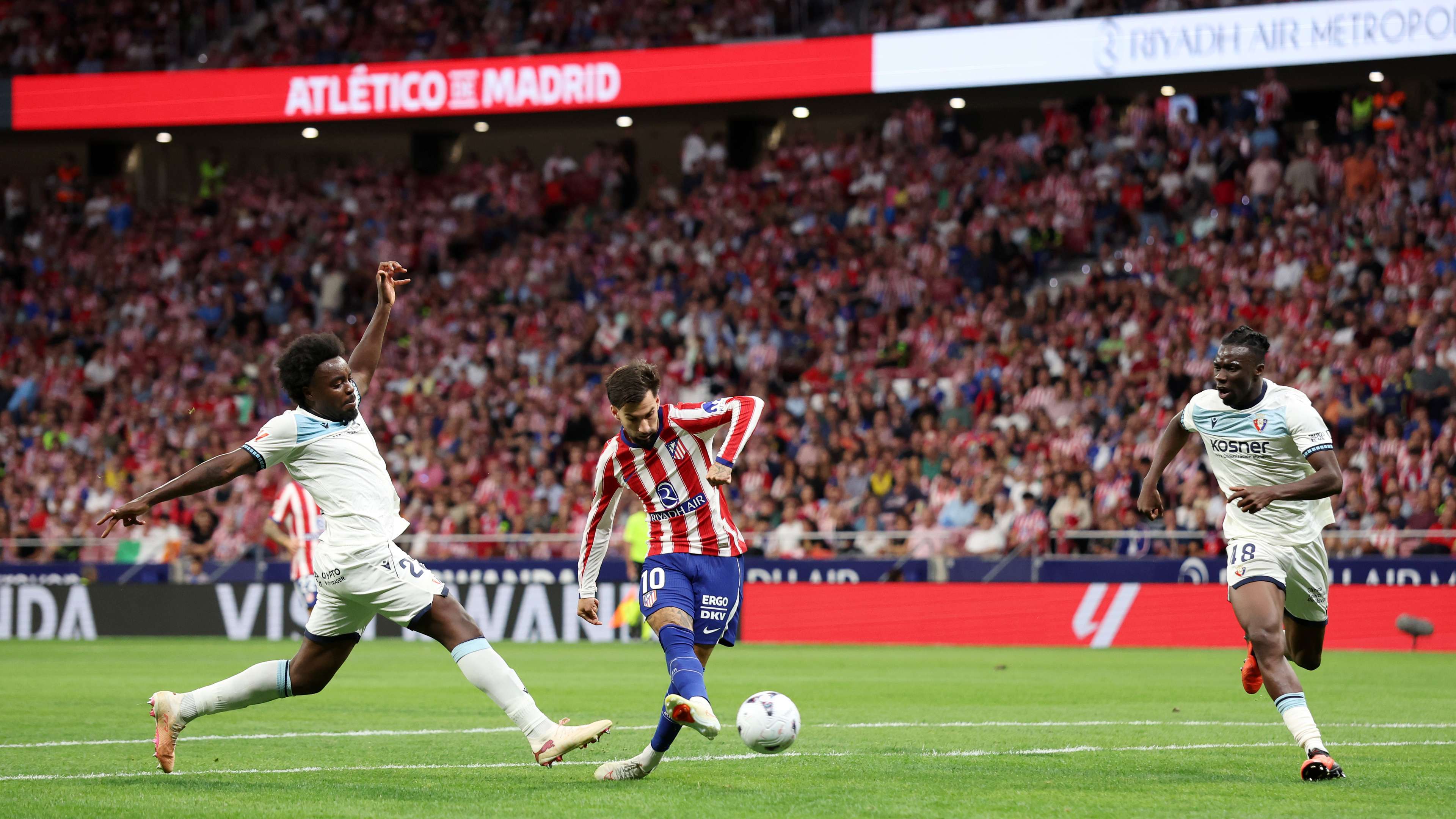
The intense rivalry between Atlético Madrid and Real Madrid continues to capture the attention of football fans and analysts alike. Despite several days having passed since their electrifying 2-1 victory at the Santiago Bernabéu, Atlético Madrid remains steadfast in its stance, refusing to be drawn into the narrative shaped by Real Madrid’s protests over refereeing decisions. This ongoing dispute not only highlights the emotional undercurrents of La Liga’s fiercest derby but also raises questions about the broader implications of refereeing controversies on football prediction models and betting strategies.
Atlético Madrid’s Firm Position: A Clash of Perspectives
According to reports from the prominent Spanish sports newspaper Marca, Atlético Madrid’s players and coaching staff are unimpressed by the protests launched by Real Madrid following their defeat. Central to this controversy is Álex Baena’s candid assessment of the situation, which sheds light on the team’s mindset and their perception of the unfolding events.
Before representing Spain in their international fixture against England, Baena openly addressed the media, offering a candid critique of the post-match reactions. He stated, “I think they are complaining because they lost. If it had been the other way round, there would not have been all this controversy about the officiating. When Real Madrid lose to Atlético, they try to look for other things to talk about instead of focusing on the match.” His comments underscore a belief within the Atlético dressing room that Madrid’s protests are a reflection of their inability to accept defeat gracefully—a common theme in high-stakes football rivalries.
Criticism of Mourinho and the Refereeing Discourse
The controversy was amplified by remarks from legendary coach José Mourinho, who has been a vocal critic of the refereeing in the derby. Following the match, Mourinho held a heated press conference where he scrutinized several key decisions made by referee Ortiz Arias. Baena was quick to dismiss these criticisms, suggesting that Mourinho’s public reactions are a reactionary response to the loss rather than an objective critique.
Baena commented, “I certainly think it was a kind of tantrum, because the way he appeared at the press conference, with the coloured slips of paper, looked like that, and it was proof that he does not know how to accept defeat.” This pointed remark reflects the deep-seated tensions that often characterize football rivalries—where emotions run high, and refereeing decisions become a focal point for broader frustrations.
Refereeing Incidents and the Long-Standing Rivalry
While Atlético Madrid concedes that referee Ortiz Arias made some mistakes during the match, the club’s internal stance is that the focus should not be solely on officiating errors. Instead, they emphasize their belief that their team played commendably despite being temporarily reduced to ten men during critical phases of the game. They argue that their performance warranted at least a draw and that the result was influenced by a combination of refereeing decisions and their own resilience.
In fact, Atlético’s players and staff recall previous derby encounters marred by controversial refereeing, such as the contentious red cards handed to Dani Ceballos and Ángel Correa in past fixtures. This history of perceived unfairness fuels their skepticism toward Madrid’s recent protests. As one player succinctly put it, “They are not used to it happening to them.”—a reflection of the long-standing perception among teams facing Madrid at the Santiago Bernabéu that they have often been on the receiving end of questionable refereeing calls.
The Broader Context: Refereeing and Football Prediction
This ongoing dispute highlights a significant challenge in football prediction and betting strategies. Refereeing controversies, especially in high-profile matches like the Madrid derby, can dramatically influence match outcomes, potentially skewing predictions. Bettors and analysts must consider not only team form and player statistics but also the unpredictable human element—referees’ decisions and their potential biases.
Moreover, the emotional atmosphere surrounding such rivalries can impact team performances in subsequent fixtures. Atlético Madrid’s hope is that the fallout from the recent derby remains contained and does not spill over into upcoming encounters, whether in La Liga, the Copa del Rey, or European competitions like the UEFA Champions League.
Looking Ahead: Future Encounters and the Impact on Football Prediction
Another fixture between Atlético Madrid and Real Madrid is on the horizon at the Santiago Bernabéu, promising to be another chapter in this intense rivalry. Fans and analysts will be watching closely, not just for the on-field action but also for how refereeing decisions might influence the outcome. Additionally, potential rematches in the Copa del Rey, UEFA Champions League, or the Spanish Super Cup could further intensify the rivalry and shape predictions for future matches.
For those engaged in football prediction, understanding the emotional and psychological dimensions of derby matches is crucial. Factors such as team mentality, historical refereeing patterns, and the influence of coaches’ reactions can all play pivotal roles in forecasting results. Incorporating these elements into prediction models can enhance accuracy and provide a more comprehensive view of what to expect in high-stakes fixtures.
Conclusion: The Unfolding Saga Continues
The Atlético Madrid vs. Real Madrid rivalry remains one of the most captivating narratives in football, blending passion, controversy, and fiercely contested matches. As Atlético continues to defend its victory and dismiss Madrid’s protests as sour grapes, the broader football community is reminded of the sport’s unpredictable nature—where human error, emotional reactions, and historical context intertwine to create compelling storylines.
Whether you’re a football enthusiast, a bettor seeking to refine prediction strategies, or a casual fan eager to witness the next chapter, understanding the nuances behind these controversies adds depth to the experience. As the season progresses, all eyes will be on future clashes, where the echoes of past disputes may well influence both the on-field drama and the predictions shaping the betting landscape.
Stay tuned for more updates on this heated rivalry and insights into how such controversies can impact football prediction and betting strategies in the evolving world of football analytics.