
Ousmane Dembélé Leads PSG to a Statement Champions League Win Over Manchester City
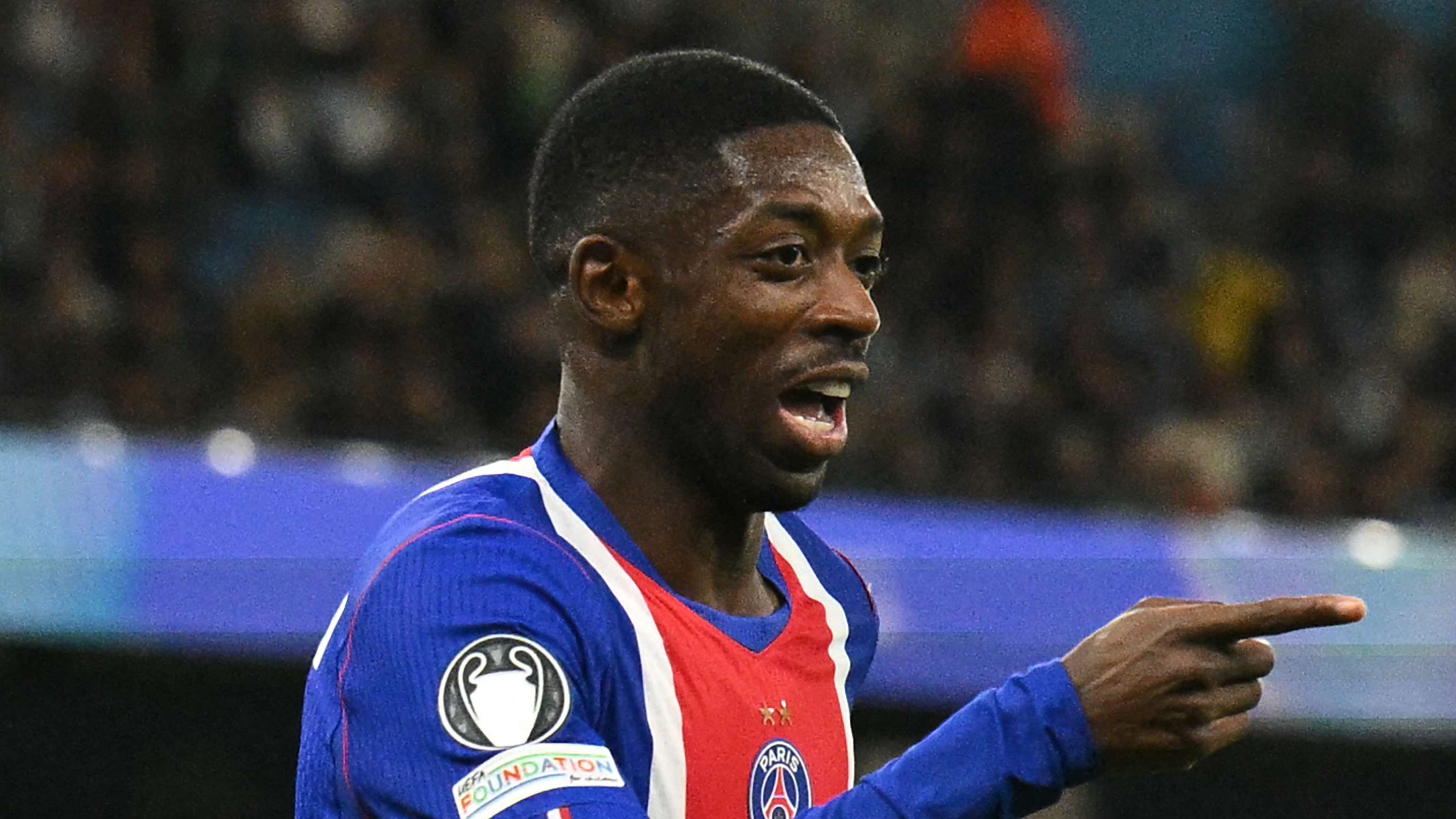
Paris Saint-Germain delivered one of the standout performances of their Champions League campaign, fighting back to beat Manchester City 4-2 in a thrilling contest. At the centre of the result was Ousmane Dembélé, whose sharp movement, confidence and attacking influence helped PSG turn a difficult night into a memorable victory.
The French international arrived under scrutiny from critics who have questioned his consistency and end product. Against City, however, Dembélé answered those doubts where it mattered most: on the pitch. He was a constant threat in the final third, stretching the defence and helping PSG build the momentum that carried them to a statement win.
His performance was followed by an equally memorable post-match moment. Asked about the criticism he had recently faced, Dembélé responded with a light-hearted remark that added a surreal twist to the interview. The exchange quickly became part of the story, but the football remained the main talking point: PSG had overcome one of Europe’s most formidable sides through persistence, attacking quality and a strong collective response.
A Comeback That Changed the Mood
For much of the match, Manchester City appeared to have control. The visitors took a two-goal lead, placing PSG in a difficult position and raising questions about whether the hosts could find a way back. City’s ability to keep possession and exploit spaces made the challenge even more demanding, while PSG had to respond without allowing frustration to disrupt their structure.
Instead of fading, the French side grew into the contest. PSG increased the pace of their attacks, pressed with greater conviction and began to find openings between City’s defensive lines. The shift in energy was clear: the hosts moved the ball forward more quickly and committed more players to supporting their attackers.
Dembélé’s contribution was central to that change. His willingness to take on defenders gave PSG an outlet when City’s pressure threatened to pin them back. His movement also created room for teammates, forcing the visitors to make difficult decisions about whether to close him down or protect the spaces around him.
PSG’s comeback was not simply a product of individual brilliance. It reflected a team that stayed composed after falling behind, adapted its approach and made the most of the moments when City’s control began to loosen. The four goals transformed the match from a difficult test into a major European result.
Dembélé’s Response to His Critics
Dembélé has often been judged by the expectations attached to his talent. Supporters and commentators know he possesses the pace, balance and technical ability to trouble any defence, but questions have regularly focused on whether he can produce decisive moments consistently. His display against Manchester City offered a persuasive answer.
Rather than playing cautiously, he looked eager to influence the game. He attacked defenders directly, moved into dangerous areas and helped PSG maintain pressure as the match swung in their favour. Even when he was not the player finishing an attack, his presence altered City’s defensive shape and gave PSG more options in the final third.
That broader impact is important when assessing a winger’s performance. Football analysis can sometimes reduce a player’s contribution to goals and assists, but creating space, drawing defenders away and helping a team progress the ball can be just as valuable. Dembélé’s display brought together those less visible qualities and the confidence needed to make the difference in a high-pressure Champions League match.
A Light-Hearted Interview After a Serious Performance
The post-match interview provided a striking contrast to the intensity of the game. After helping PSG secure a major win, Dembélé was asked about the criticism directed at him in recent weeks. His response was playful and unexpected, giving reporters and fans a moment of humour after a match defined by tension and dramatic changes in momentum.
The exchange did not erase the debate around his consistency, nor did it need to. Instead, it showed a player comfortable enough to meet criticism with a smile after delivering a strong performance. For PSG supporters, the combination of an influential display and a relaxed interview made the night even more satisfying.
Such moments can also shape how a performance is remembered. A decisive result establishes the sporting significance, while a distinctive post-match comment gives the story a human dimension. In Dembélé’s case, the humour reinforced the impression that he had enjoyed the challenge rather than been weighed down by outside pressure.
What the Result Means for PSG
Beating Manchester City by a 4-2 scoreline carries importance beyond the immediate excitement. City are renowned for their control, tactical discipline and ability to punish mistakes, so overcoming them after going two goals behind can strengthen PSG’s belief in their own resilience. The result also offers a reminder that the team can respond when a match does not follow its preferred script.
For the coaching staff, the comeback provides useful evidence about the squad’s attacking depth and mental strength. PSG showed they could raise their intensity, create chances against elite opposition and keep pushing after the early setback. Those qualities will be valuable as the Champions League campaign progresses, when matches are often decided by how well teams react to adversity.
Still, one result does not settle every question. PSG will need to reproduce this level across future fixtures, particularly against opponents capable of exploiting defensive gaps. The challenge is to turn an exceptional comeback into a reliable standard rather than a one-off performance.
Champions League Prediction: Momentum, Not Guarantees
The victory gives PSG a meaningful boost, but any prediction about their chances of going deep in the competition should be measured. Their attacking talent is clear, and Dembélé’s form could be a major factor if he continues to influence matches in this way. The win also suggests that PSG have the confidence to compete with elite European teams even when they face an early disadvantage.
However, the Champions League rarely rewards teams on momentum alone. PSG will have to balance their aggressive attacking approach with defensive organisation, while maintaining the concentration needed to avoid conceding control to opponents. If they can combine the energy shown against City with greater consistency from match to match, they will have a credible platform for a serious challenge.
For now, the headline is straightforward: PSG produced a remarkable comeback, and Dembélé played a key role in it. His performance offered a timely response to his critics, while his playful interview ensured the night ended with a smile. The result will be remembered as a major Champions League statement—and a reminder that, in football, confidence can shift the direction of a match as quickly as a goal.