
Andy Burnham’s Manchester City Meetings Face Renewed Scrutiny
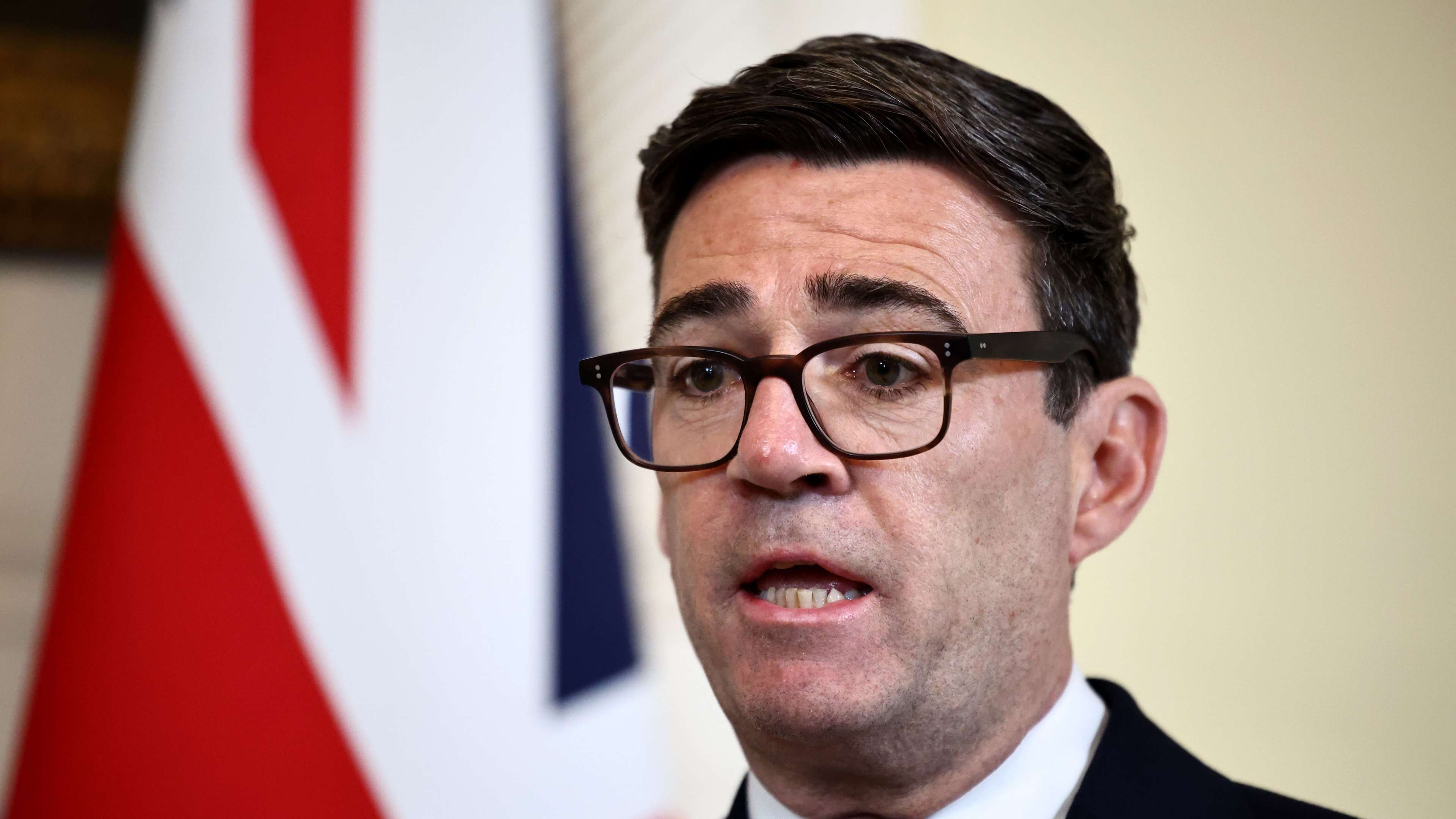
Questions about the relationship between British Prime Minister Andy Burnham and Manchester City have intensified after a newspaper report alleged that he met club officials at least six times while serving as Mayor of Greater Manchester. The claims appear to conflict with Burnham’s description of having held just one significant meeting with representatives of the club.
The issue has drawn attention amid the continuing controversy surrounding Manchester City’s alleged breaches of Premier League financial rules. The club has faced more than 100 charges, which it denies, and the case is being considered by an independent commission. No final outcome should be assumed while that process remains unresolved.
For football supporters, the story now reaches beyond the pitch. It raises questions about transparency, public investment and the boundaries between civic leaders and powerful sports organisations. It also puts the spotlight on how major football clubs interact with the cities whose economies and identities they help shape.
Report challenges Burnham’s account of club contacts
According to The Sun, records and other material indicate that Burnham had several contacts with Manchester City figures during his time as mayor, from 2017 to 2026. The newspaper said the meetings included private discussions with chief executive Ferran Soriano in 2023 and former chief operating officer Roel de Vries in 2025.
Both meetings were reportedly held at Co-op Live, Manchester’s large indoor arena, which is partly owned by Sheikh Mansour’s Abu Dhabi United Group. Soriano is also a director of the venue. The reported meeting with him followed the completion of work on the arena roof, while the meeting with De Vries was said to have taken place around the time Manchester hosted the Brit Awards.
The report also highlighted two dinners with Manchester City chairman Khaldoon Al Mubarak. It said a register of interests, later removed from the Greater Manchester Combined Authority website, recorded the dinners and hospitality. Burnham told MPs that his reference to visiting the Etihad Stadium “on a few occasions” included the two dinners, while maintaining that he had not discussed the independent investigation with Al Mubarak.
Burnham has said he will make details of his dealings and meetings with the club’s Emirati owners public. He has confirmed meeting them, but the dispute over how many contacts took place—and how they should be described—has kept the issue in the political spotlight.
Hospitality and records raise transparency questions
One of the episodes cited in the report concerns a Manchester City match against Everton on 15 December 2018. Video footage reportedly shows Burnham speaking to blogger Ian Cheeseman outside the Etihad Stadium’s Tunnel Club hospitality area. It remains unclear whether Burnham paid for his attendance, and the visit was not listed in the registers examined by the newspaper.
The records themselves have become part of the debate. The BBC has reported that the combined authority generally publishes entries from the current mayoral term. However, some entries dating back to 2022 remain available, despite the current mayor’s term beginning in 2024. That difference has prompted questions about how historical disclosures are managed and why some material is no longer accessible.
Disclosure rules are intended to help the public understand when elected officials receive hospitality or meet organisations with significant interests in their area. They do not, by themselves, establish that a meeting was improper. But incomplete, deleted or difficult-to-access records can fuel doubts, particularly when a club is involved in a high-profile regulatory case.
Political pressure grows over the relationship
Conservative Party leader Kemi Badenoch questioned whether Burnham’s explanation would satisfy the public, describing his response as carefully worded. The opposition has argued that the number and nature of his contacts with City officials need to be clarified, especially given the club’s commercial influence and the scale of its investments in Greater Manchester.
The political sensitivity is heightened by the competing interests involved. Manchester City is a major football institution and a global brand, while its owners’ investment has contributed to development around the Etihad Stadium and in east Manchester. The club’s role in local regeneration is therefore often discussed alongside questions about governance and compliance.
Burnham served as mayor during a period of substantial Abu Dhabi-linked investment in the city. The newspaper also reported claims from sources in the United Arab Emirates that a severe sanction against Manchester City could put as much as £30 billion in British investment at risk. That figure is a reported estimate, not a confirmed assessment of the consequences of any eventual ruling.
Local benefits and football accountability
Burnham’s successor as mayor, Bev Craig, has drawn a distinction between the club’s alleged conduct and the benefits residents may have received from investment in the area. Speaking to The Guardian, Craig said that if a football club broke the rules, it should be punished. She also noted that people in east Manchester could point to facilities such as a library, leisure centre or sixth-form college as tangible improvements.
That argument reflects a wider debate about the role of wealthy football owners in urban development. Stadium projects and associated investment can create jobs, attract visitors and support new community facilities. At the same time, public officials are expected to maintain clear records and ensure that commercial relationships do not compromise independent decision-making.
The two ideas are not necessarily in conflict: residents can benefit from regeneration while regulators still investigate whether a club complied with competition rules. Any judgement about Manchester City’s case must be based on the evidence considered by the independent commission, rather than on political claims or speculation about possible penalties.
What happens next?
For now, the key questions concern the accuracy of the meeting records, the nature of Burnham’s contacts with City executives and whether all relevant hospitality was properly disclosed. Further documentation or clarification could help establish a fuller timeline. Until then, the story is likely to remain a test of political transparency as much as a football controversy.
There is no reliable prediction of the commission’s eventual decision or any consequences Manchester City might face. The outcome will depend on the evidence and the process, while the political debate will continue to focus on accountability. For supporters, the case is a reminder that modern football’s biggest disputes often extend well beyond match results, touching on money, public trust and the relationship between clubs and the communities they represent.