
Cristian Chivu Shares Insights on Team Dynamics and Player Development in Exclusive Interview
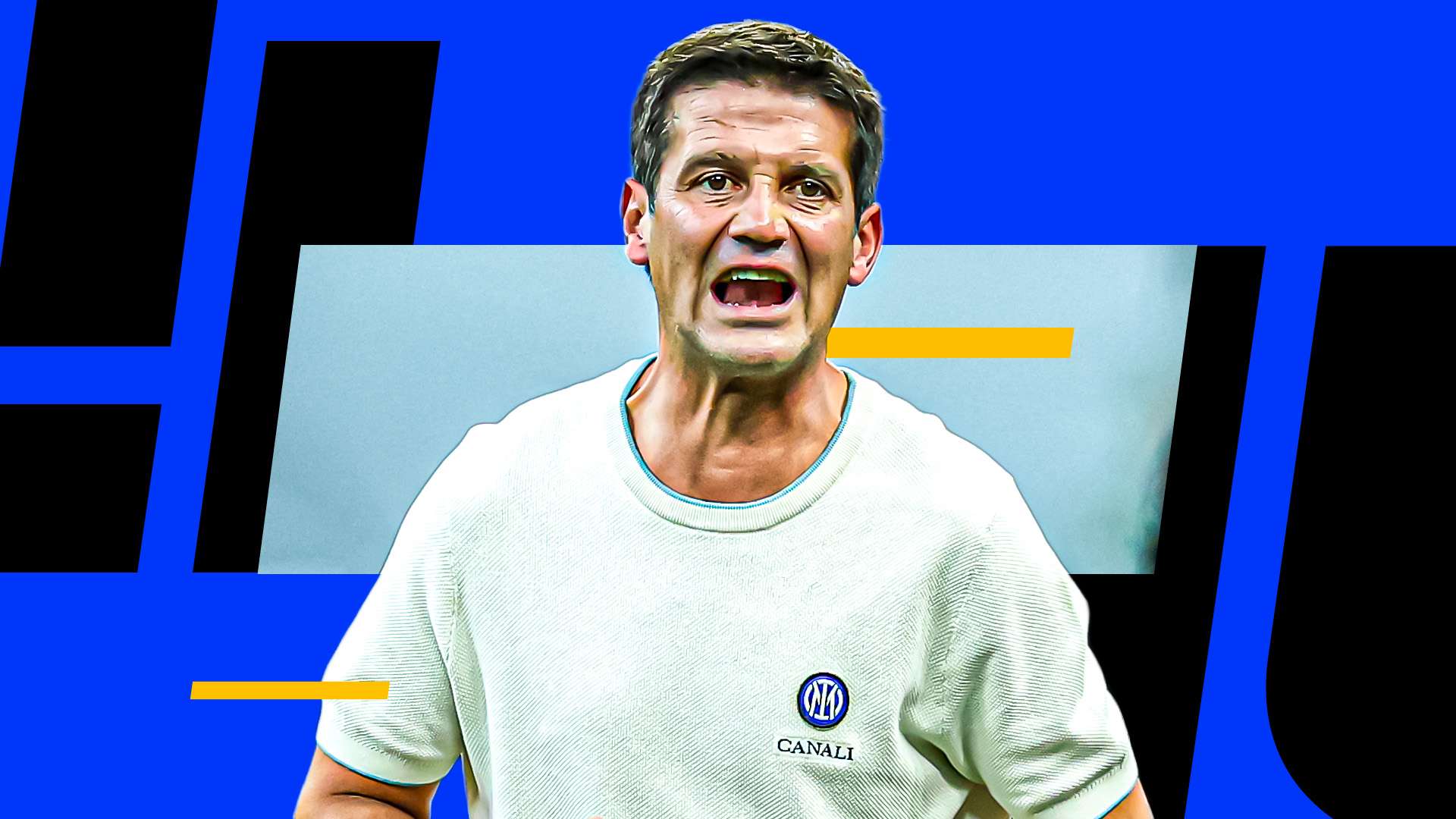
In a candid and comprehensive interview with Cronace di Spogliatoio, Cristian Chivu, the esteemed manager of Inter Milan, provided a rare glimpse into his strategic approach to team management, player development, and the future trajectory of the club. As one of the most respected figures in European football, Chivu’s insights are highly valued by fans, analysts, and aspiring football managers alike. This article delves into the key highlights of his interview, offering in-depth analysis, predictions, and broader context on the evolving landscape of Inter Milan and its squad.
Managing the Group: A Balancing Act
Chivu emphasized that effective management of a football team extends beyond tactical formations and training drills; it involves fostering a cohesive environment where each player feels valued and motivated. He highlighted the importance of understanding individual personalities and leveraging their unique strengths to build a resilient and adaptable squad. According to Chivu, the key to success lies in nurturing a positive team culture, which in turn influences performance on the pitch.
He also reflected on the challenges of managing a diverse group of players, each with different backgrounds, expectations, and styles of play. The manager’s role, he explained, is to ensure that the transfer of skills and attitudes aligns with the club’s long-term vision. This approach not only enhances team chemistry but also boosts the predictability of results, as players become more integrated and confident in their roles.
Transforming Criticized Players into Key Contributors
One of the most intriguing aspects of Chivu’s interview was his candid discussion about players who have faced heavy criticism but have since become integral to the team’s success. He specifically mentioned three English players who, despite initial doubts, have demonstrated remarkable growth and adaptability.
Transfer and Development: The Path to Success
Chivu pointed out that the transfer process is only the beginning. The real prediction of a player’s future impact depends on how they are developed within the club’s environment. He underscored the importance of tailored training programs, mental conditioning, and tactical understanding in unlocking a player’s true potential. For instance, these English players faced skepticism from pundits and fans alike, but through dedicated coaching and strategic utilization, they have now become pivotal figures in Inter’s lineup.
He also noted that some of these players have exceeded expectations, turning what was once viewed as a risky transfer into a masterstroke. Such success stories reinforce the idea that transfers are just the starting point; the real prediction of a player’s contribution lies in the club’s ability to nurture talent and adapt tactics accordingly.
The Rise of Josep Martinez and Diouf
Among the most discussed players in the interview were Josep Martinez and Diouf, two individuals who faced intense criticism during their initial phases at Inter. Critics questioned their suitability, consistency, and impact on the team’s overall performance.
Chivu acknowledged these criticisms but highlighted the significant transformation these players have undergone. He explained that both Martinez and Diouf have shown resilience and commitment, which has led to their current status as fundamental components of the squad. Their improved performances serve as a testament to the club’s focus on player development and the importance of patience in the transfer prediction process.
Furthermore, Chivu suggested that their success could serve as a blueprint for future transfer strategies—emphasizing that initial setbacks do not necessarily predict long-term failure. Instead, with the right environment and support, players can evolve into key figures, thereby positively influencing the team’s transfer prediction models and overall squad stability.
Alekandar Stankovic: A Player Many Have Called For
Another focal point of the interview was Aleksandar Stankovic, a versatile midfielder whose name has frequently appeared in transfer rumors and fan discussions. Chivu addressed the ongoing debate around Stankovic’s role and his potential to become a regular starter.
The manager expressed confidence in Stankovic’s abilities, emphasizing that the player’s potential is yet to be fully realized. He indicated that the club is closely monitoring his progress and that future transfer predictions about his role will depend on his performance in upcoming matches. Chivu also hinted at the possibility of giving Stankovic more opportunities to prove himself, which could significantly influence the club’s long-term transfer strategies.
Will Chivu Get His Chance?
As a former legendary player and now a manager, Chivu’s own career trajectory has been a topic of interest among fans and analysts. He addressed whether and how he might get the chance to manage at the highest levels of European football in the future.
Chivu remained modest but optimistic, stating that his focus remains on delivering results for Inter Milan. He believes that success on the pitch will naturally open doors for further managerial opportunities. His insightful approach to team management, combined with his deep understanding of player psychology and tactics, makes him a promising candidate for future transfer prediction models at top clubs worldwide.
Broader Context: The Future of Inter Milan and Its Transfer Strategy
Inter Milan, one of Europe’s most storied clubs, continues to evolve amid intense competition and changing football landscapes. The club’s transfer strategy, as highlighted by Chivu, is increasingly data-driven, emphasizing accurate prediction models to identify undervalued talent and mitigate transfer risks.
By focusing on developing players who may initially face criticism, Inter aims to maximize their investment and predict long-term contributions. This approach aligns with the broader trend in football where data analytics and transfer prediction algorithms are transforming scouting and recruitment processes.
The club’s emphasis on a balanced squad—integrating seasoned veterans with promising young talent—aims to secure consistent results domestically and in European competitions. As Chivu’s managerial philosophy demonstrates, a combination of strategic transfers, player development, and effective management can serve as a blueprint for success in modern football.
Conclusion
Cristian Chivu’s detailed insights shed light on the complex art of managing a top-tier football club like Inter Milan. His emphasis on team cohesion, player development, and strategic transfer prediction underscores the importance of a holistic approach to building a successful squad. The transformation of criticized players into key contributors highlights the predictive power of patience, tailored coaching, and a supportive environment.
As Inter Milan continues its pursuit of domestic and international glory, Chivu’s vision and leadership remain crucial. Fans and analysts alike will be watching closely to see how his predictions about player potential, transfer success, and his own managerial future unfold in the coming seasons. The club’s ability to accurately predict and develop talent will undoubtedly be a decisive factor in their quest for sustained success.