
South Korea Announces Major Overhaul of Military Service Exemption System for Elite Athletes Amid Public Debate
In a landmark decision that is set to reshape the landscape of South Korean sports and national service policies, the government has officially declared its intention to reform the longstanding military service exemption system. This move emerges amidst growing public concern and heated debates following recent international sporting events, most notably the Asian Games, where the celebrations of the national football team ignited discussions about fairness, patriotism, and the future of elite sports in the country.
Historical Context: The Tradition of Military Exemptions for Athletes
South Korea’s military service exemption system has historically been a privilege granted to athletes who achieve remarkable success on the international stage. These exemptions have been particularly prominent for medal-winning athletes at major events such as the Olympics and Asian Games, with football players, in particular, often receiving special treatment due to their contributions to national pride and international reputation.
For decades, successful athletes, especially those in football, have enjoyed exemptions or alternative service options, allowing them to focus on training and competitions without the mandatory military duty. This system has been a source of national pride but has also attracted criticism for perceived inequalities and unfair advantages within the realm of competitive sports.
The Catalyst: Controversy at the Asian Games
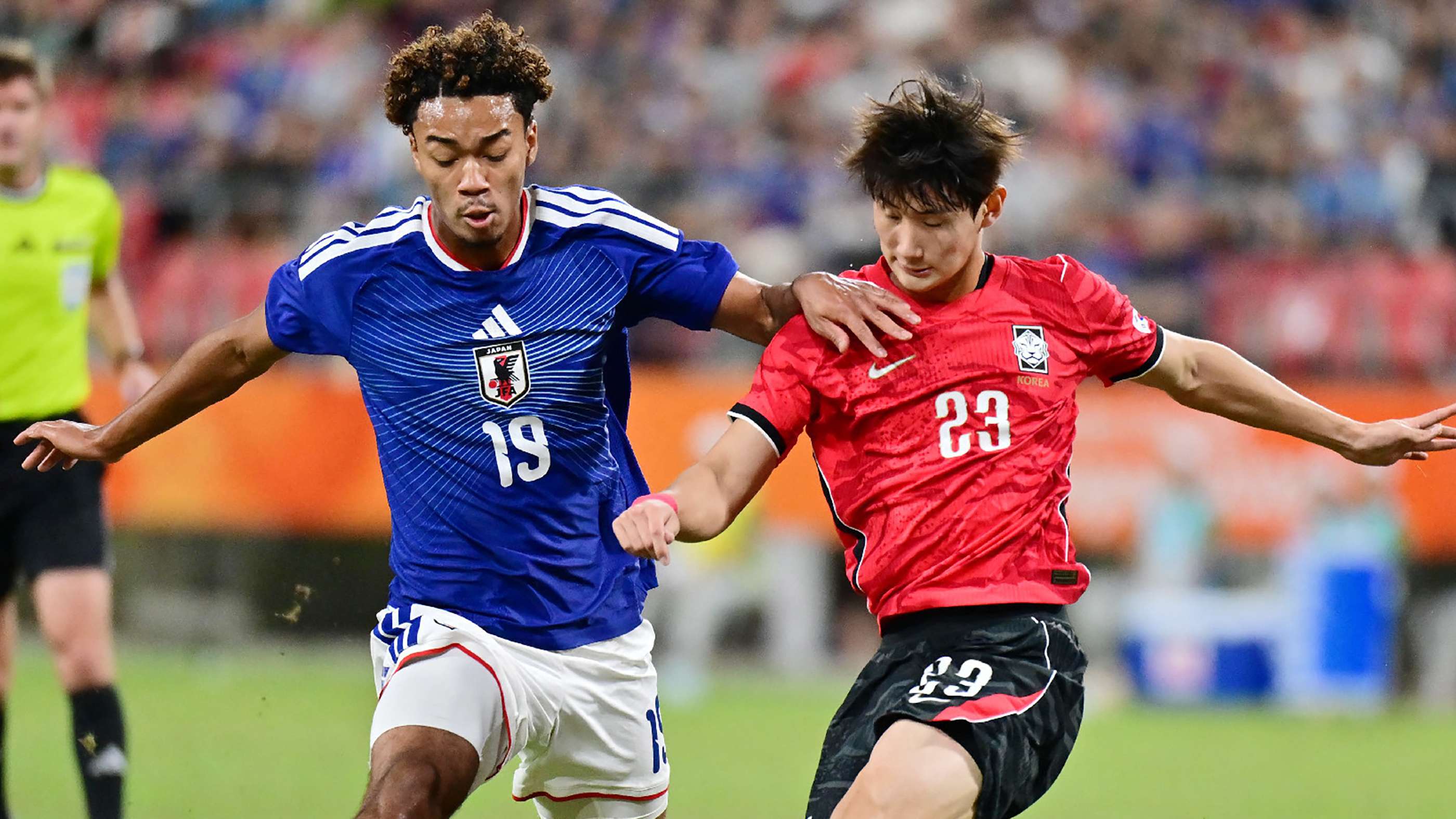
The recent Asian Games served as a turning point in public perception. The South Korean football team, which won gold and brought immense joy to the nation, celebrated their victory exuberantly. While their enthusiasm was widely appreciated, it also reignited a debate over whether such displays of patriotism should be rewarded with continued exemptions from mandatory military service.
Many citizens and critics argued that granting special privileges to football players and other athletes undermines the principles of fairness and equality, especially when compared to ordinary citizens who must serve regardless of their achievements. The controversy highlighted broader questions about the role of sports, nationalism, and social justice in South Korea’s societal fabric.
Government Response: Moving Toward a Fairer System
In response to mounting pressure, the South Korean government has announced a comprehensive review of its policies governing military service exemptions for athletes. Officials have indicated their commitment to establishing a more equitable framework that balances national pride with fairness and social justice.
Minister of Culture, Sports, and Tourism recently stated, “We recognize the importance of supporting our athletes, but we also believe that fairness and equality should be at the core of our national policies. We are committed to implementing reforms that ensure all citizens are treated equally under the law.”
This announcement marks the beginning of a series of discussions involving sports authorities, military officials, and civic society to craft a transparent and sustainable policy that reflects modern values and societal expectations.
Potential Changes and Impact on Football and Other Sports
The proposed reforms are expected to have significant implications for football and other elite sports in South Korea. While specific details are still under discussion, experts predict several possible directions:
- Elimination or Reduction of Exemptions: The government may phase out automatic exemptions for athletes who win medals at major international competitions, requiring them to fulfill their military duties like other citizens.
- Alternative Service Options: For athletes who continue to pursue sports careers, alternative service programs that are shorter or less demanding might be introduced, allowing them to balance national duties with athletic ambitions.
- Performance-Based Criteria: Any new system might incorporate clear performance metrics, ensuring that only athletes who meet specific standards are eligible for exemptions or alternative service.
Such changes could fundamentally alter the landscape of South Korean football, where the success of the national team has often been intertwined with the ability of star players to train and compete without interruption. It could also influence the prediction models and betting odds for upcoming football matches, as team compositions and player availability might be impacted by new mandatory service requirements.
Broader Implications for South Korean Society and International Perceptions
The reform of the military service exemption system for athletes is more than just a sports policy change; it signals a shift in South Korea’s approach to fairness, meritocracy, and national identity. Critics argue that such reforms could foster a more level playing field, encouraging young athletes to pursue their dreams without relying on privileged exemptions.
Furthermore, the move is likely to enhance South Korea’s international reputation, showcasing a commitment to fairness and social justice. It aligns with global trends toward equality and merit-based recognition, which are increasingly valued by international sporting bodies and audiences alike.
Implications for Football Prediction and Future Competitions
As the reforms unfold, sports analysts and football prediction enthusiasts are closely monitoring the potential impacts on team dynamics and player availability. The possibility that star players may now be required to complete military service before participating in major tournaments could influence predictions for upcoming matches, especially in international competitions such as the FIFA World Cup qualifiers and Asian Football Confederation (AFC) tournaments.
Betting markets and prediction models will need to adapt to these changes, factoring in the potential absence of key players due to military commitments. Fans and experts alike are speculating on how these policy shifts could lead to unexpected results or alter the competitive landscape of football in the region.
Conclusion: A New Era for South Korean Sports and Society
The decision to overhaul South Korea’s military service exemption system for elite athletes marks a significant milestone in the country’s ongoing efforts to promote fairness and social justice. While the reform process is still underway, the implications are profound—potentially reshaping how national pride is expressed through sports and how athletes are supported and recognized.
For football fans and prediction enthusiasts, this development introduces new variables to consider in the lead-up to major tournaments. As South Korea moves toward a more equitable future, the global sports community will be watching closely, eager to see how these changes influence the nation’s football scene and beyond.
Ultimately, this transformation reflects a broader societal shift, emphasizing merit, fairness, and national integrity—values that will undoubtedly influence the next chapter of South Korea’s sporting history.