
Bangladesh Hope Mehidy Hasan Can Return for Must-Win Afghanistan Clash
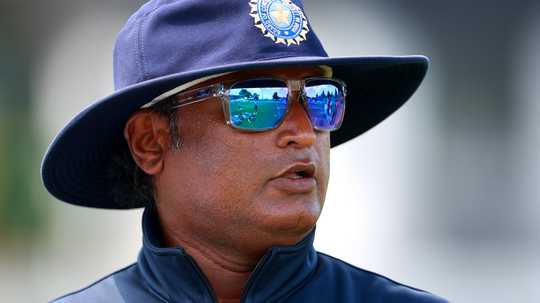
Bangladesh are waiting on the fitness of Mehidy Hasan as they prepare for a crucial meeting with Afghanistan in the Sharjah tri-nation series on October 21. Head coach Phil Simmons hopes the all-rounder will recover in time to strengthen a side seeking an immediate response after a heavy defeat to Zimbabwe.
Mehidy missed Bangladesh’s opening match after being struck down by a fever. The team lost that contest by 99 runs, leaving little room for error as the series progresses. His potential return could provide a timely boost in both departments: Mehidy offers control and experience with the ball, while his batting gives Bangladesh valuable depth in the middle order.
The 28-year-old had been confined to his hotel room for several days following Bangladesh’s Test series against Afghanistan. He returned to training on Monday, October 19, attending a practice session in Abu Dhabi. Simmons welcomed the sight of Mehidy back with the squad but cautioned that he was not yet fully recovered.
“It’s great to see him, as he had been in bed for the last couple of days struggling,” Simmons said. “He’s still not fully there, but hopefully, with today and tomorrow, he can get some more rest and be ready for the next game.”
Mehidy’s Fitness Could Shape Bangladesh’s Team Balance
Bangladesh’s need for Mehidy is heightened by the absence of regular captain Litton Das, who was ruled out of the ODI tri-nation series after failing a fitness test before the Zimbabwe match. Losing a senior batter and leader has forced the team to adjust its plans, making the availability of another experienced player especially significant.
Mehidy’s value extends beyond his individual numbers. As an all-rounder, he can help Bangladesh balance their XI, offering a bowling option without weakening the batting order. His off-spin may also be useful in Sharjah, where teams often need to assess conditions carefully and adapt their scoring approach. However, Bangladesh will have to weigh his importance against the risk of rushing him back before he is fully fit.
For supporters following cricket prediction discussions ahead of the Afghanistan fixture, Mehidy’s status is one of the key factors to watch. His return would strengthen Bangladesh’s options, but it would not by itself guarantee a turnaround. The team’s ability to make better decisions under pressure may prove just as important as its final selection.
Simmons Urges Perspective After Zimbabwe Defeat
Despite the 99-run loss, Simmons said the mood within the Bangladesh camp remained positive. The coach described the defeat as a poor day rather than evidence of a wider decline, adding that players and staff had discussed what went wrong and what needed to change.
“The energy is still good,” Simmons said. “We had a nice meeting this morning and put things on the table, like what we did and didn’t do well. We know what we have to do now.”
He added that Bangladesh had performed well in the lead-up to the match and believed the team could recover by focusing on the next assignment. The immediate priority, Simmons said, was to use training and preparation time effectively, both technically and mentally.
That response will matter against Afghanistan, a side capable of applying sustained pressure with disciplined bowling and strong spin options. Bangladesh cannot afford to let one disappointing result dictate the tone of the rest of the series. At the same time, the coach’s confidence will need to be backed by sharper execution on the field.
Batting Collapse Exposes a Failure to Read the Match
Simmons identified Bangladesh’s handling of the chase as a central reason for the loss. The team made a promising start with the bat but failed to recognise how important that platform was. Rather than building steadily and preserving wickets, Bangladesh lost momentum and allowed the match to slip away.
“When we batted, we just lacked the understanding of the situation,” Simmons said. “With a start like that, we just had to make sure we batted for the 50 overs and we’d have won the game.”
His assessment points to a problem of match awareness as much as technique. In a 50-over contest, a good opening phase should create options: batters can rotate the strike, target suitable bowlers and accelerate later. But if wickets fall in clusters, the innings becomes a recovery effort, leaving the lower order with too much to do.
Simmons said the difference came down to several small moments that combined to produce a damaging result. For Bangladesh, the lesson is to assess the required pace of the innings, protect partnerships and avoid taking unnecessary risks when the match situation calls for patience. Those details could be decisive in a must-win game.
Tamim Iqbal’s Dressing-Room Message
After the Zimbabwe defeat, Bangladesh Cricket Board president Tamim Iqbal held a lengthy meeting with players and team officials in the dressing room. The discussion reportedly continued late into the night, prompting speculation that Tamim had expressed frustration with the team’s direction.
Simmons, however, described the president’s message as a call for commitment and responsibility. He said Tamim reminded the squad that representing Bangladesh carries significance for millions of people who follow the team and want to see it succeed.
“The message from Tamim is to keep working hard and to understand that we’re representing Bangladesh and how many millions of people,” Simmons said. “Everybody’s looking for us to be successful, and I think that was the main message from him.”
The coach’s comments suggest the meeting was intended to reinforce accountability rather than distract the players from their preparation. Bangladesh now have a short window to turn that message into a more composed performance.
What Bangladesh Need to Improve Against Afghanistan
The Afghanistan match presents Bangladesh with a chance to reset their campaign, but the route to victory will require more than a change in personnel. The team must start with discipline, preserve its batting structure and respond calmly if the opposition creates pressure. If Mehidy is fit enough to play, his all-round contribution could improve the balance of the side; if not, Bangladesh will need others to take on greater responsibility.
Any cricket prediction for the October 21 contest remains dependent on team news, conditions and how quickly Bangladesh recover from their opening setback. Mehidy’s fitness is a major storyline, but the broader test will be whether the players can apply the lessons Simmons highlighted. A more patient batting display and stronger awareness of the match situation could give Bangladesh the platform they lacked against Zimbabwe.