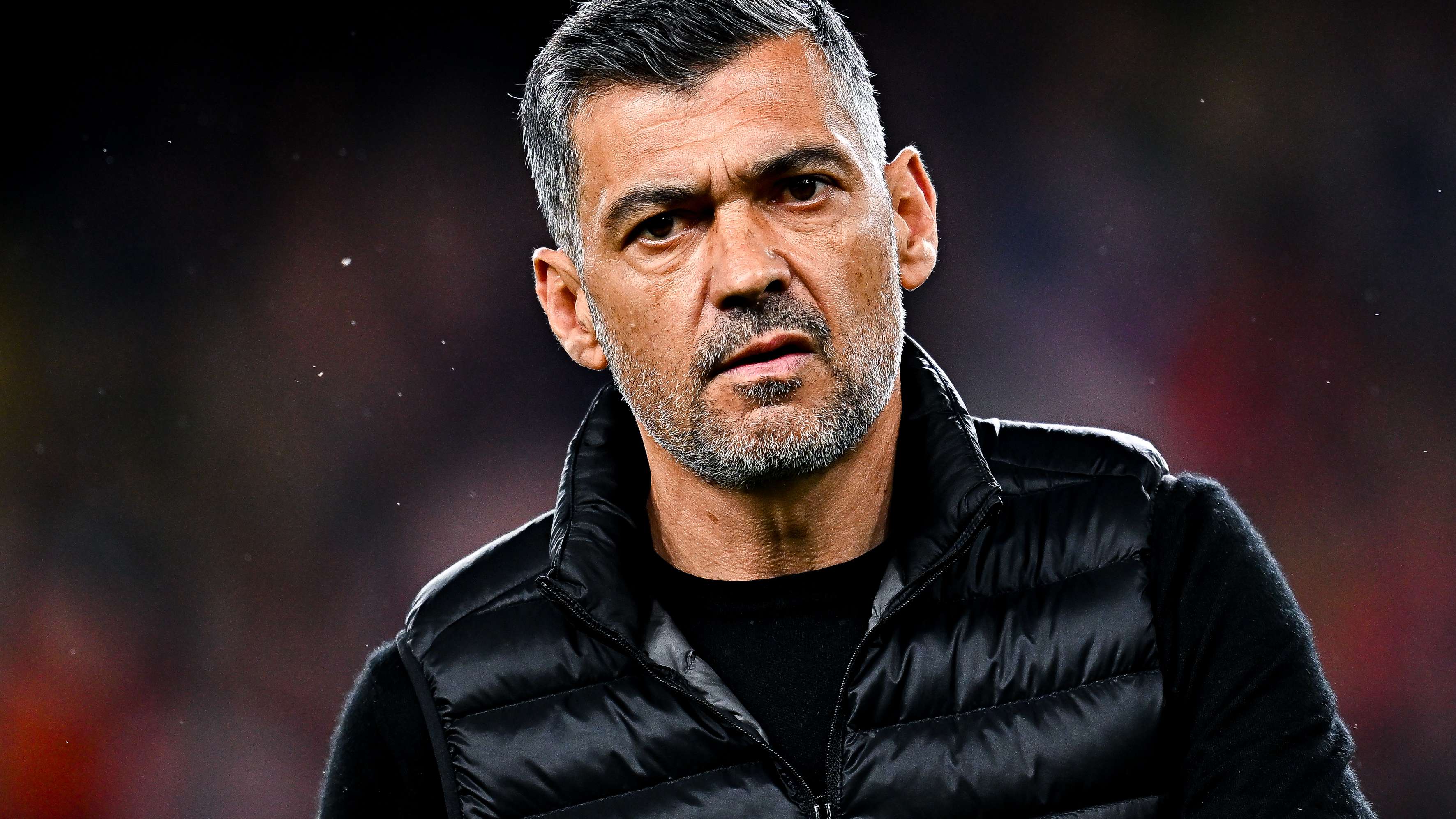

Sergio Conceicao clarifies Saudi football comments after criticism
Former Al-Ittihad manager Sergio Conceicao has pushed back against claims that he insulted Saudi players or questioned their ability, saying his remarks about working in the Kingdom were misunderstood. The Portuguese coach said he was discussing differences in football culture and the challenge of adapting to a new environment—not dismissing the quality of local footballers.
The clarification follows criticism of Conceicao’s appearance on La Tripletta, a podcast associated with Italian newspaper La Gazzetta dello Sport. Comments about professional habits, commitment and the contrasts between Saudi Arabia and Europe circulated widely, prompting debate among supporters. Conceicao responded through a statement shared on his official Instagram Stories, stressing his respect for the country that welcomed him and his family.
What did Conceicao say?
Conceicao explained that he had answered two questions about his experience in Saudi Arabia, but felt his words had been presented as an attack on Saudi football. He denied saying that Saudi players were poor or suggesting they lacked ability. Instead, he said, his point was that football can be approached differently across countries and leagues.
“I never intended to belittle local players,” was the central message of his response. He added that he appreciated the opportunity to work in the Kingdom and learn more about its athletes, their working environment and their relationship with the game. Although some aspects of the transition had been difficult, he described the experience as valuable.
The coach also placed his adjustment challenges in context. After spending around 13 or 14 years working in European football, moving to a different league meant adapting to unfamiliar routines, expectations and cultural norms. His comments, he argued, were about that transition—not a judgment on the talent of Saudi players.
Why the remarks sparked a debate
The controversy grew from Conceicao’s discussion of differences in commitment and professional culture between local and foreign players. He referred to situations in which a player might miss training for family or religious reasons, a subject that quickly attracted attention online. Some listeners interpreted those remarks as criticism of Saudi players, while others viewed them as an account of the practical challenges coaches can face when moving between football cultures.
That distinction matters in modern football. A manager arriving in a new country must learn not only the league’s tactical style but also its customs, communication patterns and expectations around daily work. Training schedules, player welfare, family commitments and religious observance can all shape how a club organises its week. Discussing those differences can be sensitive, particularly when short excerpts circulate without the full context of an interview.
Conceicao also acknowledged that financial considerations formed part of his decision to move to Saudi Arabia. That point is not unusual in a global sport where clubs compete internationally for experienced coaches and players. However, the scale of investment in the Saudi Pro League has made questions about motivation, ambition and long-term commitment especially prominent in football coverage.
Al-Ittihad tenure: league progress, but cup disappointment
Conceicao spent roughly eight months in charge of Al-Ittihad. During that period, the club finished fifth in the Roshn Saudi League and secured a place in the AFC Champions League Elite. The league position gave the team a route back into continental competition, but the season also included important setbacks in knockout tournaments.
Al-Ittihad’s King’s Cup campaign ended in the semi-finals, where the club was eliminated by Al-Khaleej. The team’s Asian run also stopped at the quarter-final stage after a defeat to Japan’s Machida Zelvia. Those results will form part of the assessment of Conceicao’s spell, alongside the league finish and the challenges of managing a high-profile squad in a demanding environment.
For supporters, the results offer a more concrete measure of the coach’s work than the public dispute over his comments. Yet the two issues are connected: expectations at a major club can be intense, and managers are often judged on both results and how they speak about players, supporters and the country they represent.
Management pressure and social media scrutiny
Conceicao also spoke about Al-Ittihad’s reliance on results and the influence of fan reactions on social media. At a club with a large following, every result can generate immediate discussion, and criticism can spread well beyond the stadium. Coaches must manage that pressure while trying to maintain focus inside the dressing room.
Social media has changed how football controversies develop. A comment made during a long-form podcast can be reduced to a short clip, shared without surrounding context and interpreted in sharply different ways. That does not remove the need for coaches to choose their words carefully, but it helps explain why Conceicao felt compelled to issue a direct clarification.
What comes next for the former Al-Ittihad boss?
Conceicao’s statement seeks to draw a clear line between discussing cultural adaptation and questioning player quality. His message is that his time in Saudi Arabia broadened his understanding of the game, even as he found parts of the transition challenging. Whether the clarification settles the debate will depend on how supporters interpret both the original podcast and his response.
For observers following Saudi football, the episode highlights a wider question: how can international coaches describe genuine differences in working culture without appearing to stereotype the players or league they have joined? The answer lies in precision, context and mutual understanding. As the Saudi Pro League continues to attract prominent figures from across world football, those conversations are likely to remain part of the story.
Any prediction about Conceicao’s next move—or about how his reputation will be shaped by this episode—should be treated cautiously. His Al-Ittihad record includes both a continental qualification and cup exits, while his latest statement makes clear that he wants his comments understood as reflections on adaptation rather than an attack. For now, the debate is less about whether Saudi players have quality and more about how football’s global expansion brings different expectations into the same dressing room.