
Fulham Manager Alvaro Arbeloa Faces Misconduct Charge After Controversial Comments on Officiating in Manchester United Clash
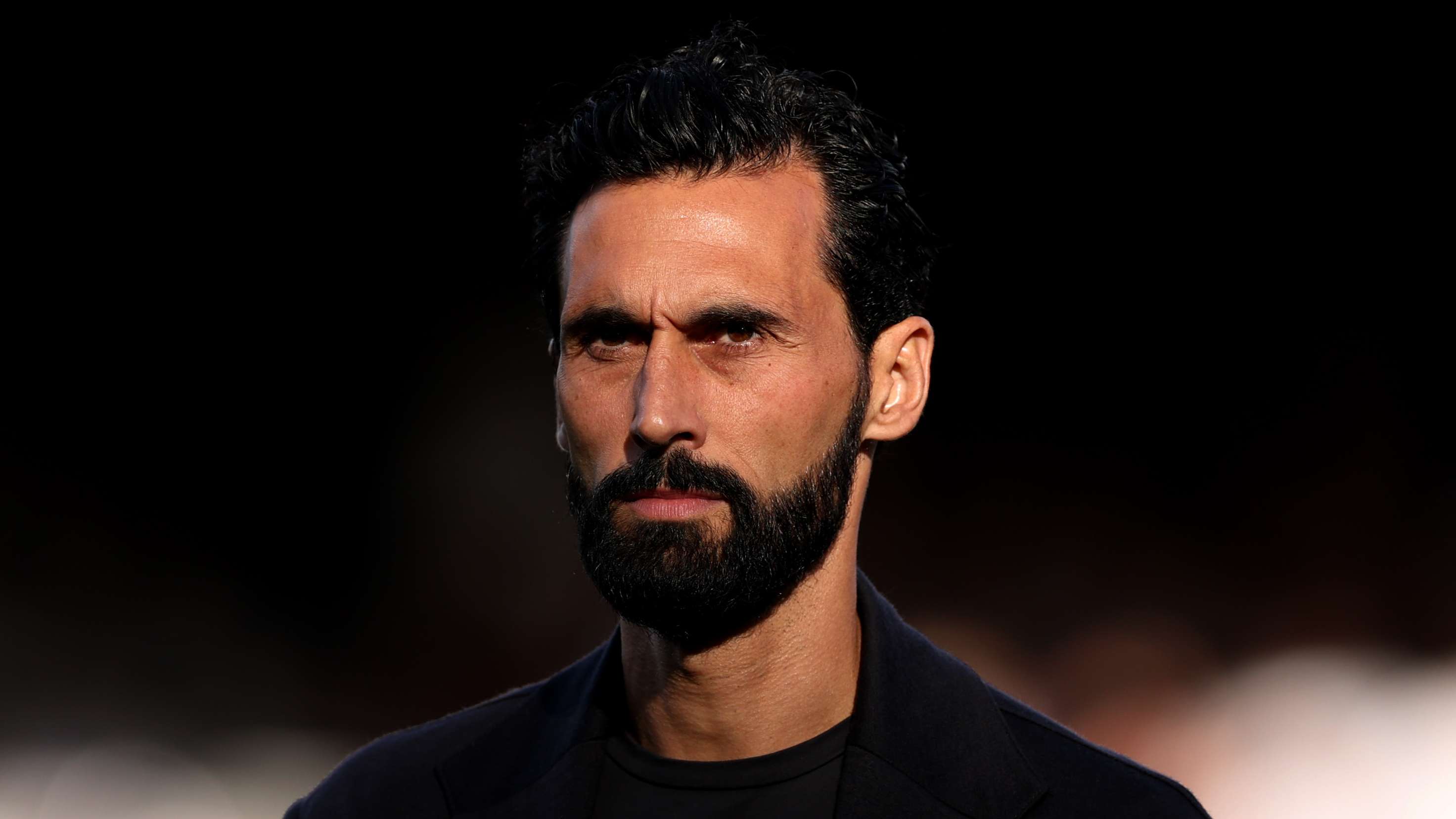
The world of football is no stranger to heated debates, passionate opinions, and intense scrutiny of officiating decisions. However, when those comments cross the line into misconduct, they can lead to disciplinary action that shakes the foundations of sportsmanship and fair play. This week, Fulham’s head coach, Alvaro Arbeloa, found himself at the center of such controversy following his recent remarks about the refereeing during the club’s high-stakes Premier League fixture against Manchester United.
Background of the Incident: A Tense Encounter at Craven Cottage
The match between Fulham and Manchester United, held at Craven Cottage, was notable not only for its competitive on-field action but also for the fiery exchanges off the pitch. Both teams entered the game with playoff ambitions and a desire to secure crucial points in the league standings. However, it was Arbeloa’s outspoken criticism of the officiating that grabbed headlines and prompted formal disciplinary proceedings.
During the game, several contentious decisions by the match officials appeared to favor the visiting Red Devils, sparking outrage among Fulham supporters and staff alike. Arbeloa, known for his passionate and often candid commentary, did not hold back in expressing his dissatisfaction. He publicly alleged that the referees were biased, suggesting that they were actively working to protect Manchester United from losing at Craven Cottage — a claim that has since led to a misconduct charge from the Football Association (FA).
Details of the Misconduct Charge and the FA’s Response
The Football Association, the governing body responsible for overseeing discipline in English football, has official protocols for handling misconduct allegations against managers, players, and officials. After reviewing Arbeloa’s comments, the FA determined that his remarks breached the standards of conduct expected within professional football.
In an official statement, the FA clarified that Arbeloa has been charged with misconduct under Section E3 of the FA’s rules, which pertains to “abusive, insulting, or improper conduct.” The charge stems from his public comments, which the FA deems to undermine the integrity of the game and question the impartiality of match officials.
Following the charge, Arbeloa is expected to respond within a specified timeframe, after which disciplinary hearings will be scheduled. Possible sanctions could range from fines to suspension, depending on the severity of the misconduct and his response during the proceedings.
The Broader Context: Controversies in Football Officiating and Their Impact
This incident highlights a recurring issue in football: the tension between managers’ passionate reactions and the importance of maintaining respect for referees. Football, being a highly emotional sport, often witnesses managers and players voicing their frustrations, especially after controversial decisions that can influence the outcome of a match.
Historically, high-profile disputes over refereeing decisions have sparked debates about the quality and consistency of officiating in the Premier League and beyond. Critics often argue that biased or inconsistent refereeing can unfairly sway predictions and predictions for future games, affecting betting markets and fans’ expectations alike.
In recent years, there has been increased emphasis on improving officiating standards through technology, such as the Video Assistant Referee (VAR) system, which aims to reduce human error. However, VAR itself has not been immune to controversy, often leading to further disputes and debates about its role in shaping football predictions and match outcomes.
The Significance of Fair Play and Respect in Football
While passionate expressions are part and parcel of football culture, the sport’s governing bodies continually emphasize the importance of fair play and respect for officials. Arbeloa’s comments, which suggest bias and favoritism, run counter to these principles and undermine the integrity of the game.
Football fans and analysts often scrutinize predictions for upcoming matches based on form, team strength, and tactical approach. However, refereeing decisions can dramatically alter the predicted outcomes, making fair officiating crucial for maintaining the sport’s credibility.
Implications for Fulham and Future Predictions
For Fulham, this controversy could have repercussions beyond disciplinary measures. It may influence team morale, fan sentiment, and perceptions of the club’s stance on officiating issues. As for Arbeloa, his response to the misconduct charge will be keenly observed, especially regarding his future interactions with officials and the media.
Looking ahead, football predictions for Fulham’s upcoming fixtures will likely consider the ongoing officiating debates. Supporters and analysts will be watching to see if this incident prompts referees to adopt more transparent and consistent standards, thereby restoring confidence among stakeholders.
Conclusion: The Need for Respect and Transparency in Football
The controversy surrounding Alvaro Arbeloa’s comments underscores the delicate balance between passionate advocacy and maintaining the decorum expected in professional football. As the sport continues to evolve with technological advancements and increased accountability, fostering a culture of respect — both on and off the pitch — remains essential.
For fans, analysts, and prediction enthusiasts alike, this incident serves as a reminder that football’s appeal lies not only in its skill and excitement but also in its integrity. Ensuring fair and unbiased officiating is fundamental to preserving the sport’s credibility, enriching the experience for all who follow it passionately.
As Arbeloa faces the consequences of his remarks, the broader conversation about officiating transparency and respect in football is likely to intensify. Ultimately, the goal is to safeguard the sport’s integrity, ensuring that every prediction and every match is determined by skill and strategy, not controversy and bias.