
Injury Crisis Forces Tunisia to Cancel Friendly Against Mali: Implications for Football Prediction and FIFA Rankings
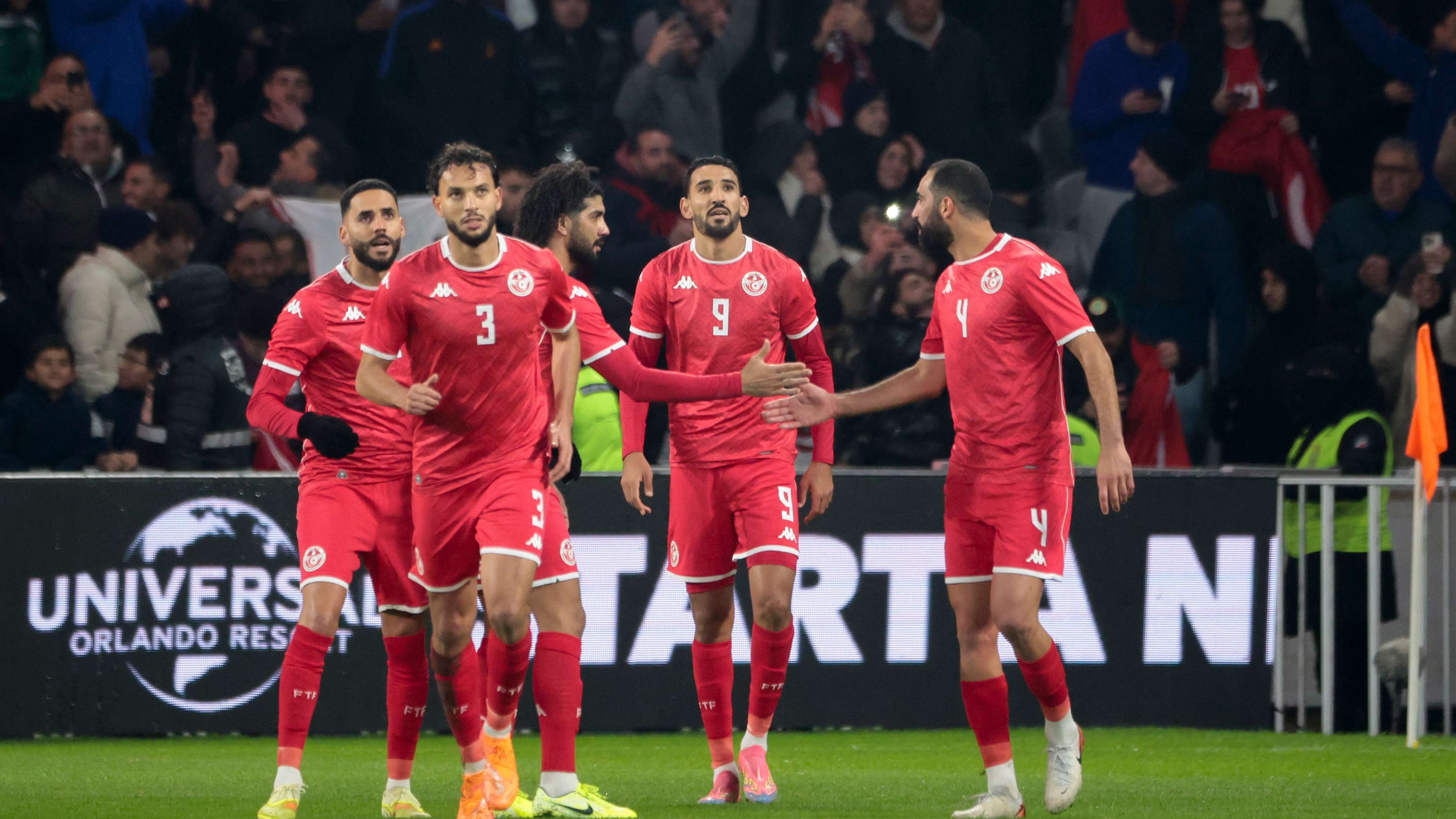
In a surprising turn of events just days before their scheduled international friendly match, the Tunisian national football team, known as the Eagles of Carthage, has officially withdrawn from their upcoming fixture against Mali. This cancellation, driven by a mounting injury crisis within the squad, has significant repercussions for team preparations, football predictions, and their standing in the FIFA world rankings.
Details of the Cancellation and Underlying Causes
The Tunisian Football Federation (FTF) announced the abrupt decision to scrap the friendly match, which was set to take place on October 3rd at the prestigious Rades Stadium. The move came after extensive consultations with the team’s technical staff and coordination with their Malian counterparts, highlighting the seriousness of the injury issues plaguing the squad.
A source close to the team, speaking to Reuters on condition of anonymity, revealed that the primary reason behind the cancellation was the unavailability of key players due to injuries. This situation not only hampered the team’s ability to field a competitive side but also raised concerns about the potential impact on their FIFA ranking—a crucial factor in international football predictions and tournament seedings.
Injury Crisis and Its Impact on the Team’s Performance
Injuries are an unfortunate but common aspect of competitive football, especially as teams approach critical qualification phases or continental tournaments. However, for Tunisia, this injury crisis has been particularly disruptive. Several leading players, essential for both defense and attack, are sidelined, forcing the coaching staff to make difficult decisions regarding squad selection.
Such setbacks can influence football predictions significantly, as analysts and fans alike consider the current form and available personnel when forecasting match outcomes. The cancellation deprives fans and experts of a valuable opportunity to gauge the team’s readiness and tactical setup ahead of upcoming fixtures.
Impact on FIFA Rankings and Future Prospects
Currently ranked 61st in the world, Tunisia’s position in the FIFA rankings is a reflection of their recent performances and results in international fixtures. The team is actively seeking momentum after a somewhat disappointing start to their 2027 Africa Cup of Nations (AFCON) qualifying campaign. Their recent results— a 1-1 draw against Uganda and a 2-2 stalemate with Botswana—have left them with only two points from two matches, placing them third in Group Eight.
In FIFA’s ranking calculations, points are awarded based on match results, the strength of opponents, and the importance of fixtures. The absence of competitive matches or high-profile friendlies can hinder teams like Tunisia from accruing valuable points, which are crucial for improving their global standing and seeding in future tournaments.
Group Dynamics and Qualification Stakes
Group Eight features a competitive landscape, with Uganda leading the standings on four points, thanks to their strong start as co-hosts of the 2027 Africa Cup of Nations. Botswana sits just behind on goal difference with two points, while Tunisia and Libya occupy the lower rungs with two and one point(s) respectively.
Given that only the group winners will secure direct qualification to the AFCON, every fixture carries immense weight. With Uganda already assured of their spot as co-hosts, the race for the remaining qualification spot is fiercely contested among the other teams, including Tunisia. The cancellation of the friendly match hampers Tunisia’s ability to fine-tune strategies and assess players against quality opposition, which could influence football predictions for upcoming decisive fixtures.
What Does This Mean for Football Prediction and Match Preparation?
Football predictions heavily rely on current team form, player availability, and tactical adaptability. The injury crisis and subsequent cancellation of the Tunisia-Mali friendly leave analysts with limited data points to assess the team’s readiness. It also raises questions about how Tunisia will approach their remaining qualifiers and whether the squad can overcome these setbacks to achieve their goals.
Teams often use friendlies as opportunities to experiment with lineups, test new tactics, and build team chemistry. The absence of this match means fewer opportunities for Tunisia’s coaching staff to evaluate players in a controlled environment. Consequently, predictions for their upcoming fixtures might be more uncertain, with analysts possibly favoring opponents or considering the team’s current injury struggles as potential weaknesses.
Looking Ahead: Challenges and Opportunities for Tunisia
Despite the setbacks, Tunisia remains a resilient side with a wealth of talent and experience. Their current position in world football rankings underscores the need to rebuild and regain momentum. Moving forward, the team will need to focus on strategic training camps, player recovery, and tactical adjustments to stay competitive in the qualification race.
For football fans, coaches, and analysts, the situation highlights the unpredictable nature of international football. It underscores the importance of squad depth, injury management, and strategic planning—elements that can dramatically influence football predictions and the outcomes of crucial matches.
Conclusion
The cancellation of Tunisia’s friendly against Mali due to an injury crisis is more than just a logistical hiccup; it’s a reminder of the challenges that national teams face in maintaining peak performance levels. As they navigate through their AFCON qualifying campaign, the team must adapt quickly, leveraging their talent and tactical ingenuity to overcome setbacks.
For enthusiasts of football prediction and international competition, Tunisia’s situation adds an element of uncertainty, emphasizing the importance of comprehensive team analysis and strategic foresight. Fans and experts alike will be watching closely as the Eagles of Carthage aim to recover and secure their spot in the next Africa Cup of Nations, demonstrating resilience and determination amidst adversity.
Ultimately, this incident underscores the dynamic and unpredictable nature of football—a sport where injuries, strategic decisions, and team resilience shape the narrative, with predictions often tested by unforeseen developments.