
Manchester United Under Scrutiny Over Bruno Fernandes’ Injury Management: What It Means for the Club’s Future
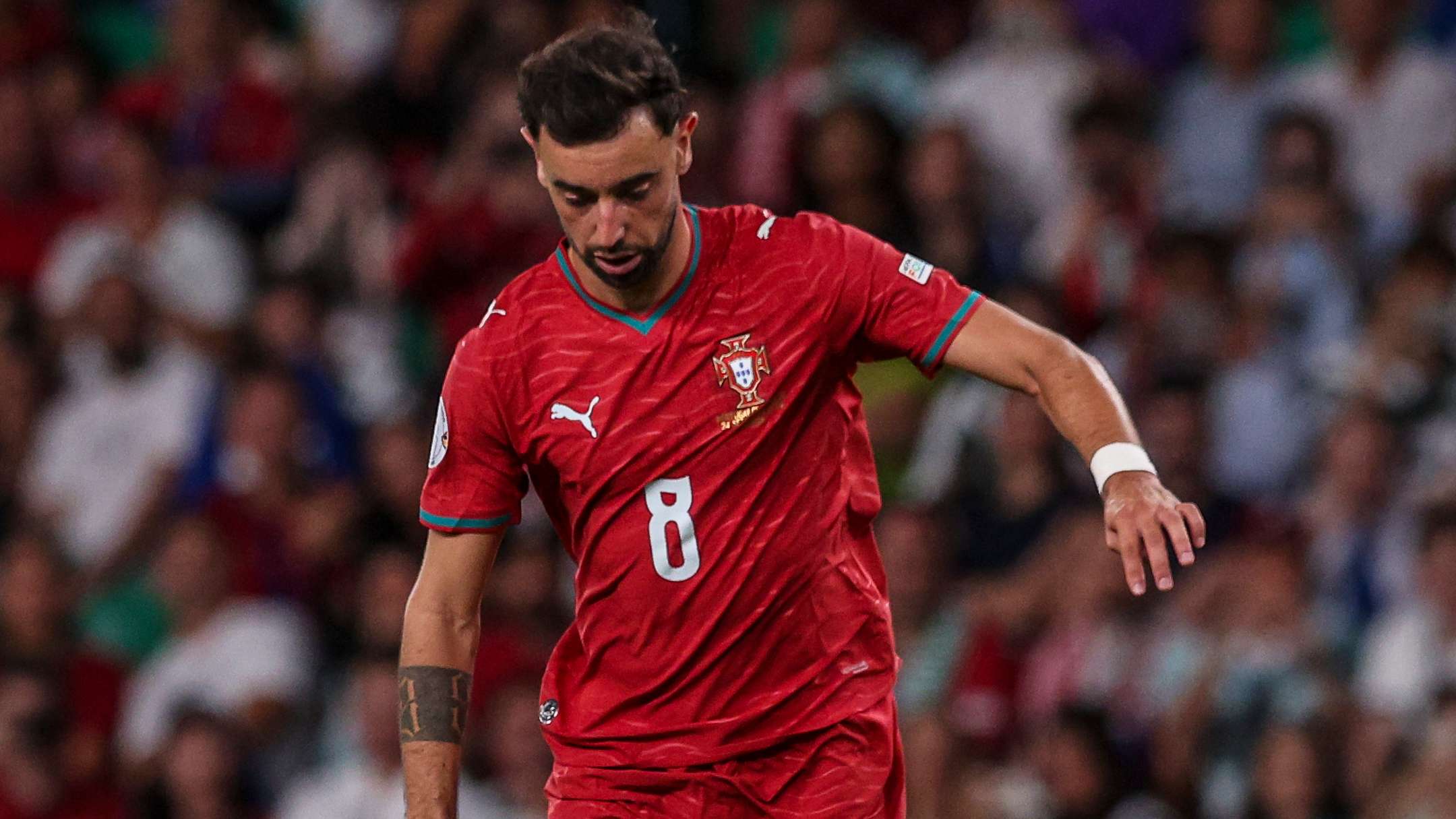
In recent weeks, Manchester United fans and football analysts alike have raised serious concerns over the club’s medical and injury management strategies, particularly regarding their influential captain, Bruno Fernandes. The 32-year-old midfielder, renowned for his creativity, leadership, and goal-scoring prowess, has been playing through considerable pain, raising questions about the club’s approach to player health and the potential impact on their upcoming fixtures.
Bruno Fernandes’ Injury: The Hidden Struggles Behind Manchester United’s Success
Fernandes, a pivotal figure in Manchester United’s squad, has been experiencing discomfort that has reportedly persisted for several weeks. Despite the physical toll, he continued to feature prominently in United’s matches, demonstrating his resilience and commitment. However, his recent absence from Portugal’s national team during the Nations League clash against Norway has intensified speculation regarding the severity of his injury.
This decision to sideline Fernandes from international duty was not merely a precaution but a clear indication of the club’s concerns over his health. Fans and pundits are now questioning whether Manchester United’s medical staff adequately assessed and managed his injury, or if there was a risk of exacerbating the problem by forcing him to play through pain.
Implications for Manchester United’s Performance and the Premier League Prediction
The potential long-term absence of Fernandes could have far-reaching consequences for Manchester United’s season ambitions. As a creative linchpin and a leader on the pitch, his absence could disrupt the team’s tactical stability and scoring threat, especially considering his role in orchestrating attacks and set-piece situations.
Football prediction models often emphasize the importance of key players like Fernandes in influencing match outcomes. With his potential sidelining, analysts are now revisiting predictions for Manchester United’s upcoming fixtures, factoring in the possibility of a dip in form or points dropped due to the absence of their talisman.
Additionally, the club’s ability to adapt to this setback will be critical. The coaching staff might need to re-evaluate their tactical approach, possibly promoting younger players or adjusting formations to compensate for the loss of Fernandes’ creativity and leadership.
Medical Management and Player Welfare: The Broader Context
This situation with Fernandes shines a spotlight on broader issues surrounding football’s approach to player health. With the demanding schedules of club and international competitions, many players face prolonged periods of playing through injuries, sometimes at the expense of their long-term well-being.
Manchester United’s handling of Fernandes’ injury raises questions about the club’s prioritization of short-term results versus long-term player welfare. Experts in sports medicine argue that proper injury management, including adequate rest and rehabilitation, is essential not only for a player’s health but also for sustaining high-level performance over a season.
In recent years, there has been increasing advocacy for clubs to adopt more player-centric approaches, ensuring that injuries are thoroughly diagnosed and managed without undue pressure to return prematurely. The Fernandes case could serve as a catalyst for such reforms within Manchester United and across the Premier League.
What Does This Mean for Manchester United’s Title Ambitions?
Manchester United’s pursuit of domestic and European success hinges significantly on their squad’s health and depth. The potential loss of Fernandes—whose influence on the pitch is undeniable—could hinder their ability to compete at the highest levels. Their immediate fixtures, especially against top-tier opponents, will test the team’s resilience and tactical adaptability.
Football prediction models, which analyze team form, player availability, and tactical setups, suggest that Manchester United’s title chances could be affected if Fernandes remains sidelined for an extended period. The club’s management will need to strategize carefully, perhaps relying on other attacking midfielders or adjusting their game plan to mitigate this loss.
Looking Ahead: The Road to Recovery and Strategic Adjustments
While the specifics of Fernandes’ injury remain undisclosed, reports indicate that the club’s medical team is working diligently to assess the extent of the problem. The priority is to ensure a safe and effective recovery, preventing any risk of re-injury or long-term damage.
For Manchester United, this situation underscores the importance of robust injury management protocols and transparent communication with fans and stakeholders. It also highlights the need for squad depth—having capable replacements who can step up when key players are injured.
In the meantime, fans and football betting enthusiasts are keenly watching how the team adapts to Fernandes’ potential absence. The club’s upcoming fixtures will serve as a litmus test for their resilience and tactical flexibility, with their success or failure influencing predictions for their final league standing.
Conclusion: A Critical Juncture for Manchester United and Its Leadership
The controversy surrounding Manchester United’s handling of Bruno Fernandes’ injury is more than just a matter of player fitness; it reflects broader themes of player welfare, club strategy, and the unpredictable nature of football predictions. As the season progresses, the club’s ability to manage this challenge will be crucial in determining whether they can maintain their competitive edge and achieve their season objectives.
Ultimately, Fernandes’ situation serves as a reminder of the importance of prioritizing health and well-being amidst the relentless demands of football. Fans, analysts, and stakeholders alike will be watching closely, hoping that Manchester United’s leaders make the right decisions to safeguard their star player and secure their future success on the pitch.