
Khvicha Kvaratskhelia Vows to Return Stronger After Serious Knee Injury
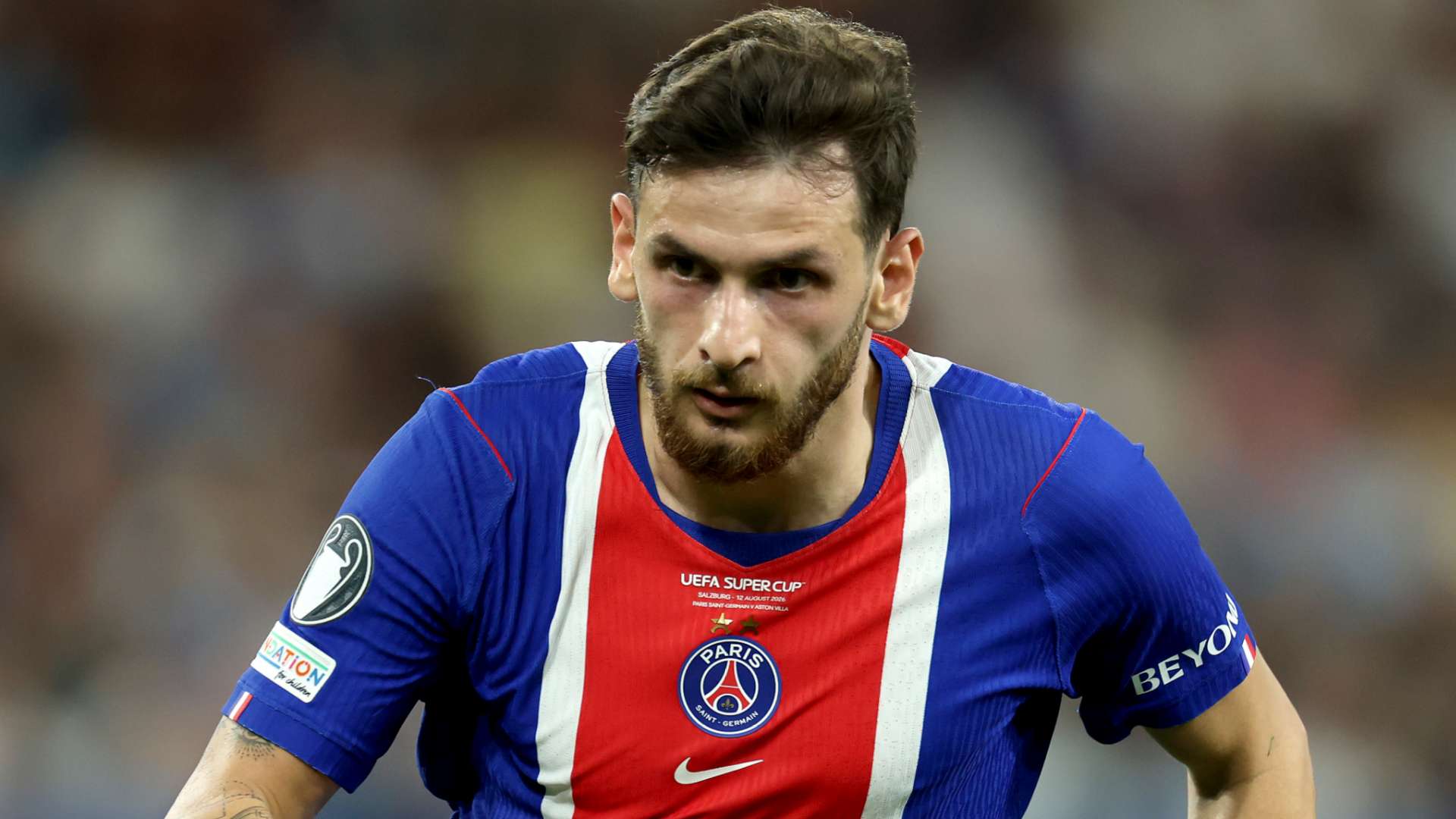
Paris Saint-Germain forward Khvicha Kvaratskhelia has shared an emotional message with supporters after suffering a serious knee injury during the club’s Champions League meeting with Barcelona. The Georgia international faces a lengthy spell away from football, but says he is determined to embrace the difficult recovery process and return stronger than before.
PSG confirmed that Kvaratskhelia ruptured the anterior cruciate ligament (ACL) in his right knee during the match. The injury is expected to require surgery in the coming days, followed by a demanding programme of rehabilitation. An ACL rupture commonly keeps players out for several months, although recovery timelines vary depending on the individual, the procedure and progress through each stage of treatment.
Kvaratskhelia Opens Up About the Injury
In a post on Instagram, Kvaratskhelia described the shock of being sidelined just as he felt thoroughly prepared for a major European fixture. He also reflected on the anxiety that can accompany elite competition, explaining that he had regularly prayed before matches to leave the pitch without injury.
“Not much time has passed, but a question is still going round in my head: why me specifically?” he wrote. “I never fell short in anything for the sake of this game, and perhaps I had prepared for this match in the best way of my life. I thought I was ready for everything, but I wasn’t ready for this.”
The forward acknowledged that accepting the diagnosis would take time. He also framed the setback through his faith, saying he was prepared to endure the work, pain and tears involved in recovery if his absence had somehow protected other players on the pitch. His words offered a glimpse into the emotional side of a serious injury—a part of rehabilitation that can be as challenging as the physical work.
A Major Setback for PSG’s Attack
Kvaratskhelia’s absence is a significant blow for PSG. The Georgian has become one of the team’s most influential attacking players, bringing pace, close control and creativity to the final third. His ability to take on defenders and create chances can give the Paris side a different dimension, particularly in matches where opponents defend deep or limit space between the lines.
Replacing those qualities will likely require a collective effort rather than a straightforward one-for-one change. PSG’s coaching staff may adjust the balance of the forward line, give other attackers more responsibility or alter how the team progresses the ball into dangerous areas. The solution could also depend on the opponent: a more direct approach may suit some fixtures, while others could call for additional movement and combination play around the penalty area.
The timing adds pressure because PSG’s domestic and European campaigns continue while Kvaratskhelia begins treatment. His injury will therefore influence team selection and tactical planning across multiple competitions. For supporters, the immediate concern is how the club manages without a player capable of changing a match with an individual run or decisive pass.
The Road to Recovery
After surgery, ACL rehabilitation typically progresses in carefully managed stages. Early treatment focuses on reducing swelling, restoring movement and rebuilding strength. Players then work toward more demanding exercises, including running, balance training and football-specific drills. A return to full competition comes only after medical staff are satisfied that the knee can tolerate the physical demands of training and matches.
There is no reliable shortcut through that process. Returning too soon can increase the risk of further problems, so Kvaratskhelia and PSG’s medical team will need to judge progress step by step. The length of his absence will depend on how his knee responds, rather than on a single prediction made immediately after the diagnosis.
That uncertainty is familiar to football fans, who often look for a precise return date as soon as an injury is announced. In Kvaratskhelia’s case, the confirmed ACL rupture signals a long recovery, but the club has not provided a definitive timetable in the information released. The priority will be a safe return, not simply the earliest possible one.
“I Won’t Let You Down”
Despite the disappointment, Kvaratskhelia made clear that he intends to stay focused. He thanked supporters for standing by him and promised to give everything to his rehabilitation.
“I know I must return stronger than before, for the sake of my supporters who always stand by my side,” he said. “I won’t let you down, I promise you that, and I won’t spare any effort, not even for a single moment.”
He ended his message with another expression of gratitude, telling fans: “Thank you all for your support, we’ll meet again soon.” The words reflect both the bond he has built with supporters and the determination that will now shape his recovery away from the spotlight of matchday.
What Happens Next for PSG and Georgia?
For PSG, the immediate challenge is to maintain consistency while one of its leading attackers is unavailable. Other forwards will have an opportunity to step forward, while the coaching staff must find ways to preserve the team’s attacking threat without relying on Kvaratskhelia’s distinctive style. The club’s results during his absence will depend on squad depth, tactical flexibility and how effectively the remaining players share the creative workload.
Georgia will also be watching his rehabilitation closely. Kvaratskhelia is a central figure for the national team, and his eventual return will matter beyond club football. For now, however, the focus is on surgery, recovery and steady progress. His emotional message has not removed the uncertainty surrounding the months ahead, but it has made his intention unmistakable: he plans to face the setback with patience, hard work and a determination to come back stronger.