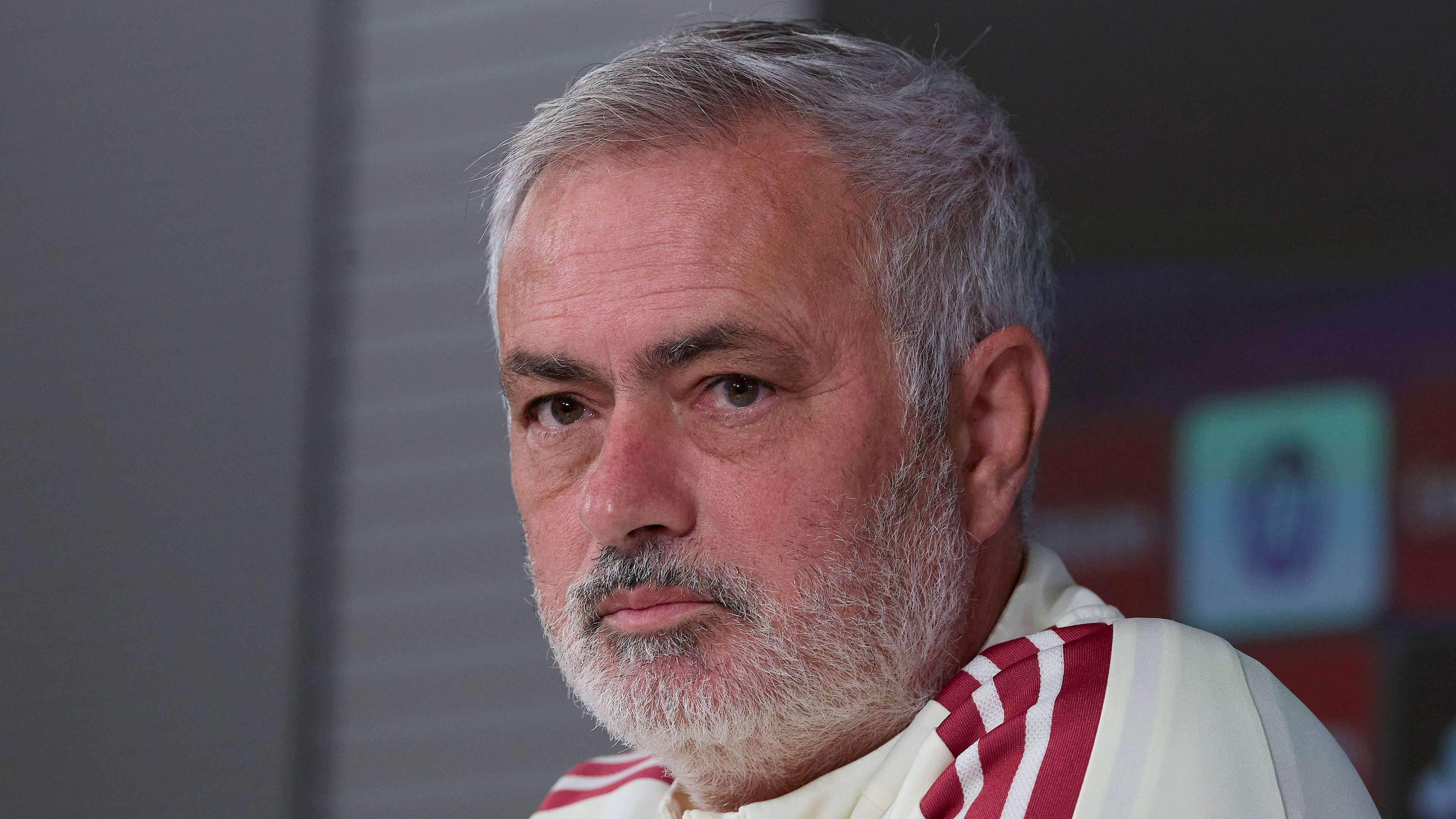
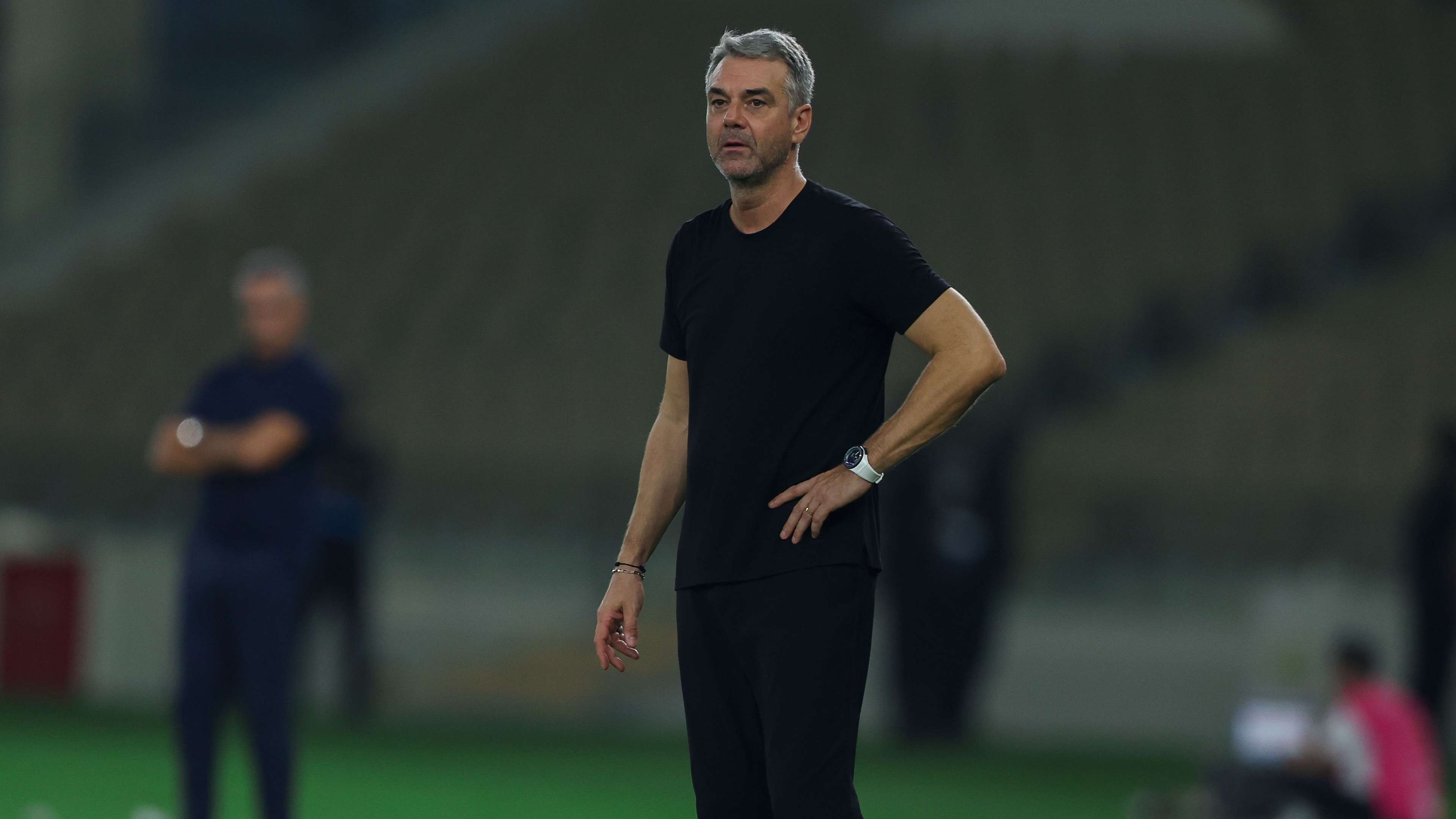

Al-Ahli’s Pusic dilemma: Why the coach remains despite growing pressure
Al-Ahli’s 1-1 draw with Qatar’s Al-Sadd in the AFC Champions League Elite did little to settle the debate surrounding head coach Marino Pusic. The result neither delivered the convincing performance supporters wanted nor ended the growing uncertainty over his position. Yet, despite reports that the Dutch coach’s job was in danger, no immediate change followed.
That apparent contradiction has left Al-Raqi fans asking a practical question: if the club’s leadership had lost confidence in Pusic, why is he still in charge? According to media figure Abdulrahman Amer, speaking on the programme Dorrina Ghair, the answer may have less to do with football than with the financial consequences of ending the coach’s contract.
A draw that eased no concerns
Al-Ahli entered the Al-Sadd fixture amid scrutiny over recent results and the team’s overall level of performance. Reports before the match indicated that anything short of a win could accelerate discussions about Pusic’s future. The 1-1 scoreline therefore offered little relief: Al-Ahli avoided defeat, but did not produce the result that might have quieted doubts.
In a demanding continental competition, a draw can be viewed as a useful point, particularly against a strong opponent. But the context matters. When a coach is already under pressure, supporters and decision-makers often judge more than the final score. They also look for signs of improvement: sharper attacking patterns, greater defensive stability and a clearer sense of how the team intends to control matches.
For Al-Ahli, the outcome appears to have left the central issue unresolved. The draw did not, according to Amer’s account, restore the management’s confidence in Pusic. At the same time, it did not lead to an immediate dismissal. Instead, the club’s reported desire for change has collided with the cost of making it.
The contract reportedly puts a high price on change
Amer said Al-Ahli’s executive management had already decided that a coaching change was necessary, citing dissatisfaction with the team’s performances and a decline in results over recent weeks. However, Pusic’s contract is understood to run for two seasons, through June 2028, and reportedly contains no straightforward release clause that would allow the club to end the agreement for a modest, fixed payment.
That detail could make a mid-season departure especially expensive. If the club terminates the contract without reaching an alternative agreement, it may be required to pay the remaining salary obligations in full. Amer estimated the potential cost at around €7.5 million—more than 45 million Saudi riyals.
He also reported that Pusic is seeking the full amount owed before agreeing to leave. If those figures are accurate, Al-Ahli’s options are difficult: pay a substantial sum to make a change now, negotiate a settlement that both sides accept, or continue with the current coach while attempting to improve results.
Contract terms are a routine part of football management, but they can become decisive when a team’s performances fall short of expectations. Clubs must weigh the possible benefits of a new coach against the immediate cost of compensation, the expense of hiring a replacement and the risk that a change may not quickly improve results. In Pusic’s case, the reported financial exposure appears to be a major obstacle to an abrupt decision.
Why keeping the coach may not signal renewed support
When a coach remains in charge after a run of disappointing results, it is easy to interpret that as a sign that the club has renewed its faith in him. But the situation described by Amer suggests a different explanation. Pusic’s continued presence may reflect the difficulty of ending his contract, rather than a clear vote of confidence in his football plans.
That distinction matters for the team as well as its supporters. A coach who stays because a dismissal is too costly may face continued scrutiny, while players and fans wait to see whether performances improve. The arrangement can create uncertainty around the club’s direction, particularly if the management has already considered a change but has not acted on it.
There is also a sporting cost to delay. If Al-Ahli’s form continues to slide, the club could lose valuable ground in domestic and continental competitions. On the other hand, a rushed appointment is no guarantee of success. A new manager would need time to understand the squad, establish tactical priorities and build relationships with the players—work that can be difficult during a crowded schedule.
What happens next for Al-Raqi?
The immediate focus will be on whether Al-Ahli can turn improved performances into consistent results. The next fixtures will provide an important test of the team’s response and may influence how much pressure the management faces from supporters. A stronger run could give Pusic time to demonstrate that the squad can recover without a costly change. Continued setbacks, however, would intensify questions about whether the financial burden of waiting is greater than the cost of acting.
For now, any prediction about Pusic’s departure should be treated cautiously. The reported contract figure and the club’s internal position have not, in the information provided, been confirmed through an official announcement from Al-Ahli. The situation could also change if the two sides negotiate a settlement, or if results alter the management’s assessment.
What is clear is that the 1-1 draw with Al-Sadd did not resolve Al-Ahli’s coaching dilemma. The reported concerns about performance remain, but the cost of terminating Pusic’s deal may be preventing an immediate decision. That leaves Al-Raqi balancing two difficult possibilities: pay more than 45 million riyals to pursue a change, or keep the coach and hope the team’s football improves before the pressure becomes even harder to manage.