
Xabi Alonso’s Chelsea: A Promising Yet Flawed Start to the Season — What Does the Future Hold?
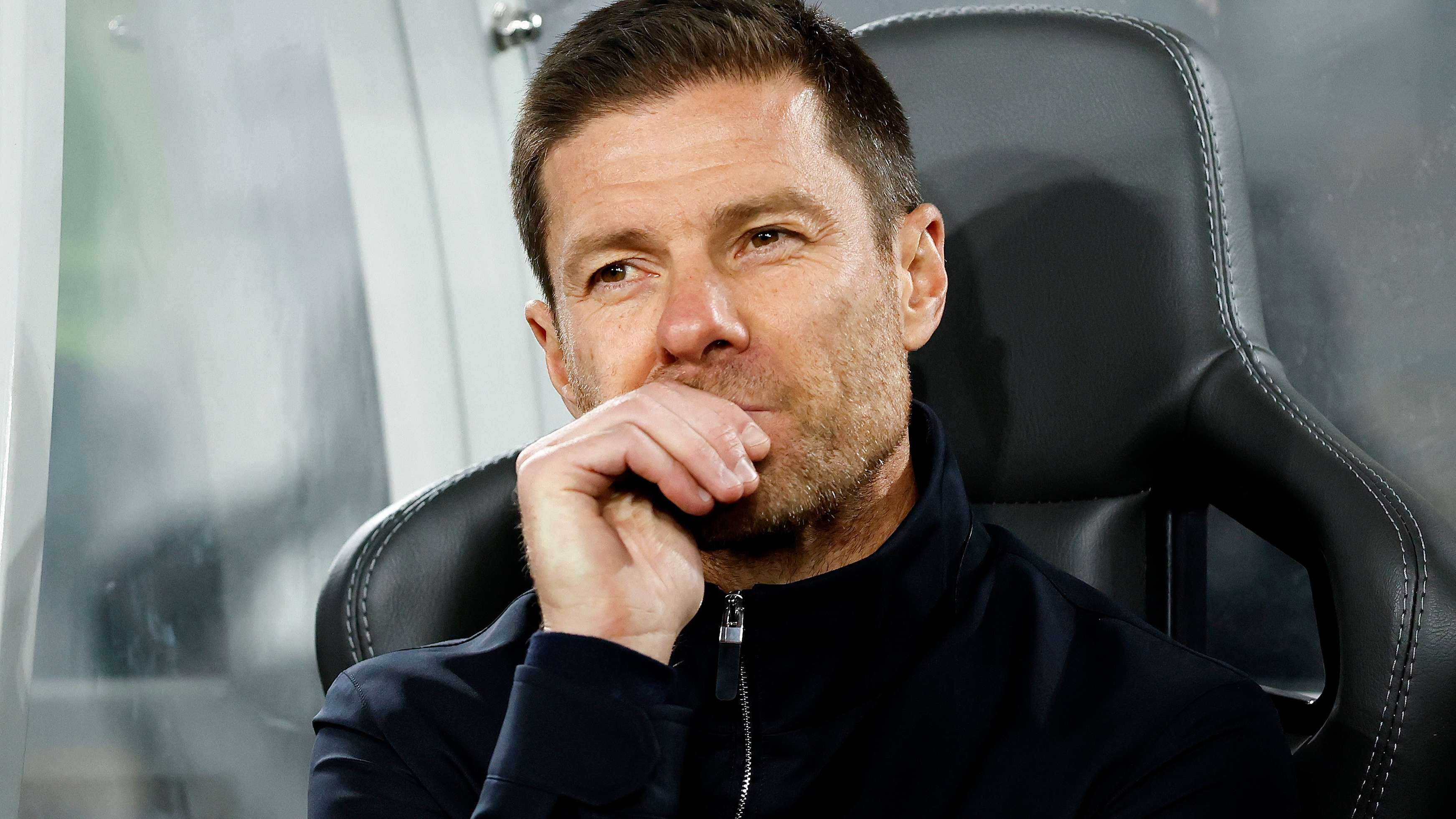
Since taking the helm at Chelsea this summer, Xabi Alonso’s managerial journey has been anything but dull. With a squad brimming with attacking talent and tactical ambition, the Blues have shown flashes of brilliance. However, beneath the surface lies a series of issues that threaten to derail their season before it truly begins. As Chelsea heads into the first international break of the campaign, football enthusiasts and prediction analysts alike are eager to assess whether Alonso can steer this talented but inconsistent side toward stability and success.
Early Season Performance: A Mixed Bag of Results and Revelations
In their first five Premier League fixtures under Alonso, Chelsea has recorded an encouraging tally of two wins, one draw, and two defeats. This record, while not extraordinary, offers enough evidence to recognize that the team is evolving rapidly. The Chelsea side has visibly adopted a more fluid, possession-based style, echoing Alonso’s footballing philosophy rooted in control and positional play. Yet, the results and underlying statistics reveal a team still finding its footing.
One of the most striking statistics at this early stage is Chelsea’s defensive record. The team has conceded 12 goals—more than any other side in the league—although they have played an extra game compared to most rivals. This defensive vulnerability was laid bare in their 3-0 loss at Brentford, exposing cracks that Alonso must urgently address. The lack of a clean sheet so far is a clear indicator that defensive organization and tactical cohesion remain works in progress.
Dissecting the Defensive Woes: Beyond Personnel
Despite efforts to reinforce the backline with signings like Emiliano Martínez and Maxence Lacroix, the defensive issues extend beyond individual mistakes or personnel gaps. The root of the problem lies in tactical implementation and consistency. Alonso’s preferred system, a back-three setup inspired by his Bundesliga success with Bayer Leverkusen, has been a work in progress.
While the back-three formation offers flexibility and solidity, Chelsea’s shifting between a back three and a back four depending on match circumstances has created structural instability. The team’s possession stats further illuminate the issue: averaging only 47.5% possession across five games, Chelsea ranks 11th in the league—a surprising figure given Alonso’s possession-centric approach. This indicates opponents have been able to pin Chelsea back, exploiting spaces and creating dangerous opportunities, especially on the flanks.
Defensive lapses are compounded by the high-risk, high-reward shape Alonso employs. His tactical setup often involves narrow front three and a 5-2-3 shape when out of possession, designed to counterattack swiftly. However, this leaves wide areas vulnerable, and opponents with technical prowess have exploited these gaps, creating overloads and stretching Chelsea’s wing-backs and wide defenders. To predict Chelsea’s improvement, analysts are watching how Alonso adjusts his tactical discipline and communication to tighten defensive gaps.
The Midfield Conundrum: Short on Control and Creativity
One of the more glaring issues in Chelsea’s early season prediction landscape is the midfield. The summer sale of Enzo Fernández and Andrey Santos for a combined fee of up to £175 million was a strategic move aimed at balancing the books—a commendable financial decision. Yet, this has left the midfield short of quality options, especially in terms of control and resilience.
Injuries have further hampered Alonso’s plans. Moisés Caicedo, the club’s marquee signing, has seen just 14 minutes of action due to a calf injury, leaving the midfield reliant on Jordan Henderson, Valentín Barco, Roméo Lavia, and occasionally full-backs Reece James and Malo Gusto. While these players are talented, they lack the cohesion and ball-progression ability that Alonso’s game model demands.
Control of possession and space is central to Alonso’s tactical philosophy—an approach that relies heavily on a disciplined, ball-retentive midfield. The absence of a dominant, commanding midfielder has led to a lack of stability and increased pressure on the defensive line. As Chelsea navigates the season, the return of Caicedo and potential January reinforcements are expected to be key in restoring control and building the necessary midfield partnerships.
Attacking Brilliance: The JP Morgan Trio Lights Up Stamford Bridge
While defensive and midfield issues dominate the narrative, Chelsea’s attack has been a source of excitement and optimism. The summer signing of Morgan Rogers from Aston Villa has injected energy into the front line, quickly establishing himself as an integral part of the attack. Alongside Cole Palmer and João Pedro, the trio has combined to produce some of the season’s most thrilling football.
In just five games, Rogers has scored three goals and provided one assist, making him the standout performer among Chelsea’s attacking options. João Pedro, who acts as the focal point of the attack, and Palmer, who links midfield and attack from the right half-space, have formed a fluid, poetic partnership reminiscent of the attacking trios Alonso admires. Their chemistry and movement have created numerous goal-scoring opportunities, and they have contributed eight of Chelsea’s ten league goals and six of their nine assists so far.
However, the health and form of this attacking trio remain pivotal. With Palmer and João Pedro both currently under assessment ahead of the upcoming fixture against Bournemouth, Chelsea’s hopes of competing for silverware hinge on maintaining their offensive momentum. The potential of this attacking unit offers hope that, despite defensive struggles, the team can outscore opponents and build confidence moving forward.
Looking Ahead: The Challenge of Creating Balance
The international break presents Xabi Alonso with a crucial opportunity: time. Time to refine defensive organization, develop midfield cohesion, and instill a tactical identity that balances attack and defense. The key question for prediction analysts and fans alike is whether Alonso can transform Chelsea into a more balanced side before the season slips away.
While the attack is promising, the real test lies in controlling games without conceding soft goals. The early signs suggest that Chelsea’s style of possession-based football can deliver exciting moments, but it must be complemented by defensive resilience. The team’s ability to adapt tactically and improve off-the-ball coordination will determine whether Alonso’s vision can be realized in the Premier League.
Final Thoughts: A Season of Opportunity and Uncertainty
For football prediction enthusiasts, the current Chelsea setup offers a fascinating case study. The squad features enough attacking talent to suggest a high-scoring, entertaining season. Yet, the defensive frailties and midfield instability introduce unpredictability, making accurate predictions challenging. As Alonso continues to build his team, the balance between flair and solidity will be the defining factor of their campaign.
In essence, Chelsea under Alonso embodies the pursuit of a footballing philosophy—one rooted in possession, control, and attacking creativity. The initial results are mixed, but the underlying potential is evident. With strategic tweaks, tactical discipline, and a bit of patience, the Blues could evolve into a formidable force in the Premier League. For now, fans and analysts remain curious—eager to see if Alonso can give Chelsea the balance they need to turn promise into consistent performance and, ultimately, success.