
Walid Regragui Criticizes Portugal’s Handling of Cristiano Ronaldo’s Late-Career Crisis
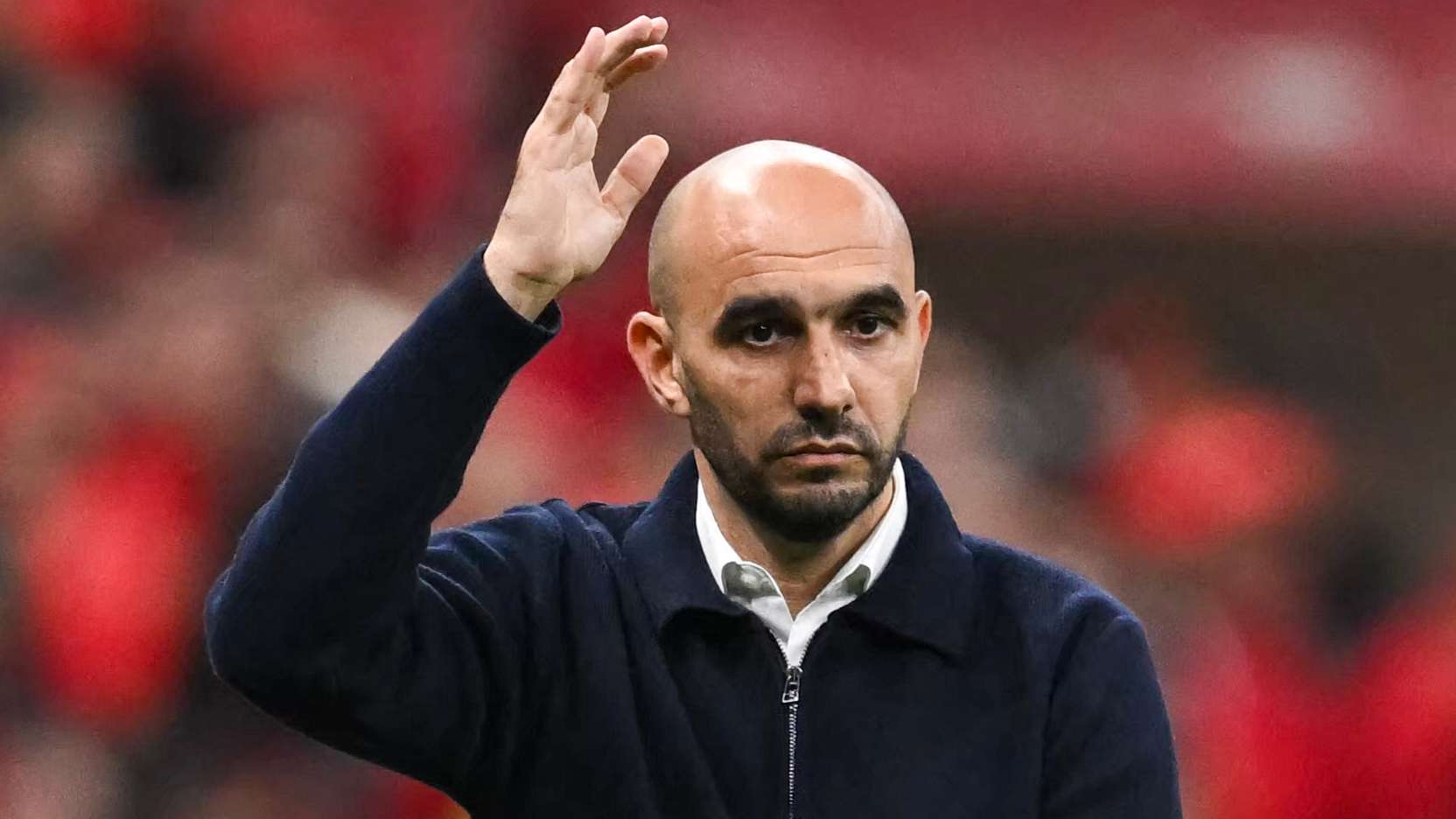
Former Morocco head coach Walid Regragui has questioned how Portugal managed the final stage of Cristiano Ronaldo’s international career, arguing that the situation could have been handled with greater care and clearer communication. In comments on Canal+’s Football Club, reported by Foot Mercato, Regragui said Ronaldo’s immense contribution to Portuguese football should have been acknowledged while the national team made difficult decisions about its future.
The discussion has renewed attention on Ronaldo’s place in Portugal’s plans and the challenge facing a team balancing respect for one of its greatest players with the demands of building for the next generation. For supporters following the latest football news, the debate is not simply about selection. It also concerns leadership, team culture and how a national side manages the departure of a global icon.
Regragui Says Ronaldo Deserved a Clear Conversation
Regragui was careful not to suggest that Ronaldo’s achievements entitled him to unlimited influence. Instead, he argued that the player’s status made direct, respectful communication especially important. In his view, Portugal’s leadership should have spoken openly with Ronaldo about whether it was time for him to step aside or accept a different role.
“Ronaldo has given a great deal,” Regragui said, noting that the player helped raise the profile of both Portuguese footballers and the national game. He added that such a legacy does not mean a player can do whatever he wants, but said the final phase of the situation had been handled poorly. Someone, he suggested, should have sat down with Ronaldo and explained that the time had come to stop.
That distinction is central to the argument. A coach may have legitimate sporting reasons to change a team’s structure, reduce a veteran’s playing time or plan for life beyond a long-serving star. But when the player involved has represented the country for years and become a defining figure in its football history, the way those decisions are communicated can shape public perception as much as the decisions themselves.
Questions Over Communication Between Ronaldo and the Coach
Regragui also pointed to the relationship between Ronaldo and Portugal’s coach, noting that the two had worked together at Al-Nassr. He suggested that conversations about Ronaldo’s future should have taken place before tensions became a public issue. If both sides had already discussed whether the forward would continue, Regragui argued, the eventual outcome should not have been allowed to damage either party’s reputation.
“Both parties have harmed themselves,” he said, describing the situation as regrettable. His comments imply that uncertainty can become a problem when a player, coach and national association do not appear to share a clear plan. Even without public details of private discussions, a lack of visible alignment can fuel speculation about selection, authority and the team’s direction.
For Portugal, the sporting question is complicated. Ronaldo’s experience, goal-scoring record and ability to attract attention remain valuable, but international teams must also consider tactical balance, match fitness and the development of younger forwards. A successful transition is rarely achieved through one dramatic announcement. It usually depends on an agreed role, honest dialogue and a consistent message from the coach and the player.
Ronaldo’s 1,000-Goal Ambition Adds to the Debate
Regragui suggested that Ronaldo’s personal ambition may also be part of the wider picture. The Portuguese forward has pursued historic scoring milestones throughout his career, and Regragui believes reaching 1,000 goals could be an important target for him. He speculated that Ronaldo may want to achieve that landmark while wearing Portugal’s shirt.
Such a milestone would be an extraordinary individual accomplishment, but it can create tension when personal goals overlap with a national team’s priorities. A football squad must make decisions based on collective performance, not only a player’s record. When a famous figure is chasing a historic number, every appearance, substitution or omission can quickly become a headline—and can make ordinary coaching decisions appear symbolic.
Regragui’s concern was that the situation risks creating a negative image around a career that has otherwise been defined by remarkable success. Ronaldo’s international achievements have helped make Portugal a regular presence among the leading teams in world football. The challenge now is to ensure that the discussion about his final chapters does not overshadow the contribution that came before them.
Regragui Compares Portugal’s Response With Argentina’s Support for Messi
The former Morocco coach drew a sharp comparison with Lionel Messi’s relationship with Argentina. Regragui said he had not sensed the same level of collective reverence for Ronaldo among Portuguese teammates that he saw around Messi in Argentina. In his view, Argentine players and supporters were more willing to rally behind their captain, including during the final stage of Messi’s World Cup journey.
Regragui argued that Argentina’s players accepted the demands of competing for Messi, while he did not believe Portugal had shown the same willingness to run and fight for Ronaldo. The comparison is striking, although the two situations developed under different circumstances. Messi’s relationship with Argentina was shaped by years of international disappointment before the team’s eventual triumph, while Ronaldo’s Portugal career has included major tournament success and a different set of expectations.
National-team cultures are also difficult to measure from the outside. A player’s influence can be visible in public celebrations and interviews, but it is also expressed through training, tactical responsibilities and private relationships within the squad. Regragui’s comments are therefore best understood as his assessment of the two teams’ public dynamics, rather than a complete account of how every Portuguese or Argentine player feels.
What Happens Next for Portugal?
Portugal now faces a familiar challenge for teams built around a legendary player: how to honour the past without allowing it to dictate every decision about the future. Ronaldo remains one of the most recognizable figures in football, but the national side must also prepare younger players to take on greater responsibility and establish a style that can succeed across different line-ups.
The most constructive path would likely involve clarity from all sides. A defined role can help a veteran contribute without leaving the coach’s plans uncertain, while an honest conversation can prevent selection decisions from becoming a prolonged public dispute. If Ronaldo and Portugal’s leadership can agree on expectations, the transition could be managed with dignity and give the team a stronger platform for its next chapter.
For fans seeking a football prediction about what comes next, the answer will depend less on reputation than on communication and performance. Ronaldo’s legacy in Portugal is secure, but the closing phase of an international career can still influence how that legacy is remembered. Regragui’s message is that Portugal should have treated the moment with greater care: respecting what Ronaldo achieved while making the team’s future unmistakably clear.