
Brazilian Under-20 Football Match Sets Record After 51 People Are Sent Off
A youth football match in Brazil has made global headlines for all the wrong reasons after a mass brawl led to 51 dismissals and left parts of the stadium damaged. The extraordinary incident occurred during the first leg of an under-20 semi-final in the Minas Gerais state championship, where Uberlândia faced Mamoré.
The referee abandoned the match in the 54th minute after violence spread across the pitch and drew in players, substitutes and staff from both teams. The total number of people sent off—43 players and eight members of the technical staff—surpassed the previous reported world record of 36 dismissals, set during a match in Argentina in 2011.
The episode has prompted renewed discussion about discipline, player safety and crowd control in football, particularly at youth level. While records are usually celebrated for sporting achievements, this one was created by a breakdown in order that prevented a crucial knockout match from reaching its conclusion.
How the Match Turned Into a Mass Brawl
The fixture was the opening leg of the Minas Gerais second-division under-20 semi-final. According to reports from Brazilian media, including O Tempo, tensions boiled over after Mamoré scored to take a 3–1 lead.
Davi Fernandes Bitencourt, identified in reports as a Mamoré player, allegedly made provocative gestures toward the Uberlândia bench after the goal. What followed was a rapid escalation: players and staff exchanged insults, and the confrontation soon became physical. Video footage shared on social media appears to show a large group gathering near the Uberlândia substitutes’ area as the disorder spread.
The disturbance was not limited to the players on the field. Substitutes and members of both technical teams became involved, while reports also said that ball boys entered the fray. With so many people caught up in the confrontation, officials were unable to restore control quickly enough to continue the game safely.
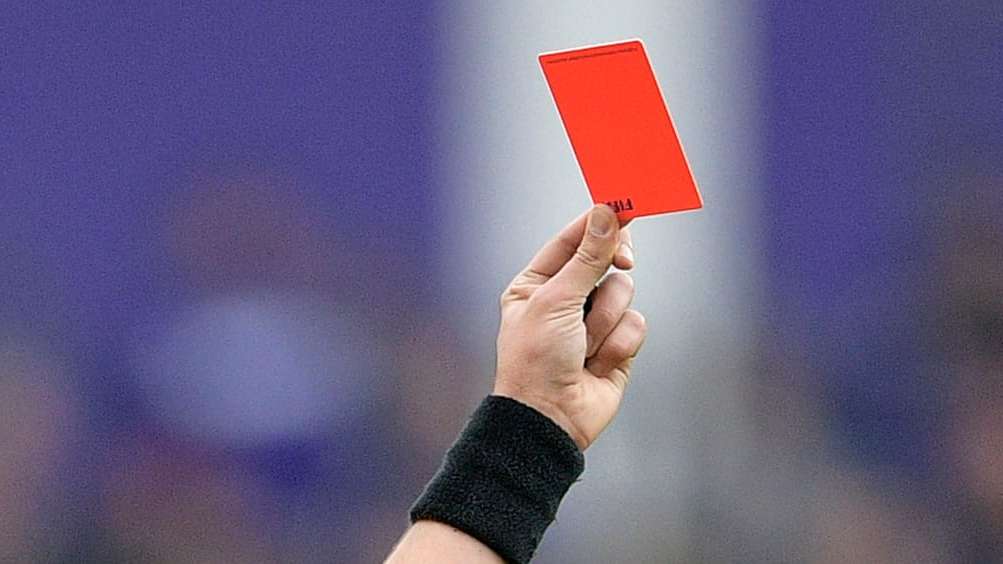
The referee stopped play in the 54th minute and issued dismissals on an unprecedented scale. The mass red-card count meant that the match could not resume, leaving the semi-final first leg unfinished and its sporting outcome unresolved. Any decision about the result or the next stage is expected to depend on the relevant competition authorities and their disciplinary review.
A New Record—and a Warning for Football
The reported 51 dismissals exceed the previous benchmark of 36, which was set in an Argentine match in 2011. The comparison underlines the unusual scale of the Brazilian incident, though the record is not a measure of footballing success. Instead, it reflects a match in which the officials concluded that too many participants had crossed the line for play to continue.
Mass confrontations are rare, but they can have consequences far beyond a single result. Players may face suspensions, clubs can be fined, and competition organisers may review whether their safety procedures were adequate. Disciplinary panels typically consider video footage, referee reports and statements from those involved before deciding on sanctions.
At under-20 level, the stakes can feel especially high. Young players are competing for places, recognition and future opportunities, while coaches and clubs are responsible for setting standards around conduct. The incident is a reminder that emotional control is part of the game: provocation, retaliation and group involvement can turn a competitive moment into a serious safety issue within seconds.
Damage Reported at Parque do Sabiá Stadium
The consequences were reportedly felt inside the stadium as well as on the pitch. Parque do Sabiá’s manager reported damage to the facilities and called in the police. The Minas Gerais military police intervened during the incident, but the venue was left with significant damage, according to local reports.
Items said to have been affected included around 14 doors, washbasins, taps, showers and toilets. Lockers, wooden benches and electrical wiring were also reportedly damaged. The report further listed patient stretchers and two jacuzzi tubs among the property affected.
The scale of the damage could add another layer to the fallout. Repairs may disrupt the stadium’s normal operations, while officials may need to determine how costs should be handled and whether individuals or clubs bear responsibility. Those questions are separate from the football disciplinary process, but they demonstrate how a pitch-side confrontation can create wider financial and logistical problems.
What Happens Next for Uberlândia and Mamoré?
Because the first leg ended prematurely, attention now turns to the competition organisers and the applicable rules. Authorities will need to assess the referee’s account, review available footage and decide how the abandoned match affects the semi-final. Possible outcomes can vary by competition regulations, so a final ruling should not be assumed until the governing body makes an announcement.
The teams may also face individual disciplinary proceedings. The number of dismissals alone does not determine what sanctions will follow: investigators may examine each person’s actions, distinguish between involvement in the fight and attempts to intervene, and consider any evidence of provocation or injury.
For supporters searching for a match prediction or a preview of the next meeting, the sporting picture is now difficult to separate from the disciplinary questions. The teams’ form and tactics matter, but so do the availability of players, potential suspensions and the official decision on the abandoned first leg. Until those details are confirmed, any prediction about the semi-final remains uncertain.
A Record No Club Wants to Repeat
The Uberlândia–Mamoré match will be remembered not for a dramatic comeback or a decisive goal, but for a record number of people being sent off and the damage reported afterward. The episode offers a stark reminder that football depends on more than skill and competition: respect for officials, opponents and the safety of everyone at the venue is essential.
As the investigation and disciplinary process continue, the central question is not simply who will advance in the tournament. It is how clubs and organisers can prevent a similar chain reaction in future matches. For Brazilian football, the hope will be that this unwanted record prompts meaningful action—and remains an extraordinary exception rather than a precedent.