
Fabio Cannavaro Says Mohamed Salah Could Have Beaten Him One-on-One
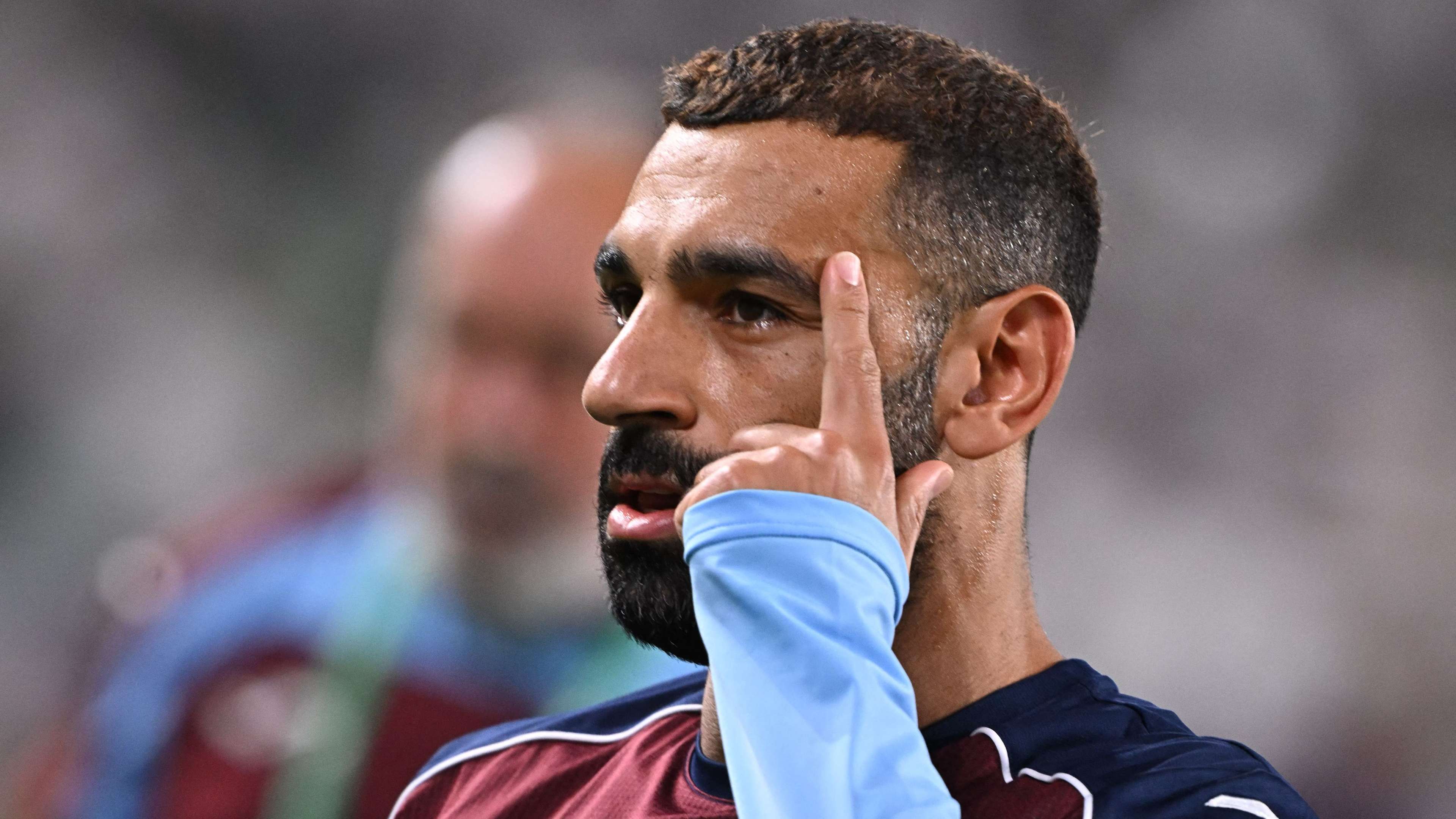
Fabio Cannavaro is not known for giving praise without good reason. The former Italy captain, 2006 Ballon d’Or winner and World Cup champion built his reputation by stopping some of football’s most dangerous forwards. That is why his candid assessment of Mohamed Salah has attracted attention: Cannavaro believes the Egyptian star’s dribbling could have taken him past even one of the game’s greatest defenders.
Speaking in a rare interview on Egypt’s On Sport channel, Cannavaro was asked directly whether Salah would have got the better of him had they played in the same era. His answer was both generous and self-effacing. “Salah is a great talent. I’m fortunate that I didn’t play in the same era as him,” he said. “And yes, regarding your question, he would have got past me with his dribbling too.”
The comment offers a striking measure of Salah’s standing. Cannavaro spent his career facing elite attackers at club and international level, and was renowned for reading the game, timing challenges and staying composed under pressure. His admission was not a prediction about a particular match, but a personal recognition of the qualities that make Salah so difficult to defend against.
Cannavaro Followed Salah’s Progress in Italy
Cannavaro’s admiration did not begin during Salah’s most celebrated years at Liverpool. He said he had been watching the forward’s development during his time in Italian football, including spells with Fiorentina and Roma. Those seasons gave Salah the opportunity to adapt to a demanding league and sharpen the speed, movement and decision-making that would later become central to his game.
Italy is often associated with disciplined defending and tactical organisation, making it a testing environment for attacking players. Salah’s performances there helped establish him as a dynamic threat, particularly when he could receive the ball in space and drive towards goal. Cannavaro’s recollection suggests that the Egyptian’s potential was visible well before he became a global football superstar.
His career continued to evolve after moving to Liverpool, where he flourished under manager Jürgen Klopp. Cannavaro specifically highlighted the influence of Klopp’s leadership, saying Salah developed further during his time at the English club. The partnership proved transformative: Salah became a consistent source of goals and assists while contributing to Liverpool’s attacking intensity and success in major competitions.
Why Salah Is So Difficult to Defend
Salah’s threat is built on more than pace. He can accelerate past a defender, change direction sharply and use close control to create room in crowded areas. He is also capable of cutting inside from the right flank to shoot with his left foot, combining individual skill with an instinct for finding dangerous positions. For defenders, that variety makes it difficult to predict whether he will dribble, pass or finish.
That unpredictability is central to Cannavaro’s assessment. A defender of his calibre would have studied an opponent’s habits and tried to guide him away from the most dangerous areas. But Salah’s ability to alter his movement at speed can make even a well-positioned defender vulnerable. Cannavaro’s answer recognises that one-on-one contests are not decided by reputation alone; timing, balance and a moment of hesitation can change the outcome.
Salah has also become a more complete footballer over the course of his career. While his finishing remains a defining feature, he contributes through intelligent runs, link-up play and the creation of chances for teammates. His experience has helped him choose when to take on a defender and when to release the ball, making him more than a specialist winger or goal scorer.
A Career Built on Continued Improvement
Cannavaro described Salah as “one of the best attackers of the modern era” and praised the way he has grown into a “multi-talented and complete footballer.” The distinction matters. Many players make an impact through one outstanding attribute, but sustained success at the highest level requires adaptation. Salah has remained a major attacking presence by refining his game as opponents adjust their defensive plans.
His journey from Italian football to the Premier League also reflects the importance of development and opportunity. At each stage, Salah has had to respond to new tactical demands, stronger opposition and greater expectations. Rather than relying solely on speed, he has added experience and composure to his game. That progression is one reason why praise from a legendary defender carries particular weight.
For supporters, Cannavaro’s remarks provide a fresh perspective on Salah’s career. Fans are accustomed to seeing the Egyptian’s goals and records celebrated, but a defender’s view highlights the challenge he presents before a shot is even taken. The threat begins with the possibility of a dribble, forcing opponents to make decisions that can open space for Salah or his teammates.
Respect From One Football Great to Another
Cannavaro concluded by saying he considers it a pleasure to have witnessed Salah’s development and to follow him on the pitch. It was a warm tribute from a player whose own legacy was built on mastering the defensive side of football. His words underline how Salah’s influence reaches beyond supporters and attacking players: even the sport’s most accomplished defenders recognise the difficulty of containing him.
As future fixtures bring new tests for Salah and his team, that reputation will continue to shape the opposition’s approach. Coaches will look for ways to limit his space, defenders will try to anticipate his movement, and analysts will examine every detail of his performance. Any football prediction about a match involving Salah must account for his capacity to change a game in a single moment—whether through a direct run, a precise finish or a pass that unlocks a defence.
Cannavaro’s verdict is not simply admiration for a famous name. It is an acknowledgement of a forward who has combined technical quality with sustained improvement and a rare ability to trouble elite opponents. For a defender who once stood among the best in the world, the possibility of being beaten by Salah is a compliment—and a vivid reminder of the Egyptian’s enduring class.