
Milan Zonneveld’s rapid rise draws comparison with Wout Weghorst
Milan Zonneveld’s journey from amateur football to the Eredivisie scoring charts is attracting attention. Just 18 months ago, the 23-year-old striker was playing for Quick Boys. Now, after a difficult spell at Telstar and a move to Sparta Rotterdam, he has scored six goals in the VriendenLoterij Eredivisie and is beginning to look like a forward with a much bigger future.
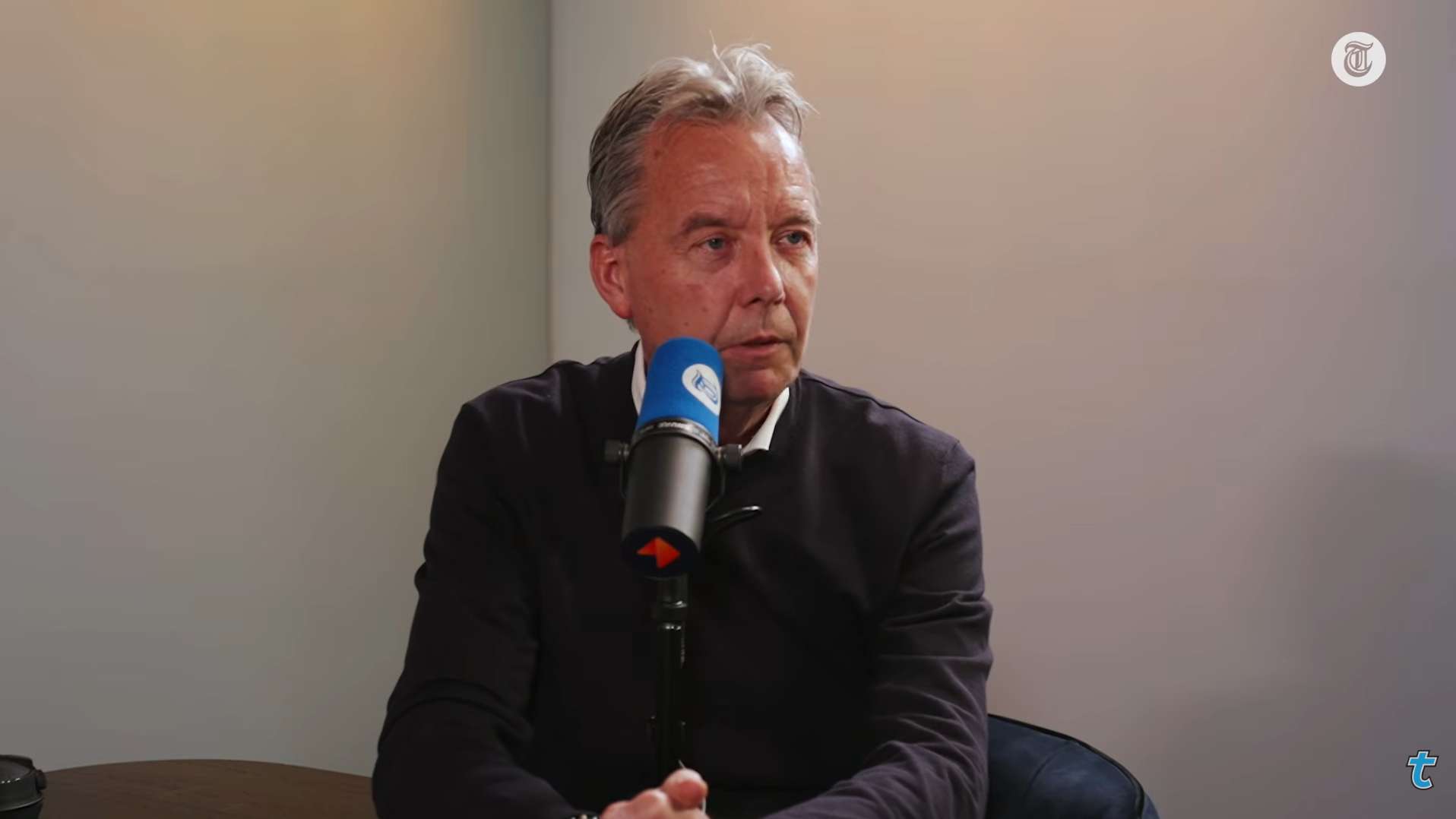
Among those impressed by his progress is De Telegraaf football journalist Valentijn Driessen. Speaking on the newspaper’s Kick-off podcast, Driessen explained that he had followed Zonneveld’s development closely because he wanted to see how the former Quick Boys player would adapt to professional football.
From Quick Boys to the Eredivisie spotlight
Moving from amateur football to the top tier of Dutch football can be a major adjustment, particularly for a striker. Forwards are judged heavily on goals, but they also need to handle faster defenders, tighter spaces and the pressure of delivering consistently. Driessen said Zonneveld’s progress interested him from the outset because the young attacker had to prove he could make that leap.
His first opportunity came at Telstar, but the move did not immediately produce the breakthrough he wanted. Zonneveld struggled to score regularly, and his time at the club ended with a transfer that saw him move to Sparta Rotterdam. Icelandic forward Arno Thórisson went in the opposite direction, joining Telstar from Sparta.
Despite Zonneveld’s limited goal return at the time, Driessen believed Sparta had secured a player with valuable qualities. He told Maurice Steijn, then associated with the Rotterdam club, that Zonneveld looked like a good signing because of his energy and persistence. The goals, however, remained elusive for a while.
A change in confidence and contribution
Zonneveld’s current form suggests that patience may be paying off. His six Eredivisie goals have made him one of the division’s leading scorers, while his recent performances have shown more than just a growing instinct in front of goal. Driessen highlighted a moment against Willem II in which Zonneveld created an opportunity with a clever pass from the edge of the penalty area.
That piece of play caught the journalist’s attention because it reflected a broader development in Zonneveld’s game. A striker’s value is not measured solely by finishing: movement, awareness and the ability to bring teammates into attacking positions can also make a significant difference. The deft through ball suggested that Zonneveld is becoming more composed and creative, as well as more productive.
For Sparta, those qualities could make him a useful option across a demanding season. A forward who presses, keeps working and can contribute to build-up play gives a coach more flexibility than a striker who depends entirely on chances inside the penalty area. If Zonneveld can maintain his scoring rhythm while continuing to improve his link-up play, he may become an increasingly important part of the team’s attack.
Driessen sees a possible Weghorst connection
Driessen also drew a comparison with Wout Weghorst, whose career offers an example of how a striker can continue climbing after a relatively modest start. At 23, Weghorst was playing for Heracles Almelo. He later moved through AZ, VfL Wolfsburg, Burnley and Beşiktaş before reaching Manchester United.
The comparison is based less on an identical playing style or career path than on a shared quality: relentless effort. Driessen described Zonneveld as a player who keeps going throughout a match, a trait that has long been associated with Weghorst. That persistence can help a striker stay involved even when chances are scarce, apply pressure to defenders and remain ready to take advantage when an opportunity finally arrives.
Driessen joked that Weghorst is now on the decline and suggested Zonneveld might become “the new Weghorst.” It is a striking prediction, but it should be viewed as an early comparison rather than a guarantee. Zonneveld is still at the beginning of his professional career, and sustaining his current form over a full season will be a more meaningful test than a short run of goals.
What comes next for Sparta’s emerging striker?
For supporters, the most encouraging sign is that Zonneveld appears to be developing at more than one level. His goal tally has brought him attention, but his movement, work rate and improved decision-making may be just as important to his long-term prospects. The ability to make a difference even when he does not score is often what separates a promising run from a dependable career at the highest level.
There are still challenges ahead. Eredivisie opponents will study his movement, defenders may give him less space, and the pressure to keep scoring can grow quickly once a striker becomes a headline-maker. Zonneveld will need to adapt again, showing that his recent output is not simply a temporary surge but part of a more complete and sustainable game.
Even so, his rise is a reminder that football careers do not always follow a straight line. A difficult spell at Telstar did not end his progress; it became one stage in a longer journey from Quick Boys to Sparta. If he continues to combine persistence with sharper finishing and creative play, Zonneveld could become one of the Eredivisie’s most intriguing young forwards. For now, the prediction is clear: his next performances will be watched closely by Sparta fans, rival clubs and anyone interested in the league’s emerging talent.