
Nicky Butt Questions Lisandro Martínez’s Form and Conduct at Manchester United
Manchester United great Nicky Butt has delivered a sharp assessment of Lisandro Martínez, criticising the defender’s recent performances and his public remarks about the club’s leadership. Butt also brought up the controversy surrounding a Falklands Islands banner displayed by Argentina players during the 2026 World Cup, arguing that Martínez should not expect sympathy while his form remains below expectations.
The comments add to the scrutiny facing United as the club seeks greater consistency on the pitch. Martínez, who arrived at Old Trafford with a reputation for intensity and strong defending, has endured a difficult spell. For Butt, the concerns extend beyond individual mistakes: he believes the Argentine must show that his performances and public conduct match the standards expected of a Manchester United player.
Butt’s criticism focuses on form and public comments
Butt’s remarks were particularly pointed because Martínez has also criticised aspects of United’s management. Former players often speak openly about the club, but Butt’s response suggests he believes criticism carries greater weight when it comes from a player who is delivering consistently on the field.
In Butt’s view, Martínez’s recent level has not justified his willingness to speak out. That argument reflects a familiar debate in football: should players be encouraged to challenge decisions and discuss problems publicly, or should they first demonstrate their value through performances? At a high-profile club such as United, comments from players can quickly become part of a wider discussion about dressing-room standards, accountability and leadership.
Martínez’s position is complicated by the demands of his role. As a central defender, he is judged on more than tackles and blocks. Supporters and analysts also assess his positioning, decision-making under pressure, ability to organise the back line and contribution to playing out from defence. When a team struggles, defenders are often exposed to greater scrutiny, particularly if errors lead directly to goals or costly chances.
World Cup banner reignites Falklands controversy
Butt also revisited an incident from Argentina’s 2026 World Cup campaign. After Argentina defeated England 2-1 in the semi-final in July, several players were pictured holding a banner bearing the words, “The Malvinas Islands are Argentine.” Martínez stood alongside Cristian Romero and Giovani Lo Celso.
The Malvinas Islands are known in the United Kingdom as the Falkland Islands. Their sovereignty remains a deeply sensitive issue, shaped by competing national claims and the 1982 conflict between Britain and Argentina. As a result, the banner attracted attention well beyond football, with the post-match celebration becoming a diplomatic and cultural talking point as well as a sporting moment.
The Argentine Football Association was fined £235,000 over the incident, according to the report cited by the Mirror. Martínez, however, escaped personal punishment. Butt’s decision to raise the episode again shows how actions taken during an international tournament can follow a player back to club football, especially when they involve a subject with strong political and historical significance.
For supporters, the controversy may be viewed in different ways. Some see the banner as an expression of national identity; others consider it provocative, particularly given the history between the two countries. Whatever the interpretation, the episode has become part of the wider conversation surrounding Martínez’s public image.
Manchester United’s next fixtures add pressure
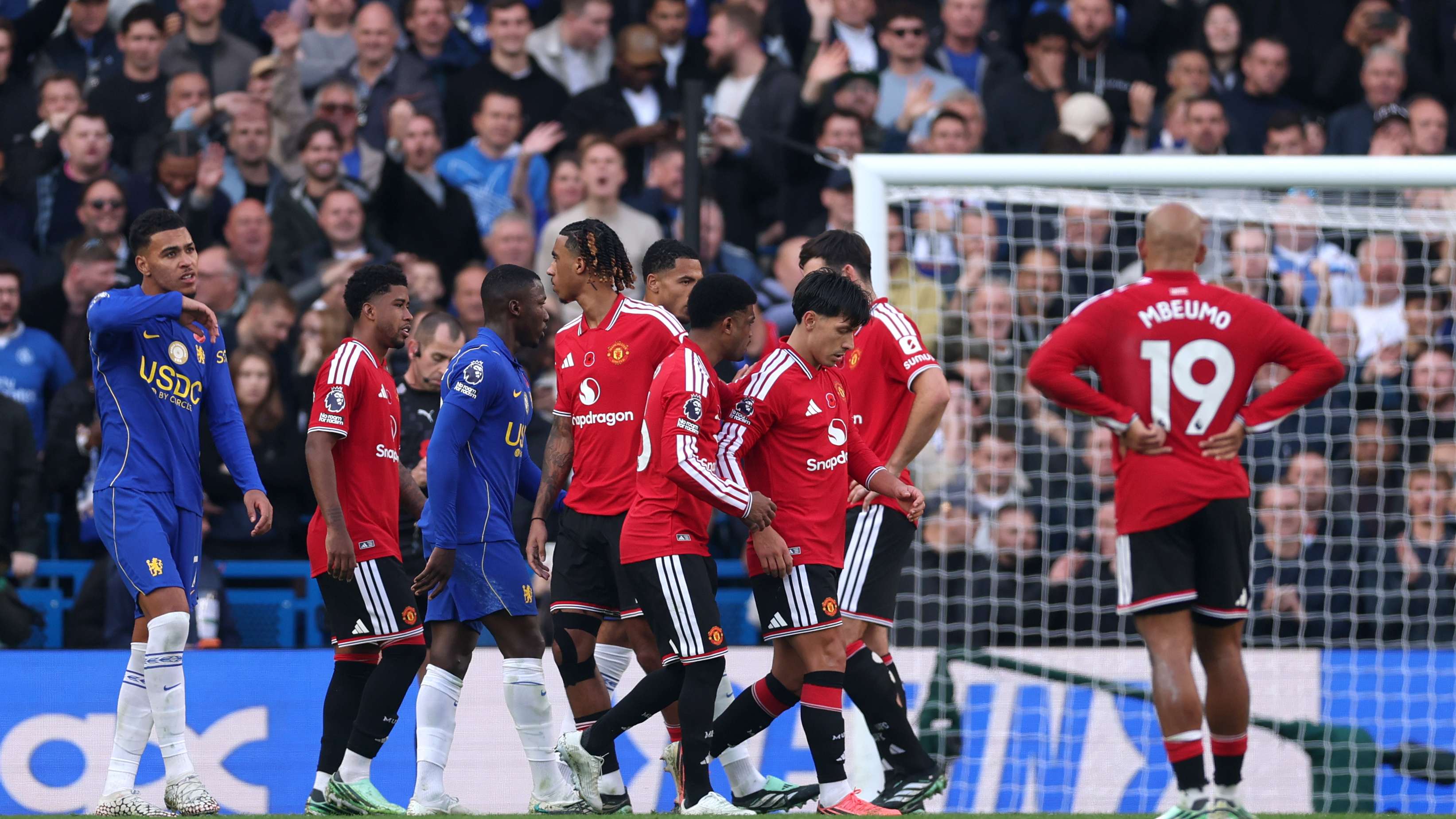
United have little time to let the debate settle. Their upcoming schedule includes a Champions League meeting with Roma on 4 November 2026, followed by a Premier League fixture against Chelsea on 8 November. Both matches offer Martínez an opportunity to answer criticism in the most direct way available to a footballer: with a composed and convincing performance.
European games can place particular demands on defenders, as opponents look to exploit spaces between the back line and midfield. Against Roma, United will need discipline in transition and clear communication at the back. The Chelsea match presents a different challenge, with the pace and movement of Premier League attackers likely to test the defence’s concentration over the full 90 minutes.
Those fixtures could influence the tone of the discussion around Martínez. A strong display would not erase the banner controversy or settle every question about his comments, but it could help shift attention back towards his football. Conversely, further mistakes may intensify pressure on both the player and the club’s decision-makers.
What the criticism means for Martínez
Butt’s intervention highlights the fine line elite players must navigate between expressing an opinion and maintaining the confidence of supporters. Manchester United’s history gives former players a powerful platform, while the club’s global profile means even a brief comment can attract widespread attention. For Martínez, the challenge is to avoid allowing off-field debate to overshadow his contribution on the pitch.
There is also a broader question about how United manage criticism from within their squad. Public disagreements can expose frustration, but they may also signal that players believe concerns are not being addressed privately. The club must balance open communication with a united public front, particularly during a demanding run of fixtures.
Any prediction about Martínez’s future influence at United will depend on more than one interview or one match. His fitness, consistency and ability to build partnerships in defence will all matter. So will the team’s overall form: individual defenders often look more assured when the midfield protects them and the side controls possession.
For now, Butt’s comments have placed Martínez back in the spotlight. The defender faces criticism over his performances, questions about his public stance and renewed attention on a politically charged World Cup moment. His response will be watched closely, with the coming matches offering an immediate test of whether he can turn the conversation away from controversy and towards the football.