
Bruno Fernandes’ Manchester United Future: The Three Questions Mauricio Pochettino Must Answer
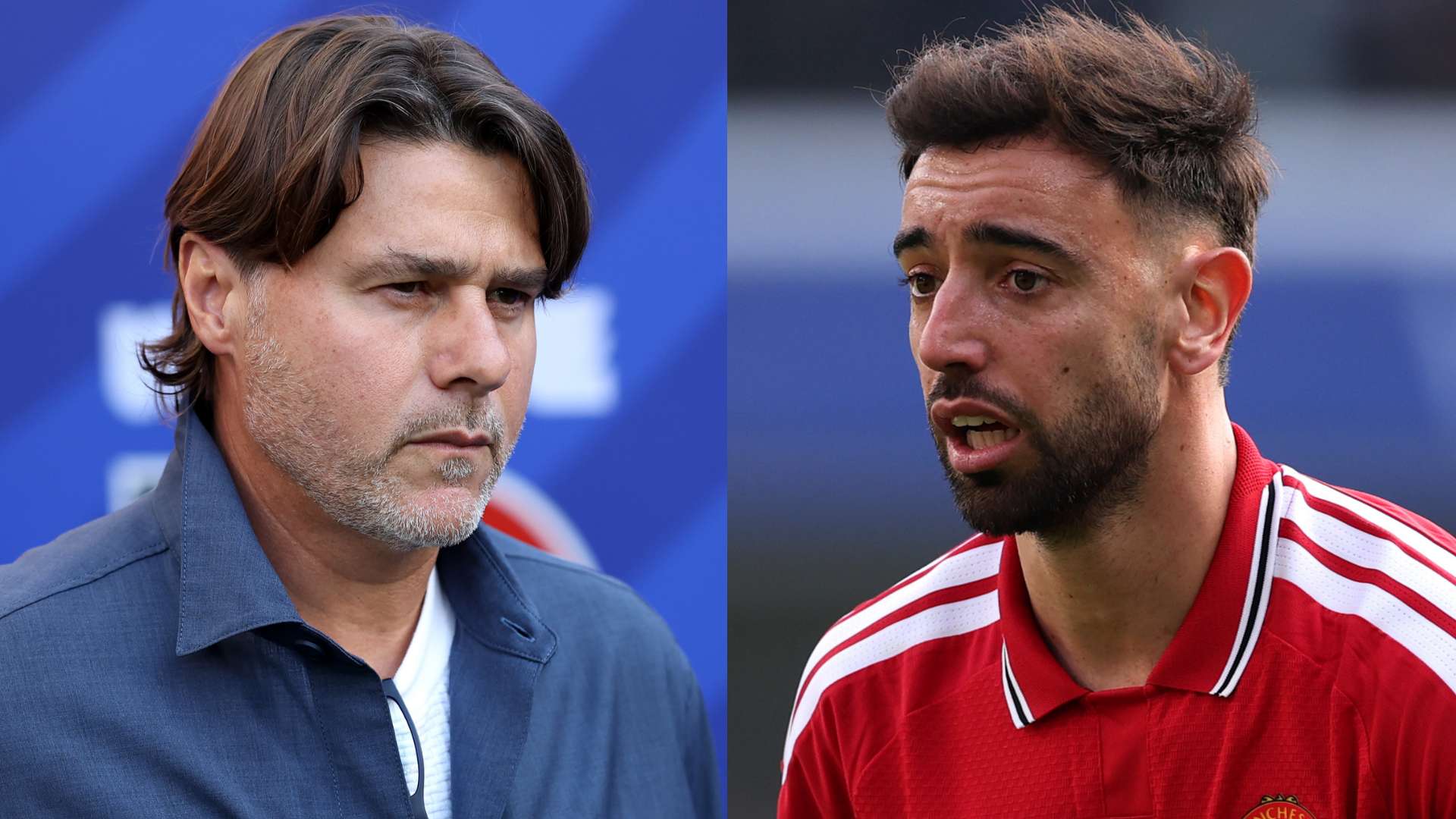
Bruno Fernandes remains one of Manchester United’s most influential players, but his long-term future at Old Trafford is attracting fresh attention. Former United midfielder Morgan Schneiderlin has told GOAL that three key factors could determine whether the club captain stays under new head coach Mauricio Pochettino: the manager’s plans, the team’s direction and the terms of Fernandes’ next contract.
Fernandes is reportedly understood to have rejected United’s latest contract offer, adding uncertainty to a situation that could become one of the club’s most important decisions. The Portuguese midfielder has been central to United’s attacking play since arriving in 2020, regularly contributing goals, assists and leadership. Yet a new manager’s arrival can reshape a squad’s priorities—and even a star player’s role.
Why Fernandes’ role matters to United
Fernandes is more than a creative midfielder. As captain, he is a prominent voice on the pitch and a key link between United’s midfield and forward line. His willingness to take risks, attempt decisive passes and arrive in scoring positions has made him a defining figure in the team’s recent seasons.
That influence also makes his future especially significant. If United want to build a new side around Pochettino’s ideas, they will need to decide whether Fernandes is a natural fit for the project—and whether the club can offer him the sporting ambition and financial terms he expects. A contract decision is therefore not simply a question of salary. It is also a statement about the club’s plans and the player’s place within them.
1. Can Pochettino make Fernandes central to his system?
The first factor is tactical. Pochettino will need to assess how Fernandes fits into the way he wants United to play. The midfielder is at his most effective when he can operate between the lines, move into dangerous areas and attempt forward passes. A system that gives him room to create could bring out his best qualities.
However, a new coach may also ask for different responsibilities. Pochettino could demand greater positional discipline, more control in possession or a different balance between pressing and attacking freedom. Fernandes has shown that he can work hard without the ball, but the details of his role will matter. If he is asked to play deeper or is frequently moved away from the areas where he can influence attacks, both player and manager would need to find a workable compromise.
For United, the challenge is to create a structure that makes the most of Fernandes without making the entire attack dependent on him. A well-organised midfield could give him more support, reduce the burden of carrying the creative workload and help the team maintain control when possession is lost.
2. Does United’s sporting project match his ambitions?
The second question concerns the club’s direction. Fernandes will want to know whether United can compete consistently for major honours, rather than relying on occasional strong performances. The quality of recruitment, the development of younger players and the team’s progress under Pochettino could all influence his view of a new deal.
United have often looked to Fernandes for inspiration when results have been difficult. But one player’s determination cannot compensate indefinitely for weaknesses across a squad. To persuade their captain to commit, the club must show that it is building a more balanced team—one capable of creating chances, defending effectively and challenging near the top of the Premier League.
This context is important for supporters considering any football prediction about United’s next chapter. A managerial appointment can create optimism, but sustained improvement depends on more than a change in the dugout. The club’s transfer decisions, consistency and ability to turn performances into results will provide a clearer indication of whether Pochettino’s project is taking shape.
3. Can both sides agree on a contract?
The third factor is the contract itself. Fernandes’ reported rejection of United’s latest offer suggests that the current proposal has not met his expectations, although a rejection does not automatically mean he wants to leave. Negotiations can continue, and the final agreement may depend on details such as salary, contract length, bonuses and guarantees about the club’s ambitions.
United must weigh the cost of a new deal against the importance of retaining a player who remains central to the team. Fernandes’ experience and output are difficult to replace quickly, especially if the club is also trying to strengthen other areas. At the same time, long contracts and high wages can limit flexibility, so the club will need to make a decision that works both on the pitch and within its broader squad plan.
For Fernandes, the calculation is equally complex. Staying could mean leading a new era under Pochettino and helping shape the team’s identity. But he may also consider whether United can offer the level of competitiveness he expects during the years ahead. The manager’s early conversations and the club’s actions in the transfer market could be as persuasive as the figures on a contract document.
Schneiderlin’s perspective: a decision shaped by more than one issue
Schneiderlin’s comments highlight that Fernandes’ future is unlikely to hinge on a single conversation or one contract proposal. The manager’s tactical vision, United’s sporting progress and the financial agreement are closely connected. If Pochettino gives Fernandes a clear role and the team begins to improve, negotiations may become easier. If uncertainty persists, the captain could have more reason to consider his options.
The timing also matters. With a new coach taking charge, the coming period should offer both sides a chance to assess the relationship. Pochettino will need to understand the strengths and limitations of his squad, while Fernandes will be able to judge whether the new approach suits him. Early performances may not settle the issue, but they could reveal whether the partnership has potential.
What happens next for Manchester United?
United supporters will be watching for signs that Fernandes remains part of the club’s long-term plans: his position in Pochettino’s team, the captain’s involvement in key matches and any progress in contract discussions. The club has a strong incentive to reach clarity, since prolonged uncertainty around its captain could distract from the work of rebuilding the squad.
For now, Fernandes’ future remains open rather than settled. Pochettino’s arrival gives United an opportunity to define a fresh football identity, but retaining the captain may depend on whether that vision is convincing in practice. The coming months should show whether the manager can build a system that suits Fernandes, whether United can demonstrate credible progress, and whether both parties can agree on terms that reflect his importance to the team.