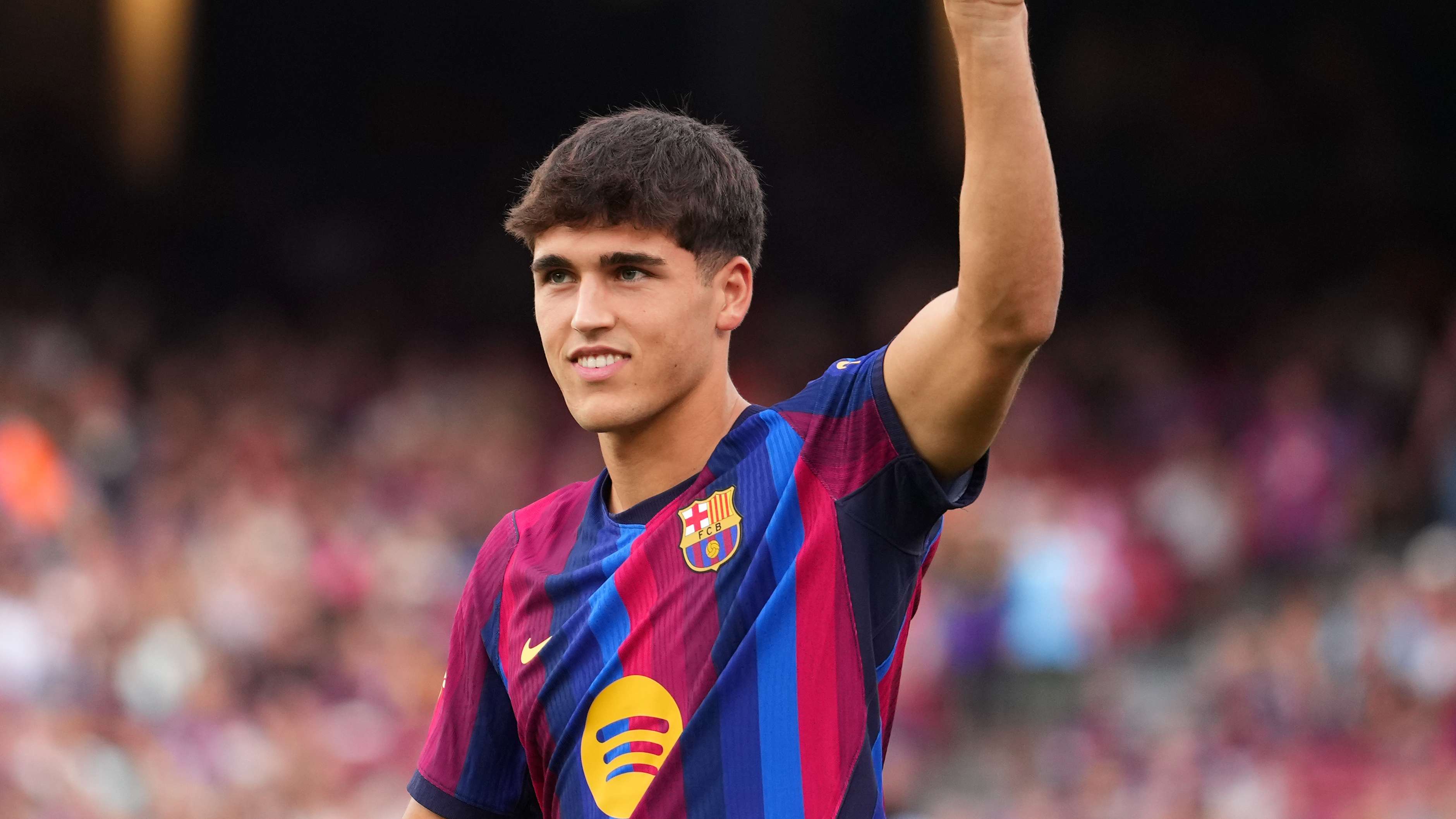

Pau Cubarsí Keeps Barcelona Calm Ahead of the Clásico—and Hopes for a Hug Afterward
Barcelona defender Pau Cubarsí has offered a glimpse into the mood around the club before one of football’s biggest fixtures, mixing teenage humour with the composure that has made him a key part of the team’s defence. In an interview with DAZN, the young centre-back discussed the build-up to the Clásico, his admiration for Lionel Messi, Barcelona’s tactical identity and the lessons the squad has taken from a recent defeat to Paris Saint-Germain.
Barcelona are preparing to host Real Madrid in a La Liga meeting that carries familiar pressure and significance. The Catalans enter the fixture near the top of the standings, while their eternal rivals are also chasing ground in the title race. With both sides seeking momentum, Cubarsí’s comments offer a useful perspective on how Barcelona intend to approach the contest—and why confidence, discipline and attention to detail could shape the result.
A Clásico wager built around a hug
The interview began on a light note when Cubarsí was asked what he hoped would happen after the match. His answer was simple: he wanted Barcelona to win, then share a warm embrace with the interviewer. The exchange quickly turned into a playful agreement: a hug for a Barcelona victory, a handshake if the game ended level, and a greeting from a distance if the hosts lost.
Cubarsí readily accepted the terms, making it clear which outcome he preferred. When the interviewer suggested practising the hug immediately, the defender joked about adding a pat on the back—provided Barcelona first earned the right to celebrate. The conversation then moved to the possibility of him scoring in the Clásico. Cubarsí said he would run over to celebrate, while the interviewer jokingly demanded a PlayStation as a goal bonus. The defender agreed, turning the exchange into a light-hearted promise.
The moment revealed a relaxed side to a player who is often judged by the seriousness of his defensive responsibilities. For a teenager facing the attention that comes with playing for Barcelona, humour can be a useful counterweight to expectation. It also reflected the confidence within the squad, although the real test will come on the pitch, where even small lapses can decide a Clásico.
Why Messi remains an inspiration at Barcelona
Cubarsí’s admiration for Messi was more reflective. He said that hearing the Argentine’s name brings back powerful memories for Barcelona supporters and football fans more broadly, because of everything Messi achieved for the club and the sport. The defender also expressed sadness that the legendary forward’s playing career is approaching its later years, saying he wishes Messi could continue playing indefinitely.
For Barcelona’s younger generation, Messi is more than a celebrated former teammate of the club’s history. His career represents the standards associated with the shirt: technical excellence, consistency and the ability to influence defining moments. Cubarsí acknowledged how fortunate he feels that Messi played for Barcelona, despite not sharing the same first-team era with him.
He also supported the idea of a tribute match at Camp Nou to celebrate Messi’s contribution. Such an occasion would offer supporters a chance to honour a player whose connection with Barcelona shaped an era, while giving younger fans a vivid reminder of the club’s recent history. A farewell or tribute event would be symbolic, but it would also underline the lasting bond between Messi, the stadium and the supporters.
Barcelona’s approach: confidence without complacency
Looking ahead to the Clásico, Cubarsí described the squad as calm and clear about its responsibilities. Barcelona understand their strengths and believe they are enjoying a positive spell, he said, while also recognising that there are details to improve. His comments point to a balance the team will need against Real Madrid: confidence in its football, without assuming that current form alone will be enough.
Barcelona’s plan, according to Cubarsí, is to impose their ideas, compete with intensity and make full use of home support. At Camp Nou, the crowd can help turn pressure into momentum, particularly when the team wins the ball high up the pitch. But the same aggressive approach can create space behind the defence, making communication and timing essential against opponents who are dangerous in transition.
The defender also addressed Barcelona’s response to losing to Paris Saint-Germain. He acknowledged that the result affected morale, but described the match as a close contest between two high-tempo sides. In his view, the outcome was determined by small details, while the performance still provided positive lessons. That perspective matters before a major league fixture: teams must learn from setbacks without allowing one result to undermine their wider identity.
The high defensive line and the importance of trust
Barcelona’s high defensive line remains one of the most recognisable features of their football. Cubarsí said the approach has been part of the coach’s philosophy from the beginning and that the players must commit to it. The aim is to press opponents aggressively in advanced areas, limit their time on the ball and prevent them from building attacks comfortably.
Such a system demands more than speed. Defenders need to read the game, step forward together and trust teammates to cover the spaces they leave behind. Cubarsí said that clear instructions and confidence in the players around him are vital to making the strategy work. Against Real Madrid, that collective understanding could be especially important, as one mistimed press or delayed recovery run may open a route to goal.
Clásico prediction: fine margins could decide the contest
Any football prediction for a Barcelona–Real Madrid match must account for the unpredictability of the rivalry. Barcelona’s home advantage and commitment to pressing could help them control long stretches, while Real Madrid’s ability to exploit space means the hosts will need to defend with precision. The battle may come down to which side handles transitions better and converts its best chances.
Cubarsí’s interview suggests Barcelona are approaching the game with belief, but not with the assumption that victory is guaranteed. Their high line, coordinated pressure and support from the crowd offer a clear route to a strong performance. If they execute those ideas and avoid the small errors he mentioned, the defender may have reason to claim the hug he is hoping for—and perhaps even make good on his promise to celebrate a goal.