
Real Madrid’s renewed confidence is changing the mood in the dressing room
Real Madrid’s recent improvement has brought more than better results. Inside the dressing room, players appear increasingly willing to accept unfamiliar roles, follow the coaching staff’s plans and focus on collective needs rather than individual preferences. A key reason, according to Spanish media reports, is the strong backing José Mourinho receives from club president Florentino Pérez and the board.
That institutional support may not show up on the scoreboard, but it can shape how a team responds to its coach. When players believe their manager has the authority and stability to lead, tactical instructions are more likely to be treated as part of a shared plan—not as temporary decisions that might soon be reversed. At Real Madrid, that confidence is becoming visible in the squad’s attitude and adaptability.
Valverde’s changing role offers a telling example
Fede Valverde’s approach to playing at right-back illustrates the shift. Last season, the midfielder voiced frustration about being used in defence, saying: “I was not born to play as a full-back.” His recent comments, however, struck a different tone.
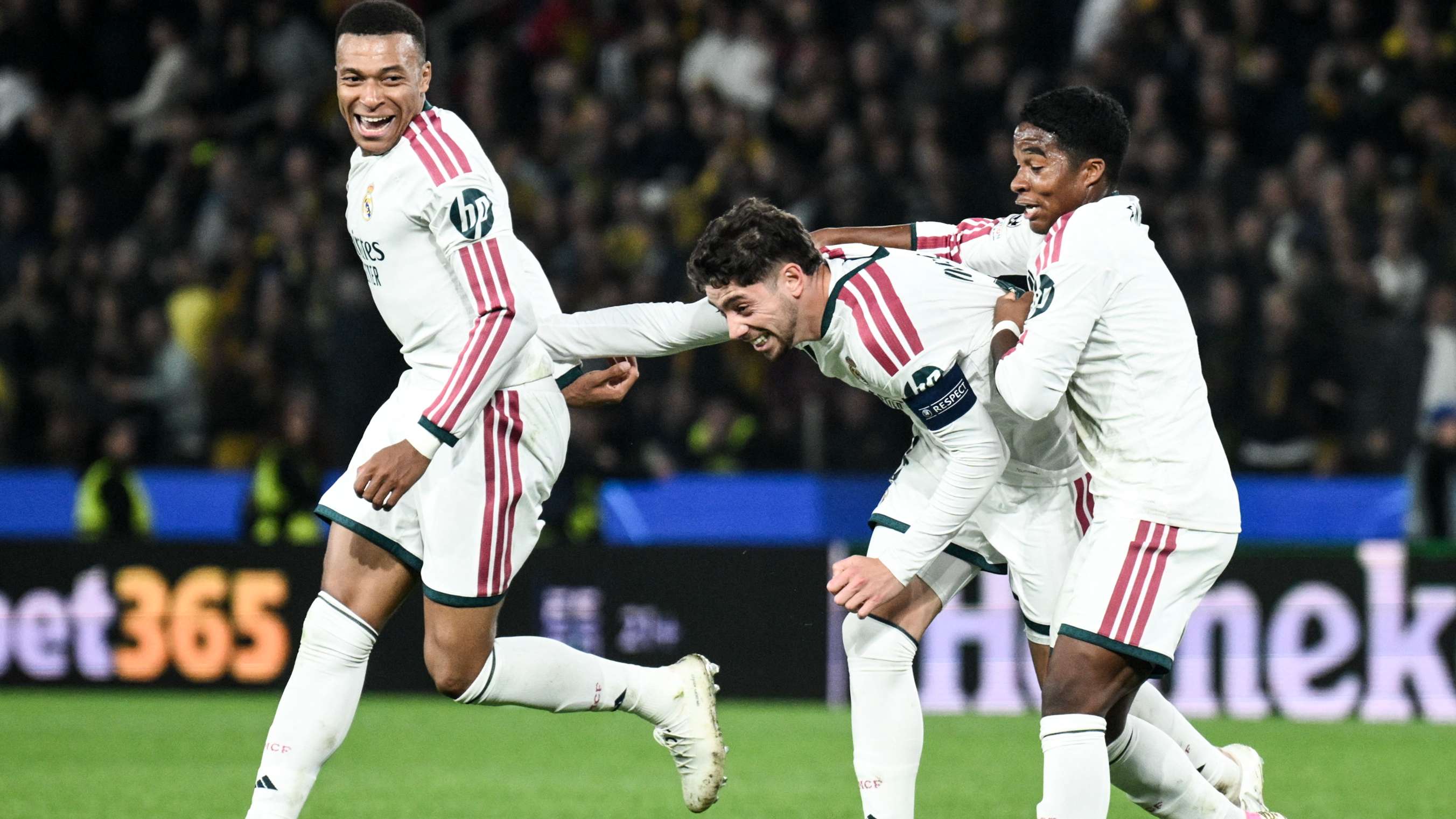
After Real Madrid’s 3–2 Champions League victory over AEK Athens, Valverde spoke positively about learning the demands of the position. He said he wanted to become the best midfielder he could be while also improving as a full-back alongside teammates Trent Alexander-Arnold and Denzel Dumfries. Rather than presenting the role as an inconvenience, he described it as an opportunity to develop.
Valverde explained that he watches the two defenders to understand their approach in both attack and defence. He also said he was happy that the coach trusted him in midfield or at full-back. The change in emphasis is significant: his comments suggest a player who sees tactical flexibility as a way to contribute, rather than as a departure from his preferred position.
Why versatility matters in modern football
Valverde’s situation reflects a broader trend in elite football. Coaches increasingly rely on players who can cover multiple positions, especially during demanding stretches when injuries, suspensions and fixture congestion limit their options. A midfielder with the stamina to defend wide areas can help a team adjust its shape without making a substitution or changing its overall game plan.
For Real Madrid, that flexibility could prove valuable in both domestic competition and Europe. A player comfortable switching roles can give the coach more tactical choices, help protect the defence and provide an extra runner in attack. The challenge is ensuring that versatility does not become a burden. Valverde’s willingness to learn may make the arrangement more effective, provided his workload and responsibilities remain clear.
Boardroom backing can strengthen a coach’s authority
Spanish radio presenter Manu Carreño has pointed to the relationship between Mourinho and the club’s leadership as a major factor behind the improved atmosphere. In his view, the players recognise that Mourinho has the board’s confidence, and that awareness affects how they respond to his decisions.
Carreño’s argument is that players can distinguish between a coach who has genuine institutional support and one whose position appears uncertain. When a manager is seen as secure, the squad may be more inclined to commit to his plans, even when those plans require difficult adjustments. That does not guarantee success, but it can create a clearer chain of responsibility and reduce the temptation to wait out a coach’s authority.
Journalist Antonio Romero has made a similar point. Mourinho’s ability to persuade and motivate the group matters, Romero said, but Pérez’s visible support also carries weight. People who regularly visit the Valdebebas training centre, he suggested, can see that the Portuguese coach has backing within the club. Romero contrasted that situation with the environment during Xabi Alonso’s time in charge, arguing that the same level of support was not as evident.
Recent disappointments may have encouraged a reset
Leadership is only part of the explanation. Real Madrid’s recent history has also helped create a more receptive dressing room. Two seasons without a major trophy, as described in the reports, increased pressure on the squad to reconsider how it worked and responded to setbacks.
Rather than focusing on blame after disappointing results, players appear more prepared to accept that improvement requires changes across the group. That includes listening to the coaching staff, taking on unfamiliar assignments and recognising that responsibility cannot fall on the manager alone. When several coaches have faced similar problems, players may begin to see that the solution also depends on their own consistency and commitment.
This does not mean that every tactical choice will be welcomed or that disagreements have disappeared. High-profile squads naturally contain strong personalities and competing ambitions. But a culture in which players are willing to discuss, learn and adapt can make those disagreements easier to manage—and help prevent them from becoming distractions.
What the shift could mean for Real Madrid’s season
The immediate test will be whether the change in attitude holds up across a demanding schedule. One Champions League win and a player’s encouraging comments are not enough to establish a lasting transformation. Real Madrid will need to show the same discipline when results are less favourable, when key players are unavailable and when tactical compromises become more difficult.
Still, the signs offer a useful indication of the club’s direction. Mourinho appears to have earned a level of trust that allows him to ask for flexibility, while the board’s support gives his decisions added authority. Players such as Valverde, meanwhile, are signalling that they are prepared to meet those demands.
For supporters following the team, this could become one of the season’s defining storylines. The match results will remain the clearest measure of progress, but the atmosphere behind them matters too. If Real Madrid’s players continue to accept their roles and execute the coach’s ideas, the team may become more adaptable and harder to disrupt. Any prediction about the club’s prospects should therefore consider not only its talent, but also whether this renewed trust can translate into consistent performances when the pressure rises.