
Al-Shabab’s 6-1 Rout of Al-Ahli Sparks a Night of Football Banter
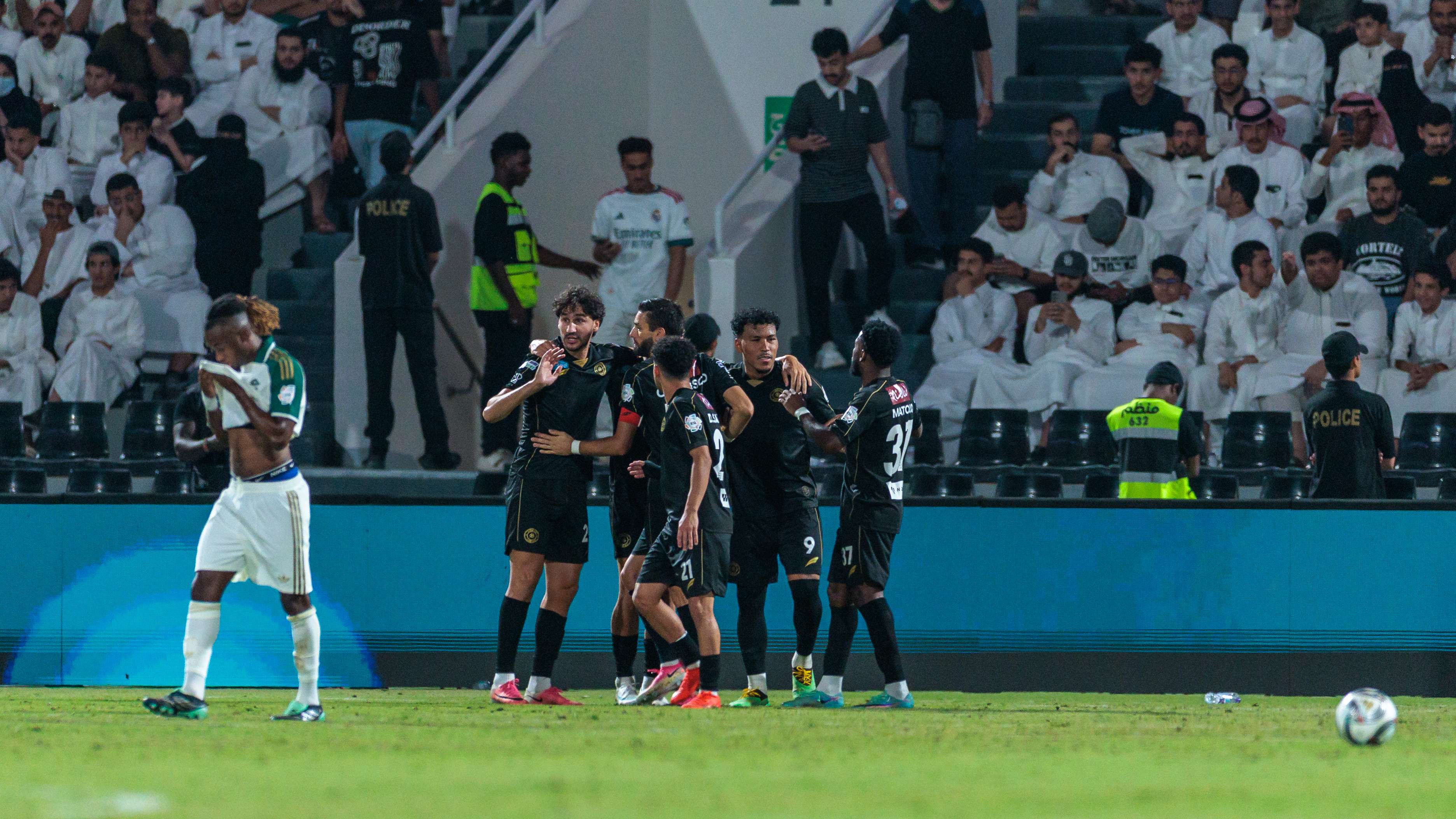
Al-Shabab’s remarkable 6-1 victory over Al-Ahli was more than a headline result in the Saudi Roshn League. The emphatic win at Riyadh’s SHG Arena delivered a major statement on the pitch—and set off a lively social-media exchange that kept supporters talking long after the final whistle.
The Lions overwhelmed Al-Ahli in Friday’s 12th-round fixture, turning a high-profile league meeting into one of the season’s most memorable scorelines. But while the players celebrated a decisive performance, Al-Shabab’s official account on X took charge of the post-match entertainment, publishing a stream of teasing posts aimed at their defeated rivals.
A Historic Scoreline, and a Familiar Reference
One of the earliest jabs arrived before the match had even ended. Al-Shabab shared an image of Al-Ahli supporters leaving the stadium and added the caption: “This time the withdrawal is early.” The remark referred to a controversial encounter between the clubs in 2008, when Al-Shabab beat Al-Ahli 6-1 in the quarter-finals of the Custodian of the Two Holy Mosques Cup.
That old result has remained part of the rivalry’s folklore. Al-Shabab’s post used the shared 6-1 scoreline to connect the latest triumph with a moment supporters still recall, turning a current league result into a fresh chapter in a long-running football story. The allusion was pointed, but it also showed how quickly historic meetings can shape the atmosphere around a modern fixture.
After the final whistle, the account congratulated its team with another playful message: “Congratulations on the easiest victory, O Lions.” The tone was celebratory and deliberately provocative, reflecting the confidence generated by a six-goal performance against a major opponent.
From Final Whistle to Social-Media Show
The online back-and-forth gathered pace as Al-Shabab continued to turn the result into a series of visual jokes. In one post, the club shared an image styled as a fictional book cover titled “How the Fortress Was Demolished: Between Withdrawal and Flight.” The caption, “The end of the novel,” again leaned on the clubs’ past while presenting the latest defeat as the story’s dramatic conclusion.
When Al-Ahli posted a notice confirming the final whistle without highlighting the score, Al-Shabab responded with an image of the 6-1 result and the words: “Say it and don’t be shy.” The exchange captured the familiar rhythm of football rivalry online: one club’s restrained post became an opening for the other to underline the result.
Another edited graphic placed Al-Shabab above Al-Ahli and included the line, “Go up top and the distance becomes clear to you.” The account also presented the goals as though they were part of a video game, joking that the difficulty setting was “Al-Ahli.” Across roughly ten posts, the club mixed match images, score graphics, historical references and celebration clips into a coordinated victory lap.
Six Goals That Shaped the Conversation
The online jokes worked because they were anchored in an unmistakable result. A 6-1 scoreline gave Al-Shabab plenty of material, while the scale of the win made the match difficult to frame as an ordinary league fixture. For Al-Ahli, the defeat was a tough setback; for the Lions, it was a chance to showcase both their attacking output and their ability to seize the spotlight.
Social media has become an increasingly visible part of football’s matchday experience. Clubs now communicate directly with supporters, and a well-timed post can extend a game’s reach far beyond the stadium. In this case, Al-Shabab’s humour reinforced the excitement of the victory, encouraged fan engagement and helped keep the result trending in the hours after the match.
The account even connected the celebrations to the club’s merchandise, using images and clips associated with the six goals to direct supporters toward the Al-Shabab store. That blend of banter, branding and match coverage reflects how clubs use digital platforms not only to report results, but also to build a distinct personality and deepen their relationship with fans.
Al-Shabab Turns Its Attention to the Next Test
Despite the scale of the celebration, the Lions were also quick to look ahead. The club described the Al-Ahli match as little more than a warm-up for its next league assignment against Abha, scheduled for Thursday in the 13th round. With Abha sitting near the bottom of the Saudi table, Al-Shabab’s remark carried another layer of confidence—but the team will still need to deliver on the pitch rather than rely on the previous scoreline.
The fixture list also includes a separate continental challenge, with Al-Shabab scheduled to face Al-Sadd in the AFC Champions League Elite on November 3, while Al-Ahli are set to meet Al-Batin in the league on November 5. Those upcoming games will quickly shift attention from online rivalry to the practical demands of maintaining form across competitions.
What the Result Means for the Roshn League
For supporters seeking a football prediction about what comes next, one result alone is not enough to guarantee a team’s future form. Al-Shabab’s attacking display will naturally raise expectations, but consistency, squad fitness and the quality of upcoming opponents will determine whether the Lions can turn a landmark win into sustained momentum. Al-Ahli, meanwhile, will be eager to respond and show that the heavy defeat was an exception rather than a sign of deeper problems.
Al-Shabab ended its social-media performance with a line borrowed from Al-Ahli supporters: “Only when Al-Shabab wins does the earth sleep happy.” It was a final flourish after a night dominated by six goals, old memories and sharp online humour. The score will remain the defining fact of the match, but the clubs’ digital exchange ensured that the rivalry—and the conversation around this Roshn League clash—continued well beyond the 90 minutes.