
Camp Nou Inspection Adds New Dimension to 2030 World Cup Final Race
A FIFA delegation’s visit to Spotify Camp Nou has brought fresh attention to the contest over which stadium will host the 2030 World Cup final. The Barcelona ground is one of three venues named in the joint hosting bid as a possible setting for the tournament’s showpiece match, alongside Madrid’s Santiago Bernabéu and Morocco’s planned Hassan II Stadium.
The inspection took place on Monday as part of FIFA’s wider assessment of the cities and stadiums proposed by the tournament’s host countries: Spain, Portugal and Morocco, with matches also planned in Uruguay, Argentina and Paraguay to mark the centenary of the first World Cup. While the visit does not determine the final venue, it gives FIFA officials an opportunity to examine the facilities and practical arrangements that could shape the decision.
What FIFA Evaluators Are Assessing
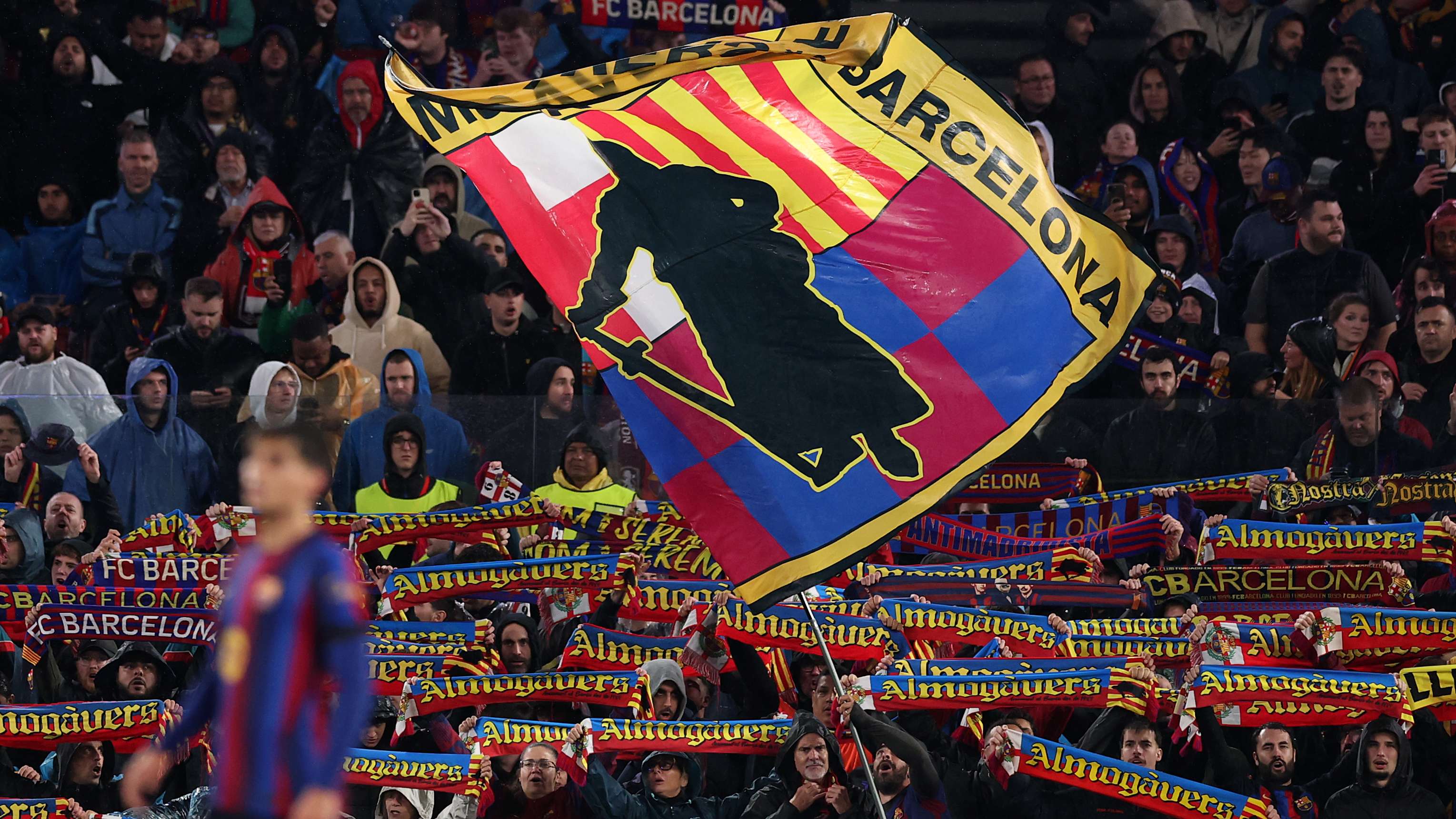
Representatives of the Spanish Football Federation and relevant public institutions joined the FIFA delegation at Camp Nou. Barcelona club members, led by president Joan Laporta, also took part in the visit, which included a review of the stadium and its surrounding infrastructure.
Choosing a World Cup venue involves far more than comparing seating capacity or the appearance of the pitch. FIFA’s assessment typically considers whether a stadium can meet tournament requirements for spectators, teams, media, sponsors and match officials. Access routes, public transport, communications systems, security arrangements and nearby accommodation all contribute to the overall picture.
Health services are another important part of the planning. Organisers must be able to provide suitable medical facilities for players and fans, while transport networks need to handle large crowds before and after matches. FIFA also considers training grounds, sometimes described as secondary stadiums, where national teams can prepare throughout the competition.
That broader evaluation matters because the World Cup is a large-scale logistical operation as well as a football tournament. A stadium may be impressive on its own, but its suitability also depends on how effectively it connects with hotels, airports, hospitals and other essential services.
Three Stadiums in the Final Venue Conversation
According to Spanish newspaper AS, the joint bid identifies Camp Nou, the Santiago Bernabéu and Hassan II Stadium as the three leading candidates for hosting the final. Spain has put forward two possible venues, while Morocco is seeking to bring the decisive match to its new stadium, which remains under construction.
Camp Nou is undergoing redevelopment, making the timing and completion of its renovation a central consideration. Once finished, the project is expected to give Barcelona a modernised venue capable of hosting major international events. FIFA’s inspection will therefore involve not only the stadium’s current condition but also the planned facilities and the confidence that construction and operational preparations can be completed on schedule.
The Santiago Bernabéu offers a different proposition. The Madrid stadium has undergone a major transformation in recent years and is already an established venue for high-profile football matches and events. Hassan II Stadium, meanwhile, represents Morocco’s ambition to create a landmark venue for the tournament. Its eventual capacity, design and readiness will be closely watched as construction progresses.
Each candidate has potential strengths, but the comparison is not simply a matter of which ground is largest or most visually striking. FIFA will need to weigh the stadiums’ readiness, surrounding infrastructure, host-city planning and the ability to deliver a smooth experience for teams and supporters.
Could the Inspection Affect Morocco’s Chances?
The Camp Nou visit may prompt questions about whether Spain’s two proposed venues could weaken Morocco’s bid for the final. However, an inspection alone should not be read as a sign that FIFA has favoured Barcelona, Madrid or any particular country. The delegation is gathering information to compare the options, and the final decision will rest with FIFA.
Morocco’s case will depend on the progress of Hassan II Stadium and the wider preparations around it. A new stadium can offer purpose-built facilities and the opportunity to design operations around a major tournament from the outset. At the same time, a project still under construction must demonstrate that it can be delivered on time and supported by reliable transport, accommodation and services.
Spain’s candidates bring their own advantages, including established football infrastructure and experience hosting major events. The competition is therefore likely to turn on a combination of readiness, logistics, stadium standards and the overall strength of each host city’s plan—not on the outcome of a single inspection.
Why the Final Venue Decision Matters
The World Cup final is the tournament’s most watched match and one of the biggest events in global sport. Hosting it can bring international attention, tourism and long-term investment, while also placing significant demands on the chosen city. The venue must be prepared to welcome a huge audience and deliver a secure, accessible and memorable event.
For fans, the stadium decision will influence more than the setting for the final. It may shape travel plans, ticket demand and the atmosphere surrounding the tournament’s closing days. For the host countries, the choice will also carry symbolic weight: each wants to demonstrate its ability to stage football’s premier competition at the highest level.
FIFA’s first major decisions will include determining how many cities will host matches and selecting the stadiums that form the tournament lineup. The inspection programme is part of that process, allowing officials to evaluate proposals on the ground rather than relying only on bid documents.
Inspection Tour Continues in Barcelona
The FIFA delegation’s work in Barcelona is set to continue on Tuesday with a visit to the RCDE Stadium. That stop will extend the assessment beyond Camp Nou and provide further insight into the city’s proposed role in the 2030 tournament.
For now, the final remains an open contest between Barcelona, Madrid and Morocco’s developing stadium project. The latest visit has increased attention on Camp Nou, but it does not settle the debate. Any prediction about the eventual venue should remain cautious until FIFA has completed its inspections, reviewed the wider bids and announced its decisions.