
Saudi Arabia’s Football Team Faces Injury Crisis at Gulf 27: An In-Depth Look at the Challenges and Future Predictions
The ongoing Gulf Cup 2023, also known as Gulf 27, has become a significant test for Saudi Arabia’s national football team. The tournament, held at the prestigious Al-Inma Stadium in Jeddah, has seen the “Al-Akhdar” (The Green), as the team is affectionately called, grapple with an alarming string of injuries that threaten their performance and prospects in this competitive regional contest.
Injuries Plague Saudi Arabia’s Campaign: A Closer Look at the Recent Setbacks
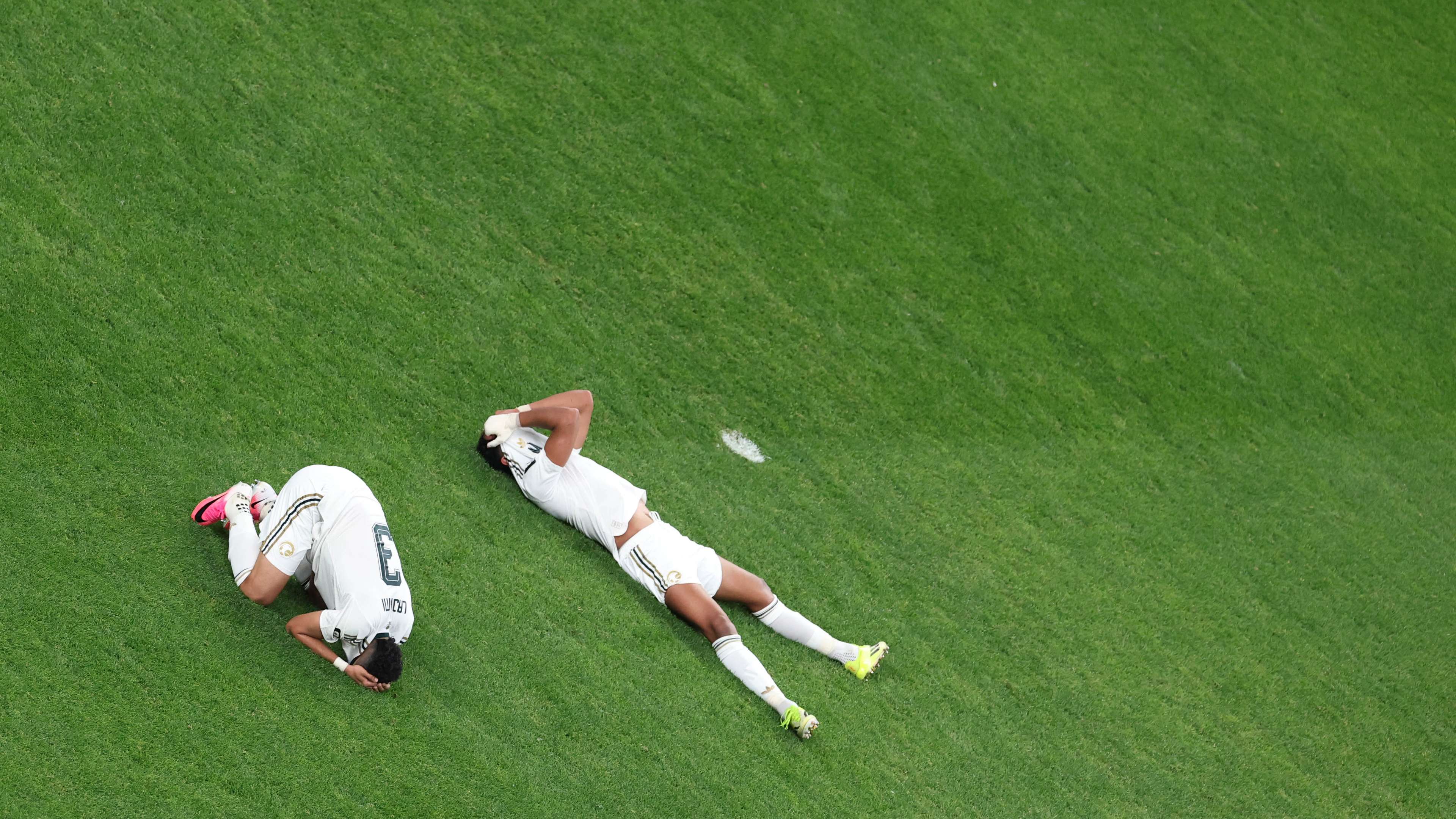
As Saudi Arabia navigates the challenging waters of the Gulf Cup group stage, their squad has been hit hard by injuries, casting doubts over their ability to advance further in the tournament. During their recent match against Oman, which took place on September 30th, at the Al-Inma Stadium, two key players had to leave the field prematurely due to injury, highlighting a growing concern among fans, coaches, and analysts alike.
Midfielder Alaa Al Haji was the first to exit the game, succumbing to injury at the end of the first half. His departure was a significant blow, as Al Haji has been a vital part of the team’s midfield structure, known for his versatility and work rate. He was replaced by Ziyad Al-Johani, who stepped in to fill the void. However, the injury woes did not end there.
Midway through the second half, Hassan Kadesh, a dependable defender, was forced off after suffering a severe collision during a midfield challenge. The crunching tackle, which appeared to cause Kadesh considerable pain, prompted the team’s Greek coach, Georgios Donis, to make an immediate substitution, bringing Jihad Zikri into the game. The sequence of injuries not only disrupted Saudi Arabia’s tactical setup but also raised concerns about the physical toll the tournament is taking on the players.
The Injury Toll Continues: Key Players Out of Action
The injury crisis extends beyond just the recent Oman match. Saudi Arabia’s goalkeeper Nawaf Al-Aqidi was the last high-profile casualty, hobbling off in the previous match against Kuwait. His injury was severe enough to rule him out of the remainder of the Gulf Cup, depriving the team of their experienced shot-stopper at a critical juncture.
Adding to the squad’s woes, prominent forward Mohammed Al-Qahtani was unable to participate in the Oman clash altogether. The veteran striker had been sidelined from team training in the days leading up to the match due to persistent abdominal pains, which prevented him from contributing on the pitch. His absence has been felt keenly by the team’s attacking options, which have struggled to find consistency in his absence.
Implications for Saudi Arabia’s Gulf Cup Journey and Prediction Analysis
With these injuries mounting, Saudi Arabia finds itself in a precarious position as they approach their third group stage fixture, scheduled against Iraq next Tuesday at the same venue. The match is poised to be a pivotal encounter that could determine whether the Green will advance to the knockout rounds or face an early exit from the tournament.
Experts and football analysts are now turning their focus to potential predictions for Saudi Arabia’s future performance, considering the current injury situation. The team’s depth, tactical adaptability, and the resilience of their remaining squad members will be tested to the fullest.
Analyzing the Impact of Injuries on the Team’s Strategy and Future Predictions
The injury crisis raises critical questions about the team’s tactical flexibility. Coach Georgios Donis now faces the challenge of adjusting formations and game plans to compensate for the absence of key players such as Al Haji, Kadesh, and Al-Aqidi. This scenario underscores the importance of squad depth in regional tournaments, where injuries can significantly alter predictions and outcomes.
Looking ahead, the prediction for Saudi Arabia’s performance hinges on multiple factors:
- Player Recovery: The speed and effectiveness of the medical staff’s efforts to rehabilitate injured players will determine their availability for the upcoming match against Iraq.
- Squad Resilience: The ability of substitute players to step up and perform under pressure is crucial. Ziyad Al-Johani, Jihad Zikri, and other fringe players may play decisive roles in the next game.
- Tactical Adjustments: How well the coaching staff adapts their game plan to mitigate the loss of key personnel will be a determining factor in their subsequent prediction.
The Broader Context: Injury Trends in Football and Regional Competitions
Saudi Arabia’s injury woes are not isolated; they reflect a broader trend seen in football tournaments worldwide, where congested schedules, intense physicality, and high-stakes environments contribute to player fatigue and injury risk. In regional competitions like the Gulf Cup, where teams often have limited squad depth compared to global tournaments, injuries can have amplified consequences.
This situation underscores the importance of robust medical support, strategic player rotation, and injury prevention protocols—elements that could influence predictions for future matches and overall tournament success.
Conclusion: Navigating the Challenges Ahead with Optimism and Strategic Insight
As Saudi Arabia prepares for their decisive clash against Iraq, the team’s injury situation presents both a challenge and an opportunity. While setbacks like these test the resilience and depth of any football team, they also serve as catalysts for tactical innovation and mental toughness. The predictions for the Green’s journey in Gulf 27 will depend heavily on how effectively their coaching staff manages these hurdles and how well their remaining squad can rise to the occasion.
One thing remains certain: the coming matches will be a true test of the Green’s footballing spirit, strategic acumen, and capacity to adapt under pressure. Fans and analysts alike will be watching eagerly to see if Saudi Arabia can turn their injury crisis into a catalyst for resilience and eventual success in this regional tournament.