
Morocco-Ghana Friendly Match Cancelled: Inside the Reasons and Future Implications for African Football
In a surprising turn of events that has sent ripples through the African football community, recent reports have confirmed that the highly anticipated friendly match between Morocco and Ghana has been officially called off. This development not only impacts the preparations of both national teams but also raises questions about the underlying issues affecting the Black Stars and the broader landscape of African football.
Breaking News: The Cancellation of the Morocco vs. Ghana Friendly
According to credible sources from Moroccan football circles, the match scheduled for October 8, 2024, in Morocco has been canceled. Moroccan sports news outlet Hesport reported that the decision was communicated by the Ghana Football Association (GFA) through their communications director, Henry Asante. The GFA confirmed they had notified their Moroccan counterparts about their inability to participate in the friendly, citing internal issues within the Ghanaian camp as the primary cause.
While friendly matches are often viewed as opportunities for teams to fine-tune their squads, boost morale, and build international experience, this cancellation highlights deeper challenges faced by Ghana’s national team, commonly known as the Black Stars. The disruption underscores the volatile nature of football administration and player welfare concerns that sometimes overshadow the sport’s competitive spirit.
Internal Turmoil and Player Rebellion: The Roots of the Cancellation
Sources close to Ghana’s football federation reveal that the primary reason for the match’s cancellation stems from internal unrest within the Black Stars camp. Reports indicate that several players have rebelled over outstanding financial dues, which have reportedly accumulated over the recent months. This financial discontent has led to a significant player revolt, with some refusing to travel to Morocco for the friendly fixture.
Such unrest is not entirely unprecedented in African football. Historically, issues related to delayed salaries, bonuses, and lack of transparency in football administration have fueled player dissatisfaction across the continent. In Ghana’s case, the rebel actions reflect frustration with the management’s handling of financial matters, which threatens to undermine the unity and focus of the national team as they prepare for upcoming qualifiers and tournaments.
Moroccan Football Federation Reacts and Moves Forward
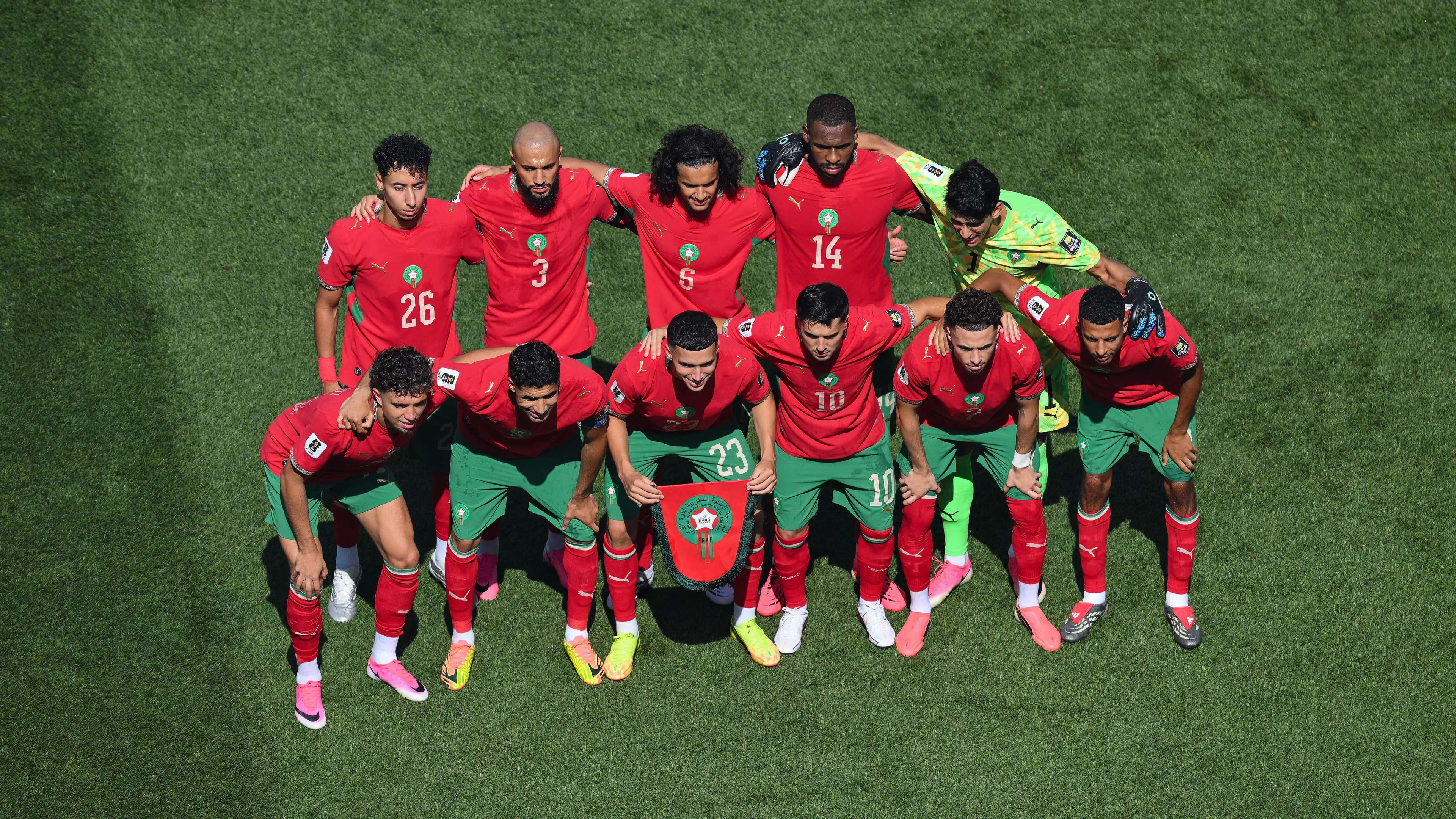
Faced with the sudden void left by Ghana’s withdrawal, the Moroccan Football Federation (FRMF) acted swiftly to preserve their preparations. Understanding the importance of maintaining a busy and competitive international schedule, Morocco’s coaching staff, led by head coach Mohamed Ouahbi, quickly arranged an alternative friendly match. This proactive move aims to ensure that the team remains in competitive shape ahead of upcoming qualifiers for the 2027 Africa Cup of Nations (AFCON).
Morocco’s recent performances after the 2022 FIFA World Cup have been promising. The Atlas Lions secured consecutive 2-0 victories in their recent qualifiers against Gabon and Lesotho. These results demonstrate the team’s growing strength and tactical maturity under Ouahbi’s leadership. The upcoming friendly against Ghana, had it gone ahead, was viewed as an essential step in their preparations for the next AFCON cycle, and the cancellation may now shift their focus to other international friendlies or training camps.
The Broader Context: African Football’s Challenges and Opportunities
The cancellation of the Morocco-Ghana friendly is more than just a logistical hiccup; it highlights ongoing challenges faced by African football federations. Financial instability, administrative inefficiencies, and player unrest have been persistent issues across the continent, often affecting the performance and stability of national teams.
Nevertheless, these setbacks also present opportunities for reform and growth. Both Morocco and Ghana are football powerhouses in Africa, with passionate fan bases and rich football histories. The current situation underscores the need for improved governance, transparency, and financial management within African football federations to prevent such disruptions in the future.
What’s Next for Morocco and Ghana?
Looking ahead, Morocco will continue their international campaign with a focus on maintaining momentum and building a cohesive squad. The team’s recent successes have positioned them as one of Africa’s rising powers on the international stage. The friendly matches serve as critical benchmarks for assessing player form, tactical integration, and team chemistry before major tournaments.
For Ghana, the situation remains delicate. The internal unrest signals a need for urgent resolution within the GFA to restore players’ confidence and unity. The Black Stars are expected to regroup and address the underlying issues, with potential internal reforms and renewed dialogue between players and management. Their next steps will be crucial in rebuilding trust and ensuring readiness for upcoming qualifiers and international competitions.
Implications for Football Prediction and Future Match Planning
For football enthusiasts and sports analysts, this cancellation introduces new variables into match prediction models. The absence of Ghana’s team from international friendlies may influence their performance in upcoming qualifiers, as disrupted preparations could impact team cohesion and tactical execution. Conversely, Morocco’s ability to adapt quickly and schedule alternative fixtures demonstrates resilience, which could be a positive indicator in their future predictions.
Furthermore, this situation emphasizes the importance of comprehensive planning and contingency measures in football scheduling. As teams navigate internal challenges, match organizers and federations must develop flexible strategies to ensure the continuity of international fixtures, which are vital for player development, rankings, and global visibility.
Conclusion: A Turning Point in African Football Dynamics
The cancellation of the Morocco-Ghana friendly is a stark reminder of the complex interplay between administrative stability, player welfare, and competitive readiness in African football. While it exposes existing vulnerabilities, it also opens doors for meaningful reforms and stronger governance structures. Both Morocco and Ghana remain key players in African football’s future, and how they address these internal issues will shape their trajectories in upcoming tournaments.
As fans, analysts, and stakeholders look ahead, the focus will be on strengthening the foundations of African football to ensure that future international fixtures are not only competitive but also reflective of the continent’s rich footballing talent and potential. The road to 2027 AFCON and beyond is filled with challenges, but with resilience and strategic reforms, African teams can continue to shine on the global stage.